
Last updated September 10, 2026
Level 1 sweep and inspection to the NFPA 211 annual standard - flue, crown, cap, and flashing checked and photographed
Chimney sweep logs do not sweep chimneys. They loosen some creosote - which then falls where a brush and vacuum still have to collect it.
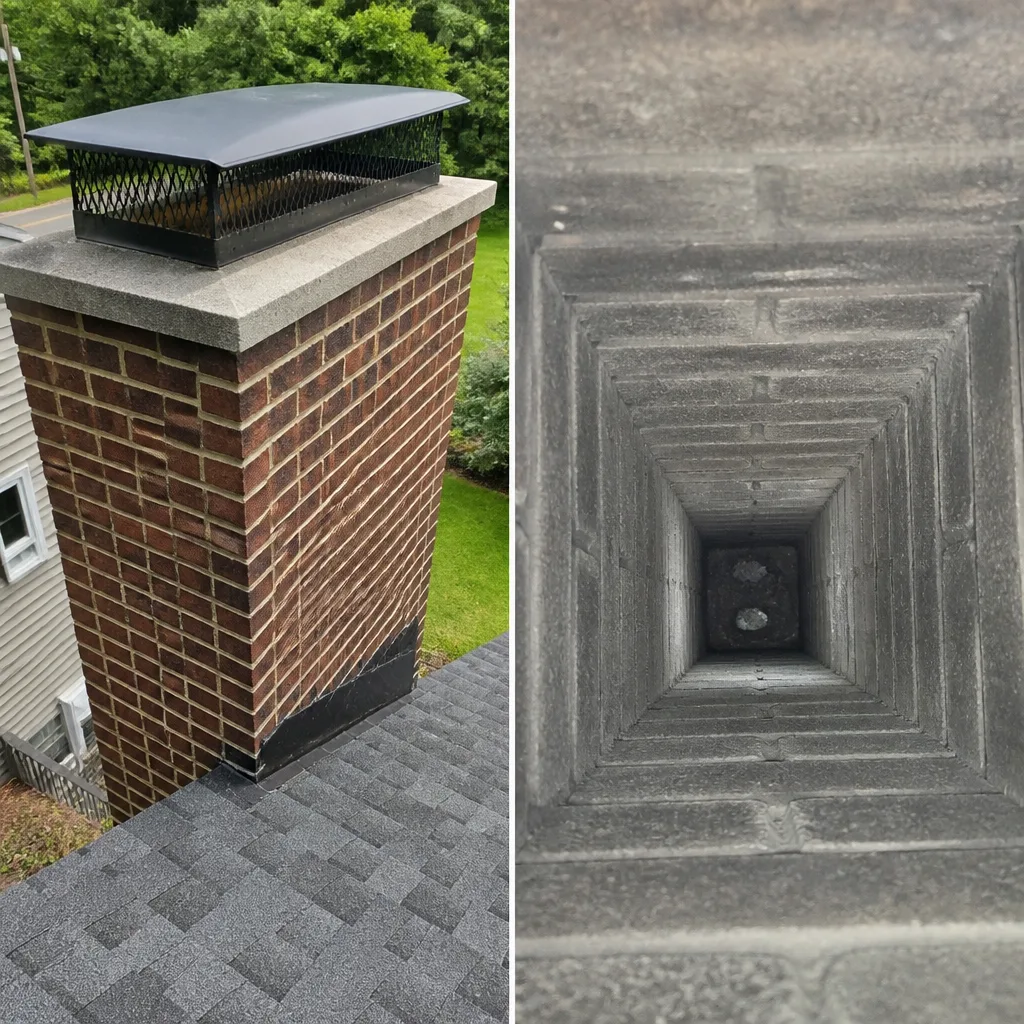
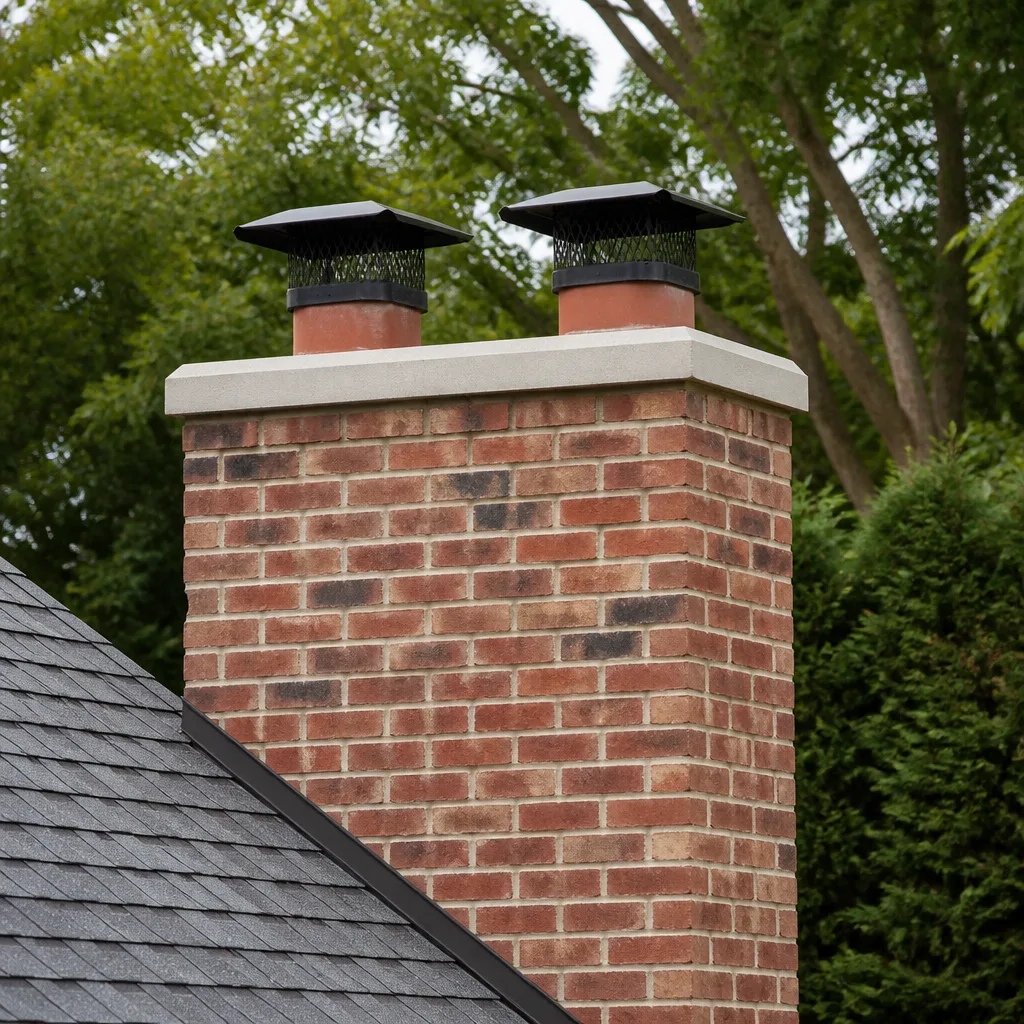
Flue relining
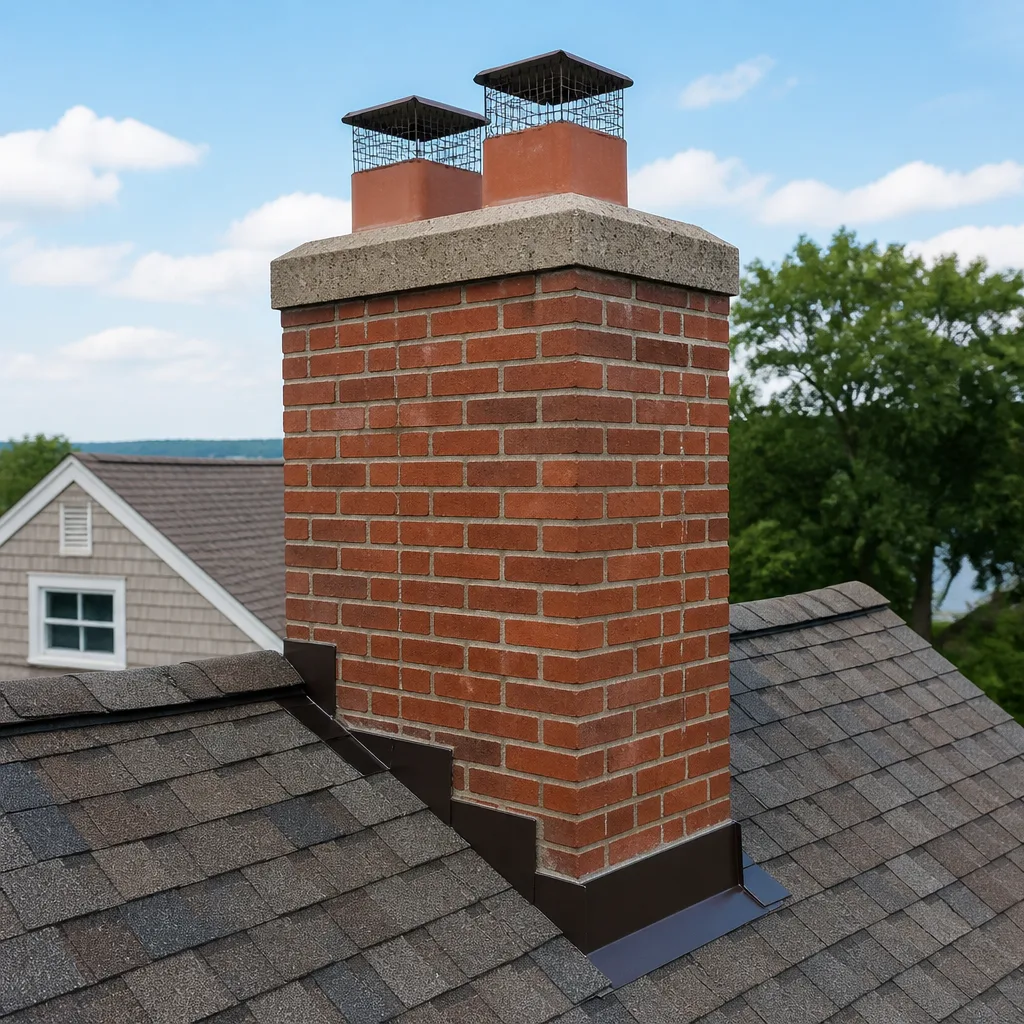
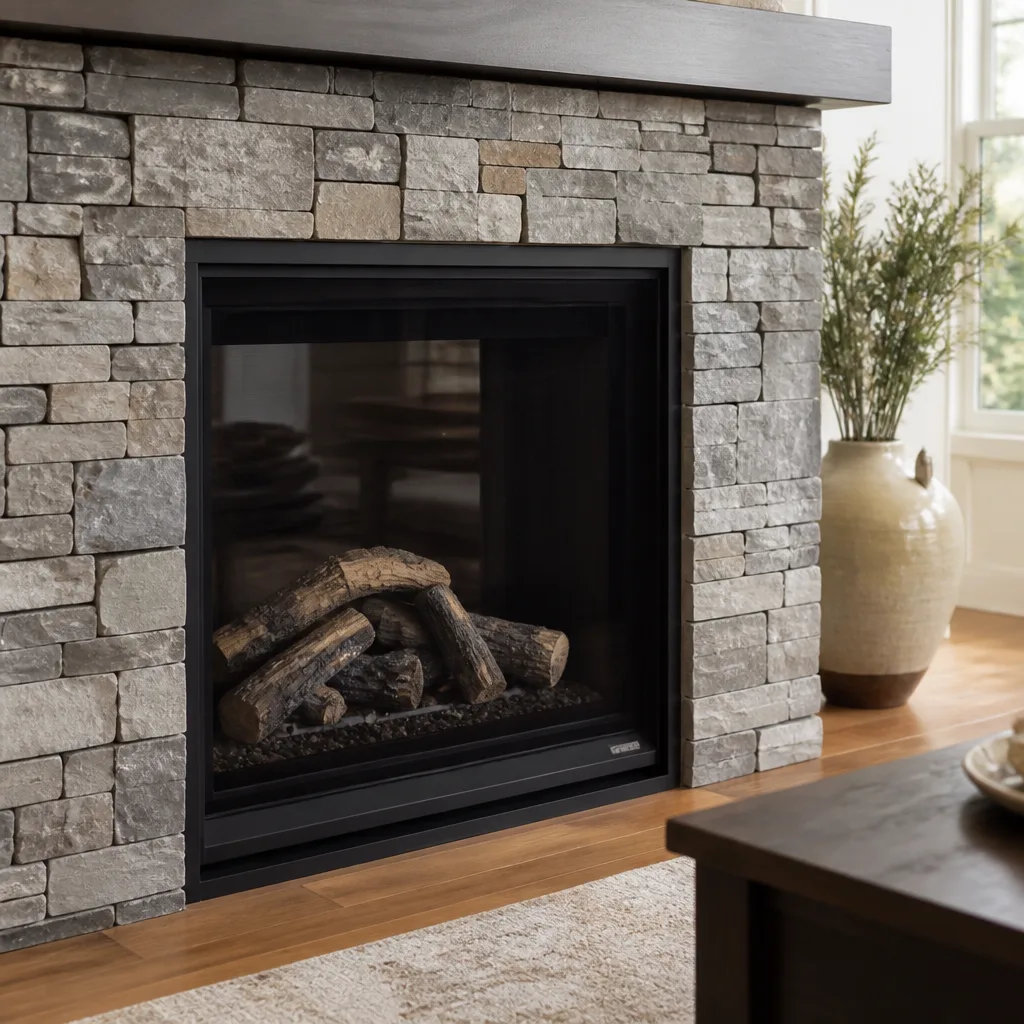
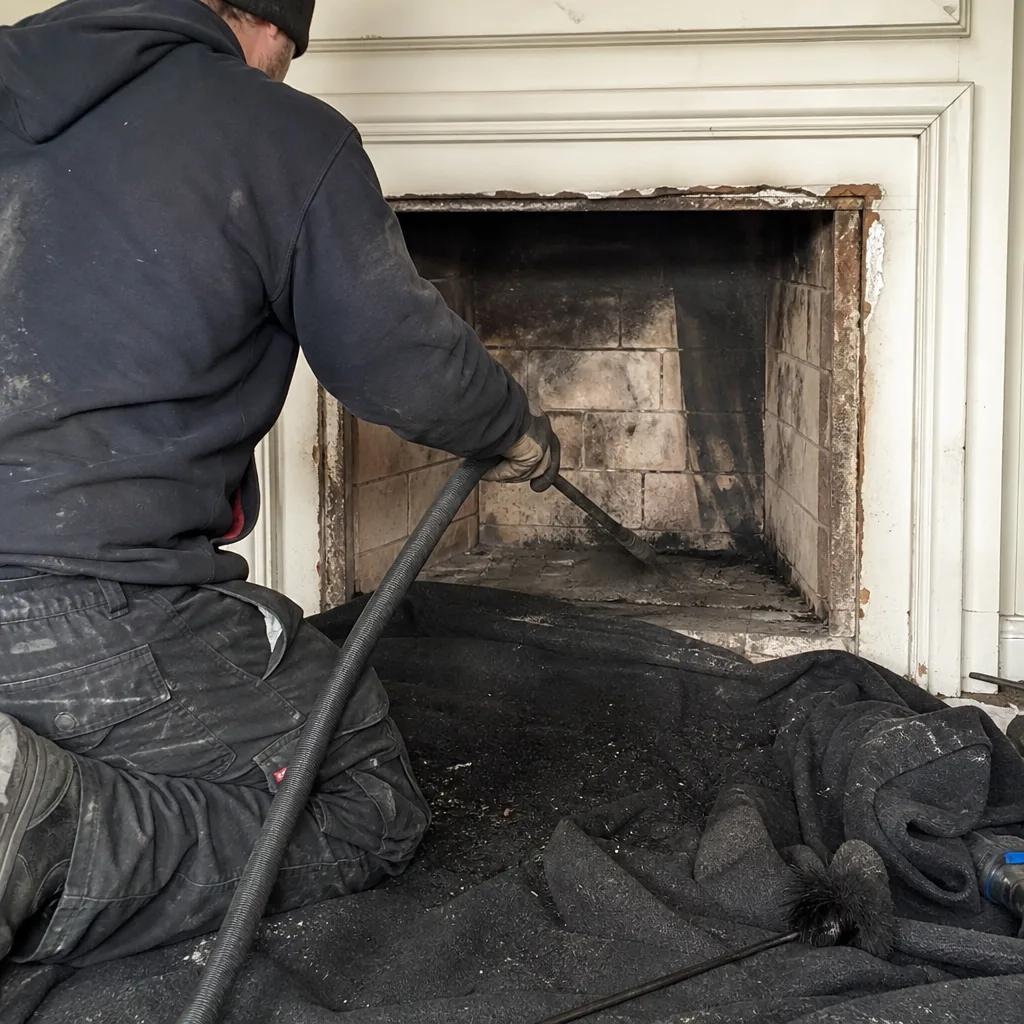 Before
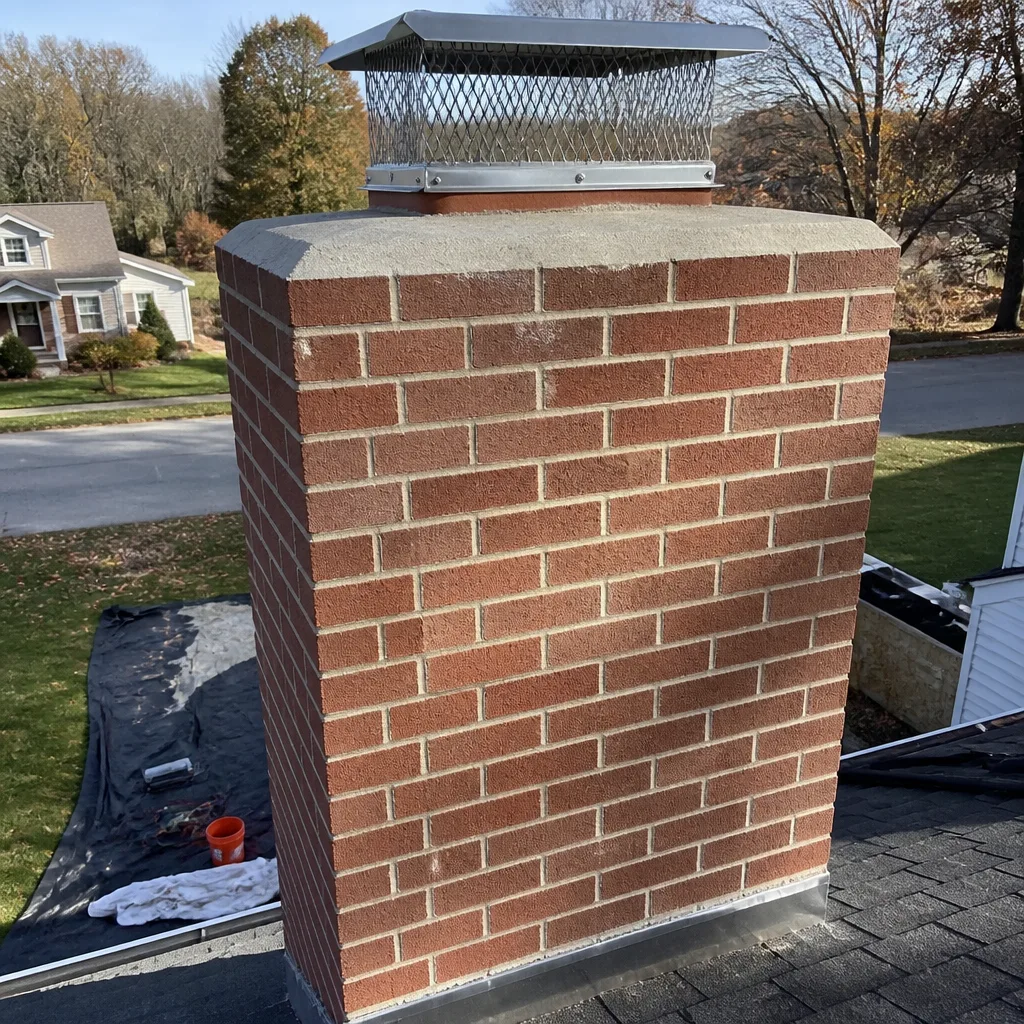 After
After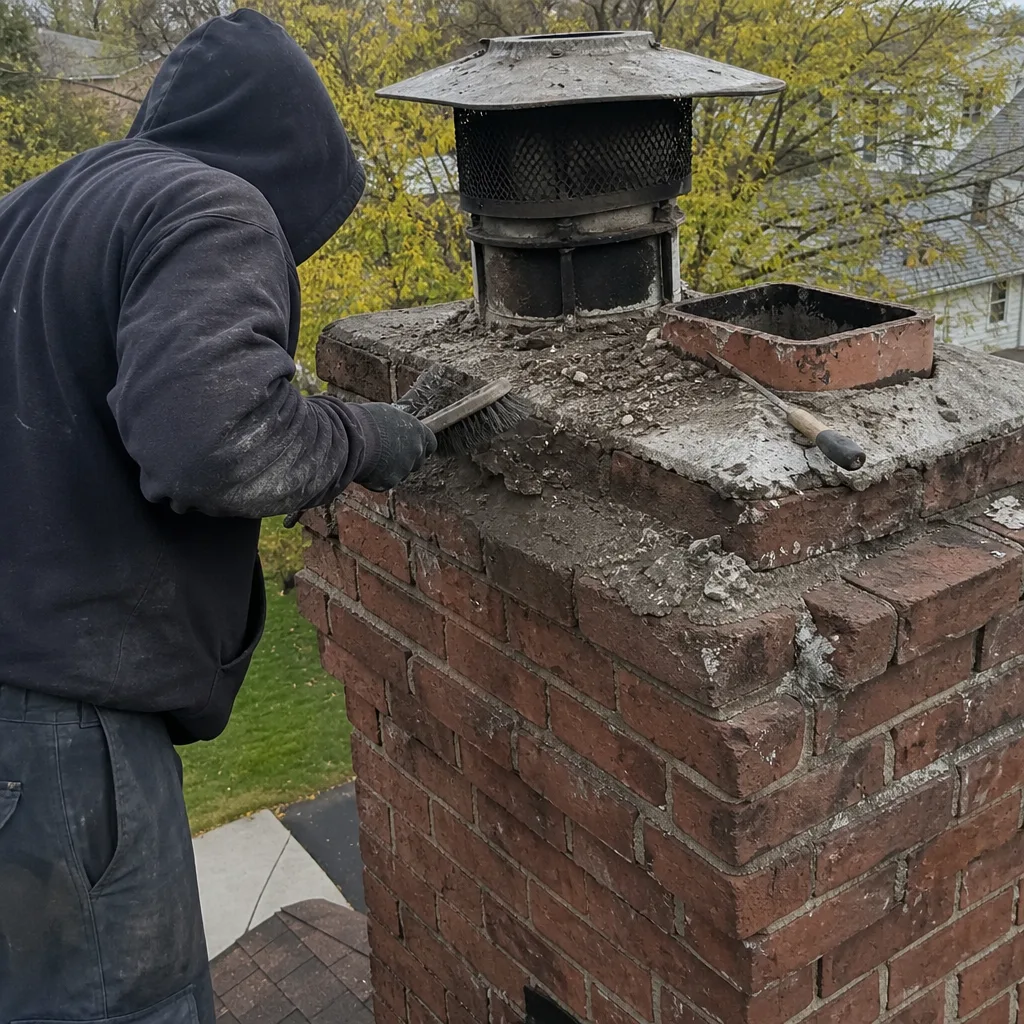 Before
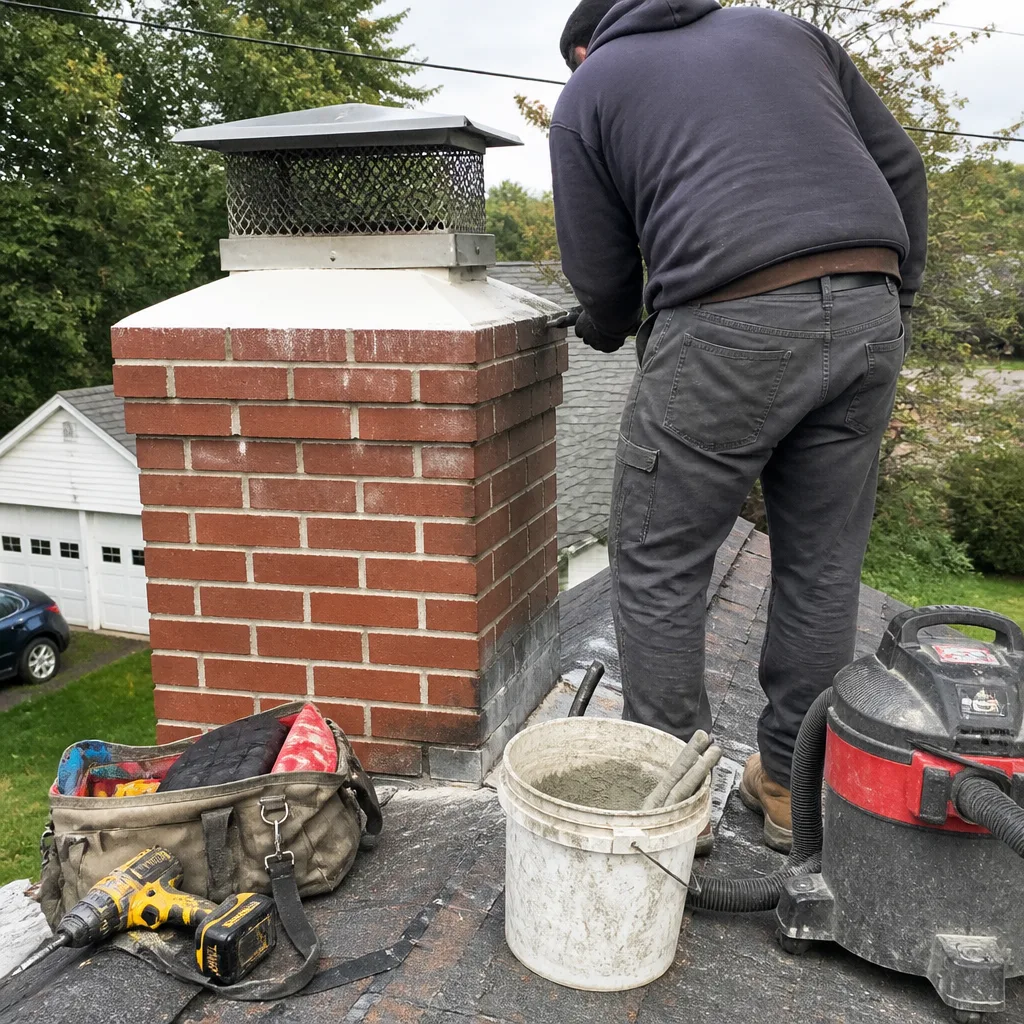 After
AfterSeasonal Chimney Cleaning Care for Pottstown: Year-Round Homeowner’s Guide
The busiest time for chimney fires in Pottstown isn’t the coldest week of January. It’s the first cold snap in October, when homeowners light a fire in a chimney that’s been sitting idle for eight months without a single inspection. In our 42 years serving Montgomery County, we’ve seen the pattern repeat every autumn: creosote that hardened through a humid summer, caps that blew off in March wind, and crowns that cracked during February’s freeze-thaw cycle. This guide walks through what your chimney actually needs each season in Pottstown’s climate, month by month, so you’re never caught unprepared. For more guides & resources, visit our blog.
Quick Answer
Chimney cleaning and care in Pottstown should follow a four-season rhythm: spring sweeping to remove creosote before summer heat bakes it harder, summer cap and crown inspection before fall rains, pre-season Level-2 inspection by September to avoid October appointment backlogs, and winter monitoring for draft changes and odor shifts. Most Pottstown homeowners who schedule spring cleaning and fall inspection avoid mid-winter emergencies entirely.
Table of Contents
- Spring: The Hidden Window for Deep Cleaning
- Summer: What Humidity Does Inside Your Flue
- Fall: The Pre-Season Checklist That Prevents October Panic
- Winter: Reading Your Chimney While It Works
- Pottstown’s Freeze-Thaw Cycle and Masonry Timing
- What Seasonal Chimney Care Costs in Pottstown
- Building Your Annual Chimney Calendar
Spring: The Hidden Window for Deep Cleaning
Most Pottstown homeowners think chimney sweeping is an autumn chore. We see it differently. The weeks after your last fire are the best time to clean, and waiting until fall costs you more than convenience.
Here’s why timing matters. Fresh creosote, the flaky residue from wood burning, is relatively soft. Leave it through a Pottstown summer - where humidity regularly hits 80% and attic temperatures can reach 120 degrees - and that residue transforms. Moisture plus heat bakes Stage 1 creosote into Stage 2: a tar-like, highly flammable glaze that requires more aggressive removal. In some cases, we’ve had to use rotary cleaning systems on chimneys that would have needed only standard brushes had they been swept in April.
Spring cleaning also reveals winter damage while it’s fresh. The freeze-thaw cycles of a typical Pottstown winter - temperatures swinging from single digits to the 40s in the span of a week - stress masonry at every joint. A March inspection catches crown cracks, spalling brick, and deteriorated mortar before spring rains drive water deeper. Water that enters in April has all summer to expand, contract, and widen gaps. By October, a hairline crack becomes a structural concern.
What we recommend for Pottstown homes each spring:
- Schedule a full sweep within two weeks of your final fire, before creosote hardens
- Request camera documentation of the flue interior - photos you can see, with a plain-English verdict on whether deposits are Stage 1 or Stage 2
- Inspect the firebox for shifted bricks or deteriorated refractory panels
- Check the damper operation after a season of heavy use
- Exterior walk-around for missing or damaged flashing, especially on homes north of High Street where older rooflines complicate drainage
Neighborhoods like Pottsgrove and Ringing Rocks see heavier spring pollen and organic debris. If your cap came loose over winter, you’ll find nests by April. We’ve removed everything from starling colonies to squirrel caches from chimneys in the North End. Spring removal is simpler - the animals are less established, and you’re not racing against first frost.
The Chimney Cleaning & Sweep in Pottstown page details our process, but the seasonal point is this: a $200 spring sweep often prevents a $1,200 fall repair. That’s not salesmanship. That’s 42 years of watching the calendar work against homeowners who wait.
Summer: What Humidity Does Inside Your Flue
July in Pottstown brings hazy, hot days that feel like the air itself has weight. That humidity doesn’t stop at your roofline. It enters chimneys through uncapped flues, through cracked crowns, through deteriorated flashing. And once inside, it starts a quiet cycle of damage that accelerates every season it goes unaddressed.
An uncapped flue in Pottstown’s summer becomes a condensation chamber. Warm, moist air rises from the house, meets cooler masonry near the top, and deposits moisture on the flue walls. That moisture reactivates acidic residues left from winter burning. Over a single summer, we’ve documented flue tiles showing measurable surface degradation - pitting and scaling that wasn’t present in spring. Left through multiple seasons, the flue liner, your chimney’s critical safety barrier, loses integrity.
Summer is when cap and crown condition matters most. The crown is the concrete slab that seals the chimney top; the cap sits above it, keeping rain and animals out. In Pottstown’s climate, crown cracks that developed in winter widen dramatically through summer’s wet-dry cycles. A compromised crown funnels water directly onto the chimney’s most vulnerable point. We’ve rebuilt crowns in West Pottsgrove where summer storms had been pouring into the structure for three years, rotting adjacent framing and staining interior plaster.
What to watch for during summer months:
- Musty odors from the fireplace on humid days - this indicates moisture penetration, not normal summer air
- Visible staining on interior walls near the chimney chase, especially in Cape Cod-style homes common in the East End
- Green or black discoloration on exterior masonry below the crown - algae and mildew need sustained moisture
- Corrosion on the damper or firebox components, visible during a flashlight inspection
- Evidence of animal entry: chirping, scratching, or debris falling into the firebox
Summer is also the optimal window for major repairs. Tuckpointing, crown rebuilding, and liner replacement require dry conditions and cured materials. A crown poured in July has weeks to set before fall rains. Mortar joints repointed in August cure properly, unlike October work that faces imminent freeze. If spring inspection revealed masonry concerns, summer is when you schedule the fix - not when you’re lighting fires and need the system operational.
Our technicians use professional-grade materials from Copperfield and Gelco for cap and crown work - no builder-grade substitutes that crack in the second season. The difference shows in year five, when a proper crown still sheds water and a cheap one has failed again.
Fall: The Pre-Season Checklist That Prevents October Panic
Every September, our phones at Hearthstone Chimney Co. shift from steady to relentless. By the second week of October, when Pottstown’s first real cold snap hits, appointment lead times stretch to three weeks. Homeowners who waited discover what we know: there aren’t enough qualified sweeps in Montgomery County to handle every chimney that suddenly “needs” inspection the same weekend temperatures drop.
The Chimney Cleaning & Sweep Maintenance Checklist for Pottstown Homeowners isn’t complicated. It’s simply timed correctly.
- Schedule by Labor Day. This guarantees appointment availability and gives time for any needed repairs before burning season.
- Demand a Level-2 camera inspection. Visual-only inspections from the bottom miss what the camera reveals: flue tile cracks, creosote glazing, and obstruction evidence that determine whether your chimney is safe to use.
- Verify cap and crown integrity. Summer’s test is complete; now you confirm the results.
- Test all components under realistic conditions. The damper should open fully and seat properly. Glass doors should seal. Gaskets on woodstove connections should be intact.
- Check fuel supply and storage. Seasoned hardwood, not last spring’s green cut, burns cleaner and deposits less creosote.
Pottstown’s specific fall considerations matter. The borough’s older housing stock - Victorian twins north of High Street, stone farmhouses in the surrounding townships - often has unlined chimneys or original clay liners now exceeding 80 years. These systems require more careful evaluation than modern construction, and Chimney Cleaning Permits, Codes & Inspections in PA: What You Need to Know explains the regulatory framework. We’ve found original liners in North End homes that appeared sound from below but showed multiple fractures in camera inspection, each a potential path for combustion gases or sparks.
Fall is also when homeowners ask about supplemental heating. Pellet stoves, ventless gas logs, and wood-burning inserts each impose different demands on the chimney system. An insert installed without proper liner sizing creates drafting problems that manifest as smoke spillage or carbon monoxide risk. We evaluate these configurations specifically, matching the appliance to the flue with DuraFlex stainless liners where appropriate.
The October fire statistic bears repeating: chimney fires spike not in deep winter, but in the first cold snap, when homeowners light fires in systems that haven’t been inspected since the prior spring or longer. Creosote that accumulated over multiple seasons ignites at approximately 451 degrees - a temperature easily reached when a cold flue meets a roaring fire. In Pottstown’s dense neighborhoods, where homes sit close and rooflines interconnect, a chimney fire doesn’t stay isolated. We’ve responded to calls where sparks from a neighboring chimney fire ignited adjacent roofing.
Schedule before you’re cold. That’s not pressure - it’s the calendar every sweep in Pottstown works from.
Winter: Reading Your Chimney While It Works
Once burning season begins, your chimney tells you what’s happening if you know what to observe. Winter monitoring isn’t replacement for professional inspection; it’s the early warning system that prevents mid-season emergencies.
Draft problems appear first as subtle changes. A fire that previously drew well now smokes slightly at startup. Smoke odor lingers in the room rather than rising immediately. The fireplace “puffs” when wind blows from a particular direction. Each of these indicates altered airflow, and in Pottstown’s winter, the causes are specific.
Cold chimney syndrome hits hard in January when temperatures drop below 20 degrees for extended periods. The entire masonry mass chills, and the flue won’t establish upward draft until warmed. The traditional solution - a newspaper torch held up the flue - works for minor cases. Persistent problems suggest oversized flue, exterior chimney exposure, or negative pressure from modern weatherization that seals homes tighter than their chimneys were designed for. We’ve resolved chronic cold chimney issues in Pottstown’s post-war ranch homes with HeatShield flue resurfacing that smooths interior surfaces and improves gas flow dynamics.
Odor changes demand attention. A sharp, acrid smell during active burning suggests creosote ignition - not yet a full chimney fire, but the precursor. A musty, damp smell when the fire is out indicates moisture entry that’s accelerated by the temperature differential between heated flue and cold exterior. A chemical or sulfurous odor from gas appliances signals combustion problems requiring immediate professional evaluation.
Smoke behavior is the most visible diagnostic:
- Smoke that fills the room on startup, then clears: likely cold flue, manageable with pre-warming
- Smoke that continues spilling during active burning: obstruction, damper malfunction, or flue damage
- Smoke seen exiting masonry joints rather than the cap: liner breach or missing mortar - stop using immediately
- Smoke that smells unusually sharp or oily: green or unseasoned wood, or excessive creosote buildup
Carbon monoxide deserves specific mention. It’s odorless, invisible, and produced by any incomplete combustion. Symptoms - headache, nausea, fatigue - mimic winter illness and are often dismissed. Every Pottstown home with a fuel-burning appliance should have CO detectors on every sleeping level, tested monthly. If alarms sound, evacuate and call emergency services. After resolution, have the chimney and appliance professionally evaluated before returning to use.
Mid-season inspection is warranted when any of these signs persist more than two fires. We offer this service through our Fireplace Services in Pottstown - not a full sweep, but a focused evaluation of the specific concern, documented with photos and a plain-English verdict on whether continued use is safe.
Pottstown’s Freeze-Thaw Cycle and Masonry Timing
Pottstown sits in a transition zone that makes its winters particularly hard on masonry. The borough averages 20-25 freeze-thaw cycles annually - days when temperatures cross above and below 32 degrees. Each cycle, water in mortar joints expands 9% as it freezes, then contracts when thawing. The mechanical stress cracks mortar, loosens bricks, and progressively destroys chimney structures from the top down.
This cycle determines when tuckpointing can be done correctly. Tuckpointing - removing deteriorated mortar and repointing with fresh material - requires temperatures above 40 degrees and sustained dry conditions for proper curing. In Pottstown, this window typically runs mid-April through mid-October, with optimal conditions May through September. Attempting mortar work in marginal temperatures produces joints that fail in the first winter, wasting the repair cost entirely.
The timing interaction between cleaning and masonry repair matters practically. A chimney needing both sweep and tuckpointing should be cleaned first, inspected thoroughly, then scheduled for masonry work in the proper season. We’ve seen homeowners reverse this order, having tuckpointing done in March because a contractor was available, then watch those joints fail by February. The Chimney Repair in Pottstown page covers our masonry process, but the seasonal principle is: masonry work follows the thermometer, not your convenience.
Specific Pottstown conditions that accelerate freeze-thaw damage:
- North-facing chimneys that never see winter sun, keeping masonry colder longer
- Chimneys on homes below street grade in the historic district, where groundwater and drainage issues compound moisture exposure
- Crowns without proper drip edges or slope, allowing water to pool rather than shed
- Brick sourced from local kilns in pre-1940 construction, which is softer and more porous than modern fired brick
In the Ringing Hills and Sanatoga areas, we’ve documented chimneys where freeze-thaw damage progressed from hairline mortar cracks to loose brick rows in four seasons. Caught after season one, repointing preserves the structure. Delayed to season four, partial rebuild becomes necessary. The difference is timing and observation.
What Seasonal Chimney Care Costs in Pottstown
Pricing transparency matters for homeowners planning annual maintenance. Our Chimney Cleaning Cost Breakdown: The Pottstown Homeowner’s Reference for 2026 covers ranges we see in the Pottstown market for standard seasonal services, based on typical single-family home chimneys. Your specific cost depends on accessibility, flue condition, and whether additional services are needed.
| Service | Typical Range | Best Season to Schedule |
|---|---|---|
| Standard chimney sweep and Level-1 inspection | $175 - $250 | March - May |
| Level-2 camera inspection with photo report | $225 - $325 | September - early October |
| Crown repair (minor crack sealing) | $350 - $550 | May - August |
| Crown rebuild (full replacement) | $1,200 - $2,500 | June - August |
| Tuckpointing (per face) | $800 - $1,800 | May - September |
| Stainless steel liner installation | $2,500 - $4,500 | June - September |
| Cap installation (standard) | $275 - $450 | Year-round |
Our standing offers apply: $50 off any repair over $250, free second opinion on any written estimate, $89 seasonal tune-up, and permanent 5% senior and veteran discount. No-hassle upfront pricing means the number on the estimate is the number on the invoice. Call (610) 819-4281 for exact pricing on your specific chimney.
Building Your Annual Chimney Calendar
The homeowners we see with the fewest emergencies follow a predictable annual rhythm. Here’s the calendar we recommend for Pottstown’s climate:
| Month | Action | Purpose |
|---|---|---|
| March - April | Post-season sweep and inspection | Remove creosote before summer hardening; assess winter damage |
| May - June | Schedule masonry repairs identified in spring | Optimal curing conditions; avoid fall rush pricing |
| July - August | Cap and crown verification; major liner work if needed | Dry conditions; materials cure properly |
| September | Pre-season Level-2 inspection | Confirm readiness; address issues before cold weather |
| October - February | Active burning with monitoring | Observe draft, odor, smoke behavior; call if concerns arise |
This calendar assumes annual use. If you burn more than three cords of wood per season, or if your primary heat source is a woodstove or fireplace insert, increase inspection frequency to twice yearly - spring and fall. Heavy use accelerates creosote accumulation and liner wear proportionally.
Homes in Pottstown’s historic district or with chimneys over 50 years old merit particular attention. Original construction methods, decades of weather exposure, and sometimes previous substandard repairs create compound risk that rewards proactive scheduling. We’ve found that homeowners who treat chimney maintenance like HVAC service - scheduled, documented, predictable - spend less over ten years and avoid every emergency call.
Common Mistakes to Avoid
- Waiting for fall to schedule everything. By October, qualified sweeps in Pottstown are booked weeks out, and you’re choosing between waiting in the cold or accepting whoever has availability.
- Accepting a sweep without camera inspection. Visual-only evaluations miss flue damage that determines whether your chimney is actually safe. Demand photos you can see.
- Burning green or unseasoned wood. Wood with more than 20% moisture content produces excessive creosote and burns inefficiently. Pottstown’s abundant tree cover tempts homeowners to burn whatever fell in the yard - don’t.
- Ignoring musty summer odors. That damp smell isn’t “just humidity.” It’s water where water shouldn’t be, and it’s degrading your flue liner every day it continues.
- Hiring based on lowest price alone. The one-truck operator without insurance, without background-checked technicians, and without a guarantee you’ll find next year - we’ve repaired their work repeatedly.
- Skipping inspection after a chimney fire. Even a “small” fire cracks flue tiles and damages mortar. The chimney may look fine and be structurally compromised. Always inspect before returning to use.
- Assuming gas fireplaces need no maintenance. Gas appliances produce corrosive condensation and require venting verification. Annual inspection applies to all fuel types.
When to Call a Professional
Call a qualified sweep when you observe persistent smoke spillage, unusual odors during or after burning, visible masonry damage, or after any chimney fire event. Call before the first fire of the season if you haven’t had professional inspection within twelve months. Call when you’re purchasing a home and need objective evaluation of the chimney system - we provide documented reports for real estate transactions throughout Montgomery County.
Hearthstone Chimney Co. offers free estimates in Pottstown. A live person answers every call, 24 hours a day, seven days a week - not voicemail, not a callback queue. Our background-checked, uniformed technicians complete most jobs in a single visit, and every recommendation comes with photos you can see and a plain-English verdict. Call (610) 819-4281 to schedule.
Frequently Asked Questions
A standard chimney sweep with Level-1 inspection in Pottstown typically runs $175 to $250, while a Level-2 camera inspection with photo documentation ranges from $225 to $325. Exact pricing depends on flue accessibility, number of flues, and condition. Call (610) 819-4281 for a free estimate - the number we quote is the number on the invoice.
The National Fire Protection Association recommends annual inspection for all chimney systems, with sweeping frequency determined by use. For Pottstown homeowners who burn wood as supplemental heat, annual sweeping is standard. Heavy use - more than three cords per season - warrants twice-yearly service, spring and fall. Gas fireplaces require annual inspection though they produce minimal creosote.
You need a new liner when inspection reveals cracks, gaps, or deterioration that compromise the flue’s ability to contain combustion byproducts. We never recommend liner replacement without camera evidence you can see yourself. Many chimneys with original clay liners remain serviceable for decades; others show damage after ten years. The specific condition of your flue determines the answer, not a sales script.
Skipped maintenance leads to creosote accumulation that increases fire risk, moisture entry that degrades flue tiles and masonry, and progressive damage that converts minor repairs into major rebuilds. In Pottstown’s climate, we’ve seen chimneys where two skipped seasons produced Stage 3 glazed creosote requiring chemical treatment, and where ignored crown cracks led to $4,000 rebuilds. The cost of prevention is consistently lower than the cost of remediation.
Chimney sweeping requires specialized brushes sized to your flue, proper personal protective equipment, and - critically - camera inspection capability to evaluate what the brushing revealed. More importantly, roof access for exterior evaluation involves genuine fall risk. We recommend professional service for safety and thoroughness. If you’re determined to attempt maintenance yourself, limit it to firebox cleaning and visual observation from below, and schedule professional inspection annually.
Summer chimney odors in Pottstown typically indicate moisture entry reactivating acidic residues, animal intrusion, or negative air pressure drawing downdrafts through the system. The specific cause determines the fix: cap replacement, crown sealing, damper repair, or basement air pressure balancing. A summer inspection identifies which applies to your situation.
Level-1 inspection is visual, accessible examination of readily accessible portions - appropriate for chimneys with unchanged conditions and regular service history. Level-2 inspection adds camera evaluation of the full flue interior, accessible attic and basement examination, and documentation appropriate for real estate transactions, system changes, or suspected damage. For Pottstown’s older housing stock, we recommend Level-2 inspection at least every three years even without apparent problems.
The Bottom Line
A chimney in Pottstown doesn’t need attention once a year in October. It needs care across four seasons: spring cleaning before creosote hardens, summer cap and crown defense against humidity, fall pre-season inspection before appointment backlogs form, and winter monitoring that reads the system’s performance while it works. The homeowners we serve longest follow this calendar without deviation, and they avoid the emergency calls that define our October schedule. Done right - and we stand behind it - chimney maintenance is predictable, documented, and far less expensive than the repairs it prevents. Hearthstone Chimney Co. has served Pottstown and Montgomery County for over 42 years, and we plan to be here when your chimney needs us next.
Ready to build your seasonal chimney calendar? Call (610) 819-4281 for a free estimate. A live person answers, 24 hours a day, every day.
Written by Russell Haines, Owner at Hearthstone Chimney Co., serving Pottstown since 2014.