
Last updated September 10, 2026
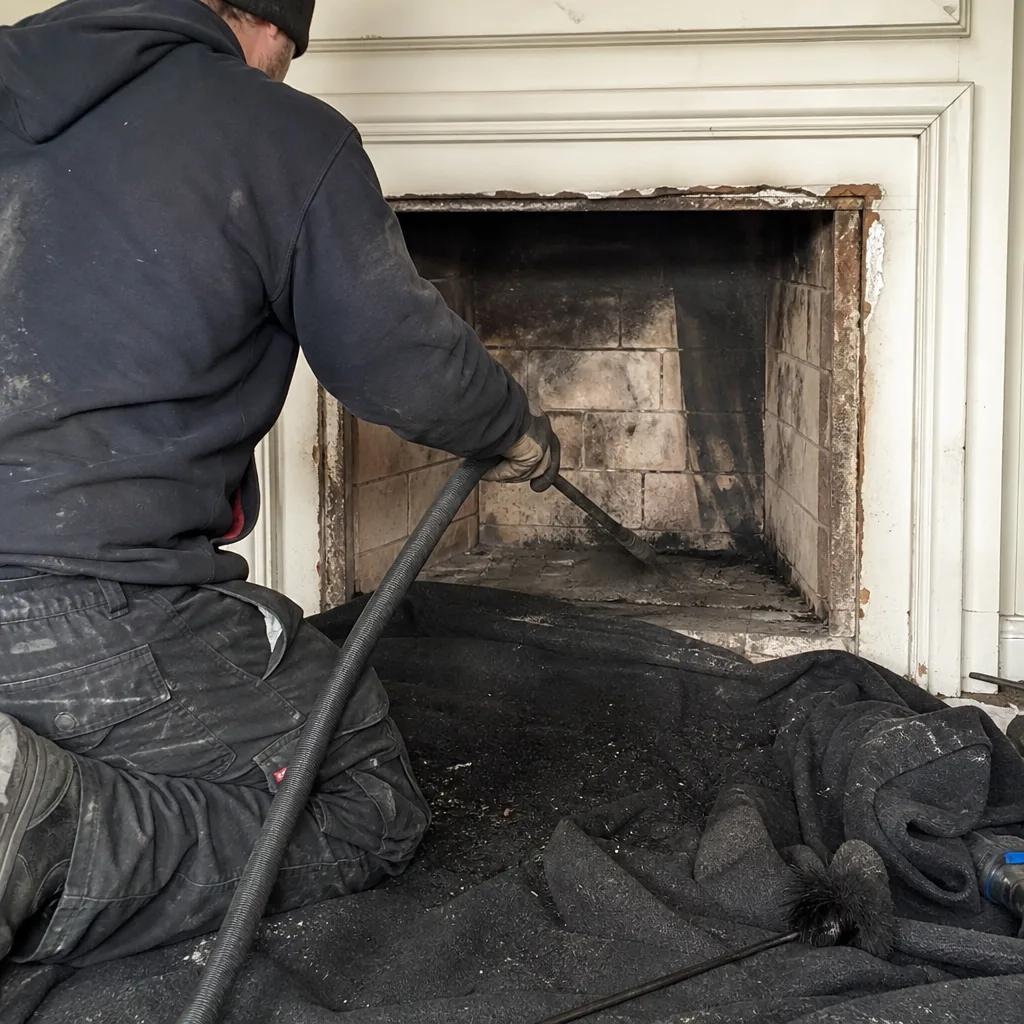
Level 1 sweep and inspection to the NFPA 211 annual standard - flue, crown, cap, and flashing checked and photographed
Chimney sweep logs do not sweep chimneys. They loosen some creosote - which then falls where a brush and vacuum still have to collect it.
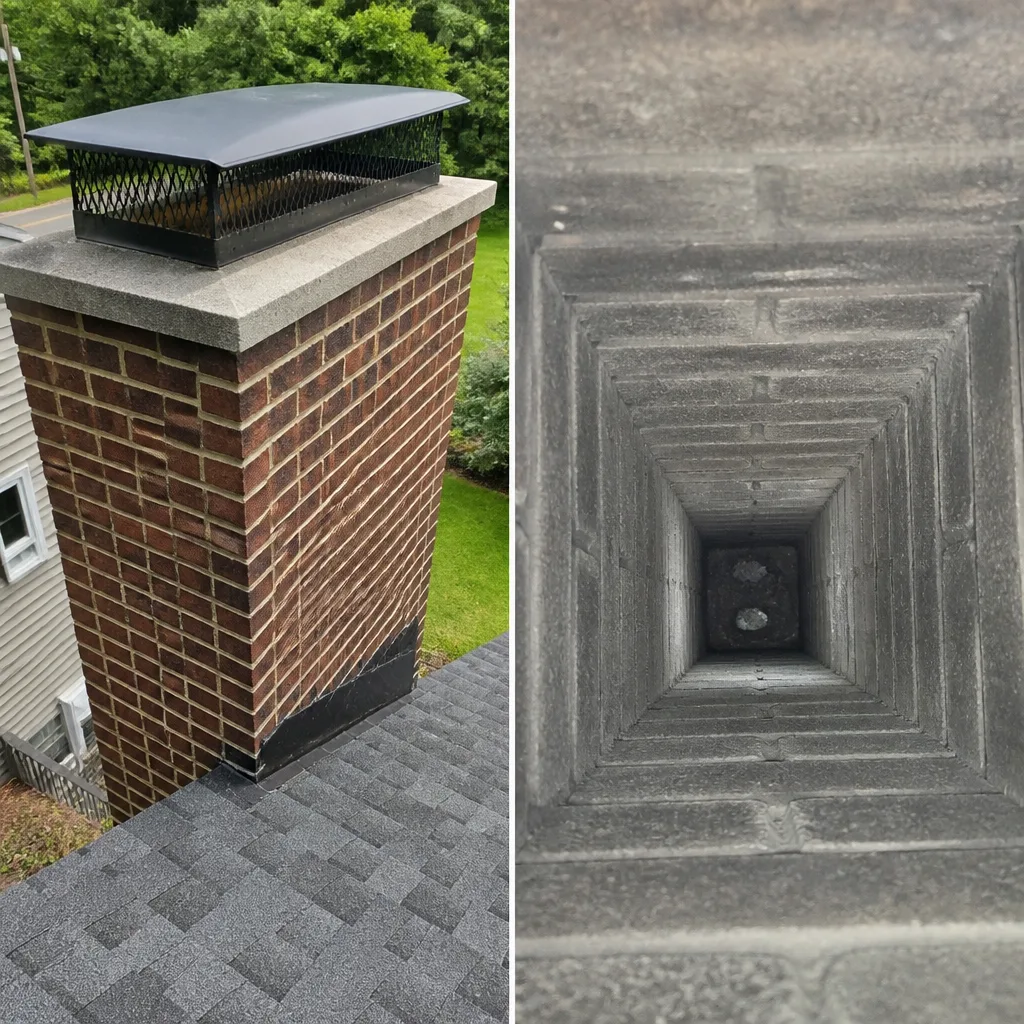
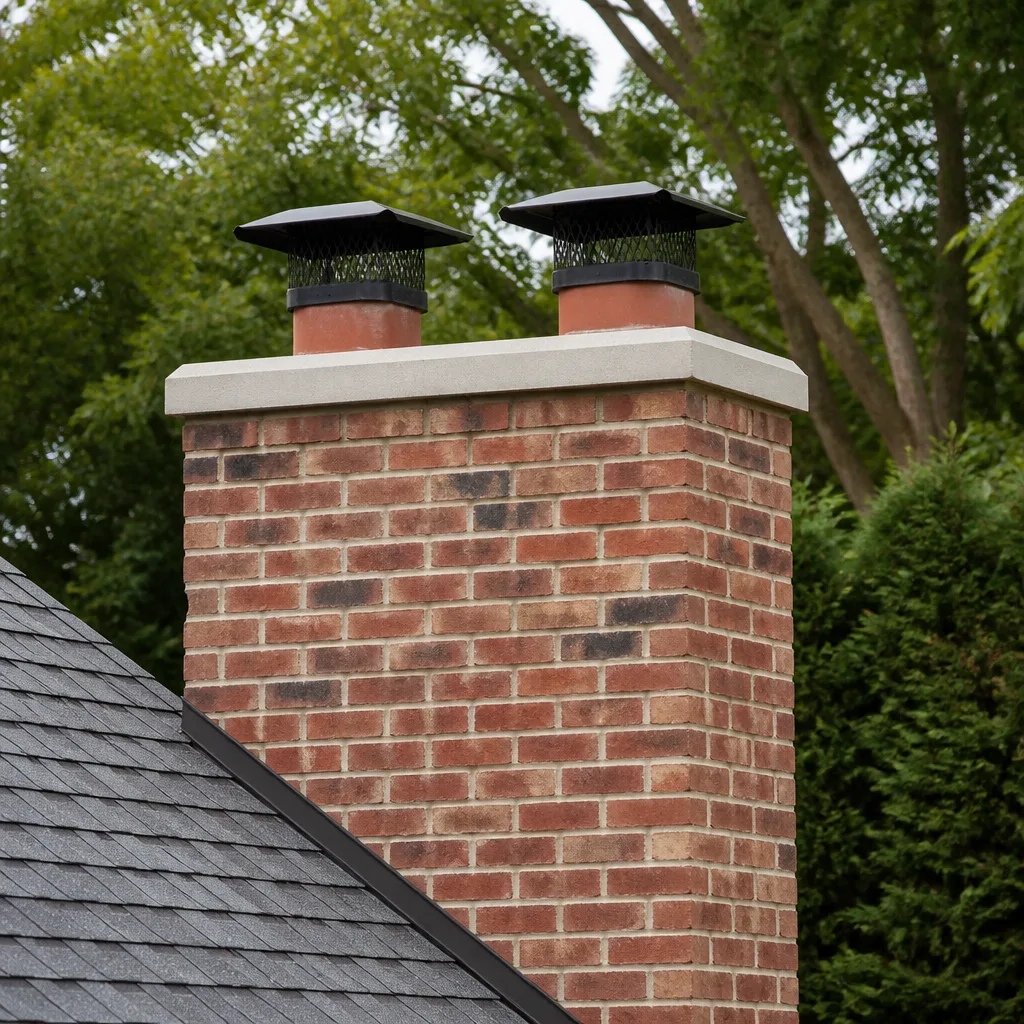
Flue relining
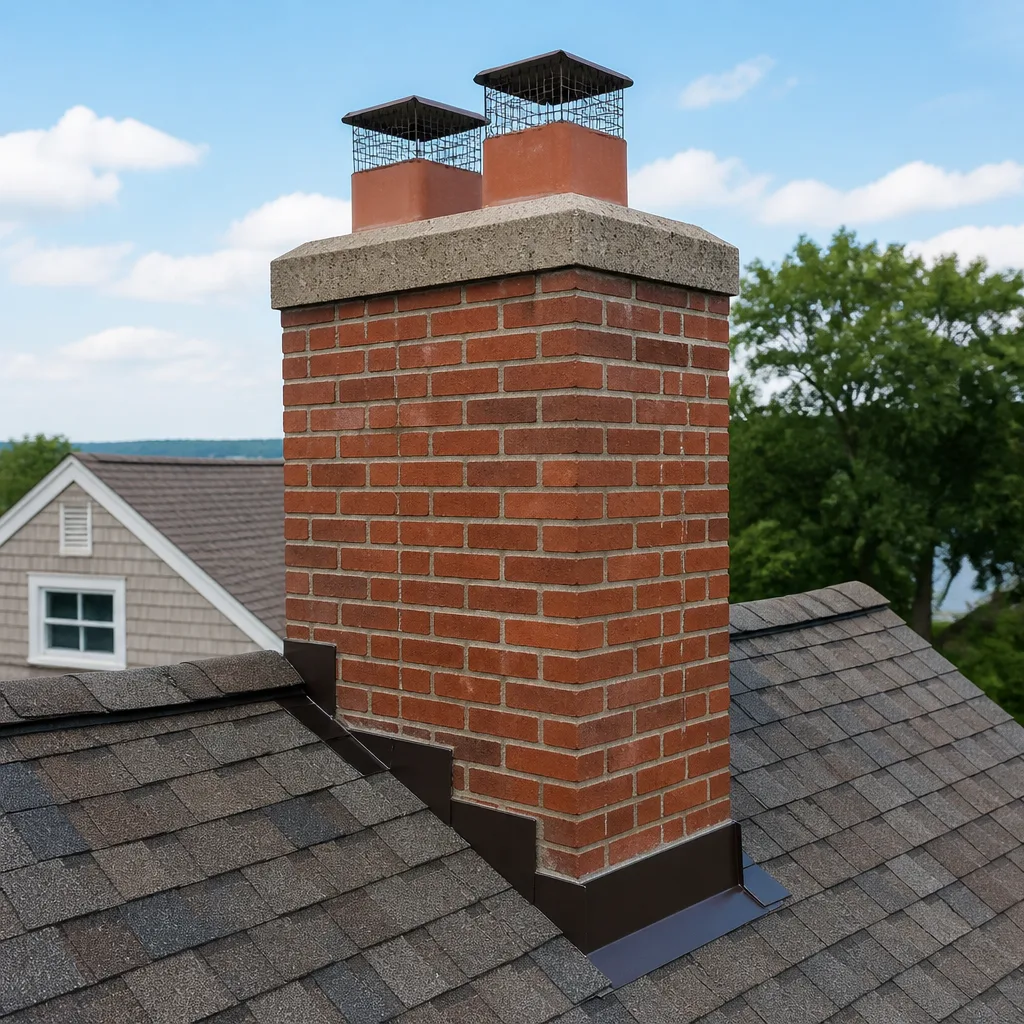
 Before
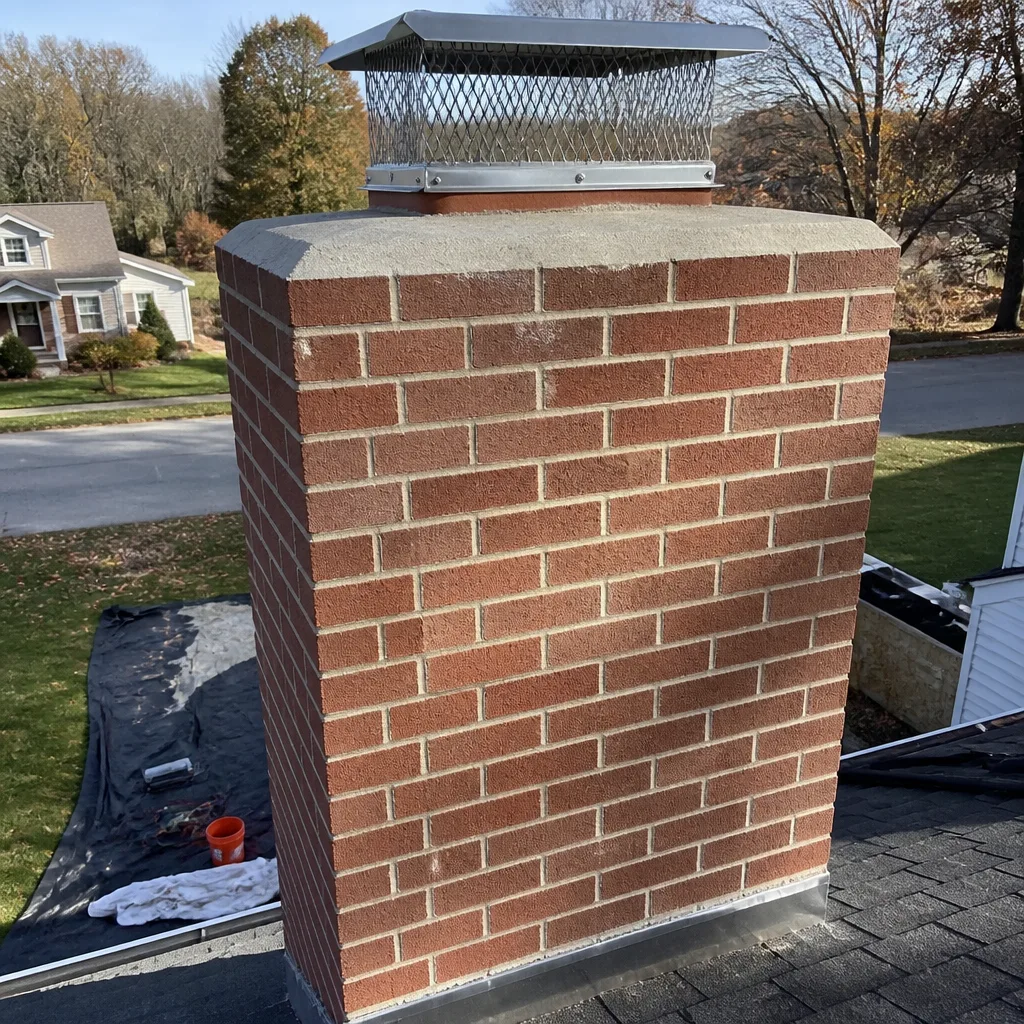 After
After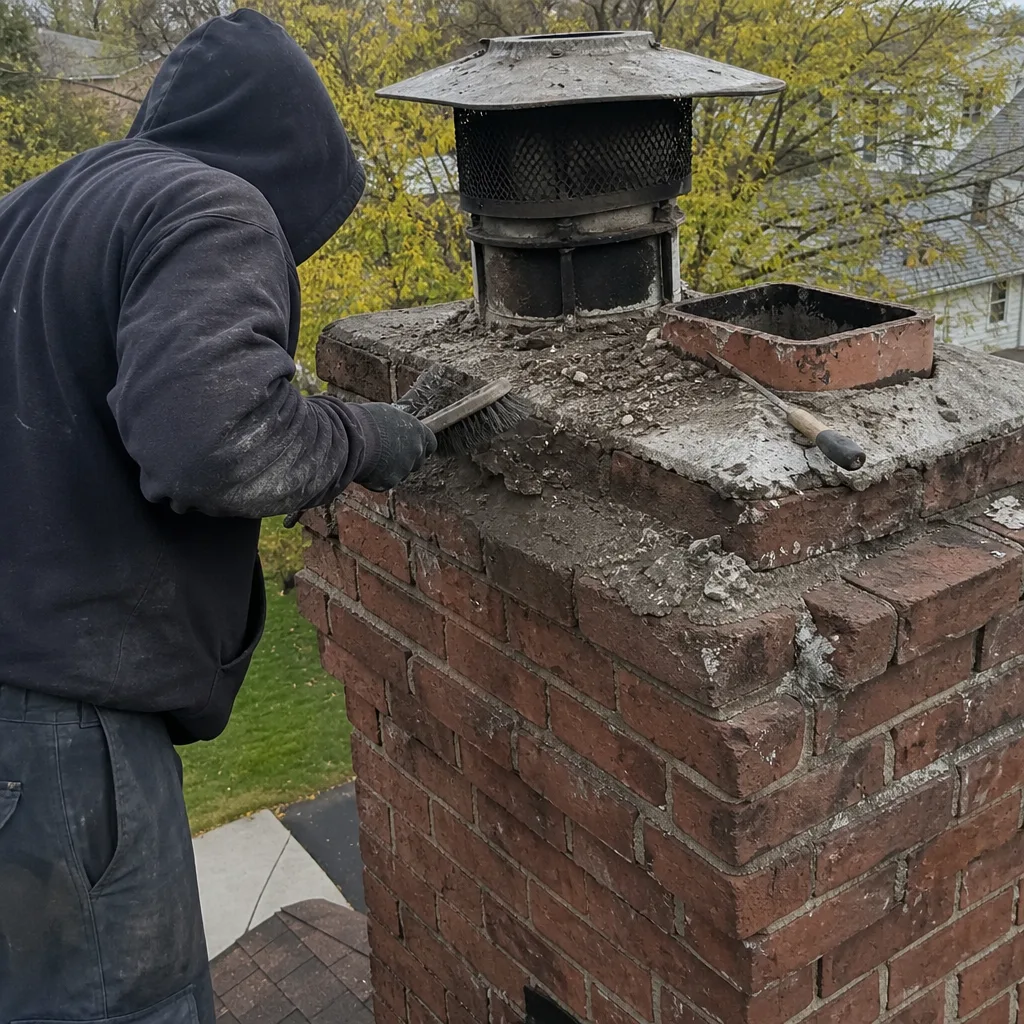 Before
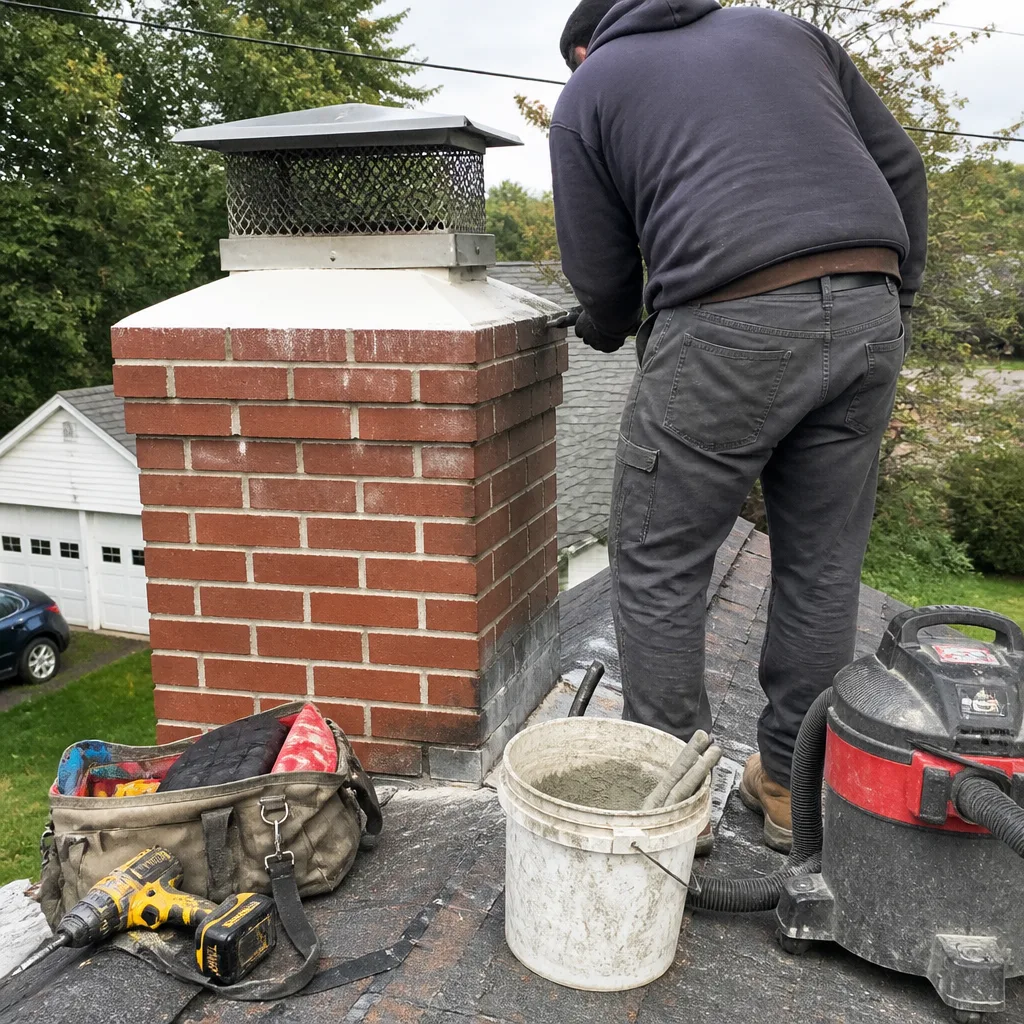 After
AfterHow to Hire a Chimney Cleaning Contractor in Pottstown: A Step-by-Step Guide
Pennsylvania does not require chimney sweeps to hold a state license. That one fact explains why the lowest quote in Pottstown is often from the person least qualified to give it. We’ve been sweeping chimneys here since 1984, and we’ve seen what happens when homeowners learn this too late: a cracked flue left undetected, a liner installed upside down, a “cheap” sweep that missed the creosote buildup that started a house fire on North Hanover Street two winters ago. This guide gives you the exact questions to ask, the answers that should make you hang up the phone, and the specific protections a legitimate contractor offers before any work begins. For more guides & resources on keeping your home safe, see our blog.
Quick Answer
Hiring a chimney cleaning contractor in Pottstown means finding a CSIA-certified sweep who carries active general liability and workers’ compensation insurance, provides a written estimate with scope, materials, and warranty terms, and can show you photos from a camera inspection with a plain-English verdict. Ask five specific questions before booking, verify insurance directly with the carrier, and never accept a verbal quote for anything beyond a basic sweep. In a state with zero licensing requirements, your due diligence is the only quality control that matters.
Table of Contents
- Why Pennsylvania’s Lack of Chimney Sweep Licensing Changes Everything
- The Five Questions That Separate Professionals from Pretenders
- What CSIA Certification Actually Means (and What It Doesn’t)
- How to Read Online Reviews for Chimney Companies: Red Flags in Five-Star Language
- What a Legitimate Written Estimate Must Include
- How to Verify Insurance in Pennsylvania Before They Set Foot on Your Property
- Pottstown-Specific Factors: Climate, Codes, and Neighborhood Conditions
- Common Mistakes to Avoid
- When to Call a Professional
- Frequently Asked Questions
- The Bottom Line
Why Pennsylvania’s Lack of Chimney Sweep Licensing Changes Everything
Most homeowners assume the person quoting $89 for a “complete chimney cleaning” has passed some state exam. They haven’t. Pennsylvania requires licenses for hairdressers, plumbers, and even auctioneers, but chimney sweeps operate in a regulatory vacuum. Anyone with a brush and a ladder can print business cards and start knocking doors in Pottstown, Pottsgrove, or Lower Pottsgrove Township.
This matters because chimney work carries real risks. A damaged liner can channel carbon monoxide into your bedroom. A cracked crown lets water freeze and thaw its way through your masonry until the whole structure needs rebuilding. An incomplete cleaning leaves glazed creosote that ignites at 451 degrees. These aren’t hypothetical problems. We’ve found active safety hazards in roughly one of every three Pottstown homes we inspect for the first time, often left behind by a previous “sweep” who either didn’t know what to look for or didn’t have the equipment to see it.
The stakes are higher here than in some markets. Pottstown’s housing stock includes a mix of pre-war brick colonials, 1970s raised ranches, and historic homes near the Schuylkill River that have seen decades of freeze-thaw cycles. Many chimneys in the older neighborhoods off High Street have never had a Level-2 inspection with a camera. The previous owner may have burned wood for forty years without knowing the flue liner was deteriorating.
Without state licensing, the burden of verification falls entirely on you. The good news: a legitimate professional has nothing to hide and everything to document. The rest of this guide shows you exactly how to find one.
The Five Questions That Separate Professionals from Pretenders
These five questions, asked in this order, will eliminate most unqualified operators before they waste your time or endanger your home. Write them down. Use them verbatim.
Question 1: “Are you CSIA-certified, and can I verify your certification number?”
A straight answer: “Yes, my CSIA number is [specific digits], and you can verify it at csia.org.” A disqualifying answer: any hesitation, any claim that certification “doesn’t matter,” or any reference to being “certified by our manufacturer” instead. Manufacturer training has value, but it is not CSIA certification. We’ve heard sweeps claim their “certification” came from a one-day sales seminar.
Question 2: “Will you provide a written estimate that includes scope, materials, and warranty terms before any work begins?”
A straight answer: “Yes, I’ll inspect first, then give you a written estimate you can review with no pressure.” A disqualifying answer: “I can just tell you the price after I look at it,” or “We don’t do written estimates for small jobs.” In Pennsylvania, a verbal quote is legally unenforceable. If they won’t put it in writing, they don’t stand behind it.
Question 3: “Can I see proof of active general liability and workers’ compensation insurance?”
A straight answer: “I’ll email you a certificate of insurance today, and you’re welcome to call my agent to confirm it’s current.” A disqualifying answer: “I’m fully insured, don’t worry about it,” or “My truck has a policy.” (Vehicles carry auto insurance, not liability coverage for work on your property.) We’ll cover how to verify this properly in a dedicated section below.
Question 4: “What does your inspection include, and will I see photos?”
A straight answer: “We do a Level-2 inspection with a chimney camera. You’ll get photos of every surface and a written report with a plain-English verdict.” A disqualifying answer: “I can tell if it’s clean just by looking,” or “Cameras aren’t necessary for most chimneys.” NFPA 211, the national standard, requires camera inspection for real estate transactions and any suspected damage. A sweep without a camera is working blind.
Question 5: “What happens if something goes wrong after the job?”
A straight answer: “We guarantee our work in writing. If it’s not right, we come back and make it right, no arguing, no paperwork for you to track down.” A disqualifying answer: “We’ve never had a complaint,” or “Call me if there’s a problem.” A company with a real guarantee has it in writing and offers it without prompting. At Hearthstone Chimney Co., our 90-Day Done Right Promise means exactly that: if it’s not done right, we make it right, backed in writing with no arguing.
Any sweep who bristles at these questions, rushes you off the phone, or claims you’re “overthinking it” has told you everything you need to know. Hang up and call the next number.
What CSIA Certification Actually Means (and What It Doesn’t)
The Chimney Safety Institute of America (CSIA) is the closest thing this trade has to a national standard. Certification requires passing a comprehensive exam on chimney physics, building codes, fire safety, and proper cleaning techniques, then recertifying every three years with continuing education. It’s a meaningful baseline. It is not a guarantee of competence.
Here’s what CSIA certification actually tells you: the holder has demonstrated knowledge of current standards and has committed to maintaining that knowledge. Here’s what it does not tell you: whether they carry insurance, whether they use professional-grade materials, whether they’ll still be in business if you need warranty work, or whether they’ll take the time to explain what they found instead of handing you a bill and leaving.
We’ve met CSIA-certified sweeps who cut every corner on materials and customer communication. We’ve also met uncertified operators who do honest, careful work but can’t document it to an insurance company’s satisfaction if something goes wrong. Certification is a floor, not a ceiling. Use it as a filter, not a final answer.
In the Pottstown market specifically, ask where they completed their certification and when they last recertified. The CSIA exam moved to a computer-based format in recent years, and the curriculum has been updated to address modern venting systems and factory-built fireplaces common in 1980s and 1990s construction. A sweep who certified fifteen years ago and never updated may not recognize the specific failure modes of a Heatilator prefab unit, which we see regularly in the Coventry Woods and Ringing Hills developments.
We require CSIA certification for every technician at Hearthstone Chimney Co., but we don’t stop there. Our sweeps also train on the specific brands we install and repair: DuraFlex liner systems, HeatShield resurfacing products, and Olympia Chimney components. Certification gets them in the door. Ongoing training and documented experience keep them competent.
How to Read Online Reviews for Chimney Companies: Red Flags in Five-Star Language
Most homeowners scan star ratings and read a few top reviews. In the chimney trade, that approach misses the warnings that matter. Here’s how to read between the lines.
Red Flag 1: Vague enthusiasm with zero specifics
“Great service, highly recommend” tells you nothing. Look for reviews that mention what was actually done: “They found a cracked flue tile with the camera and showed me the photo,” or “The estimate listed DuraFlex liner, Gelco cap, and labor separately.” Specificity indicates a real transaction. Generic praise often indicates a review swap or a customer who didn’t know enough to evaluate the work.
Red Flag 2: Multiple reviews posted the same week
A legitimate company serving Pottstown for years will have reviews spread across months and years. A cluster of five-star reviews posted within days suggests a reputation management campaign or the owner’s relatives getting active. Scroll to the oldest reviews. Do they describe the same quality of work and communication as the recent ones? Consistency over time matters more than a perfect recent average.
Red Flag 3: No mention of inspection documentation
A proper chimney service produces paperwork: photos, written findings, estimates, receipts. If none of the reviews mention receiving documentation, the company may be operating without proper process. This is especially important for Pottstown’s older homes, where previous owners may have deferred maintenance for decades and documentation becomes critical for insurance claims or real estate transactions.
Red Flag 4: Defensive responses from the owner
Every business gets an unfair negative review eventually. The professional response: a brief, factual clarification offered without hostility. The disqualifying response: lengthy arguments, accusations against the customer, or claims that the reviewer “must be thinking of someone else.” A contractor who argues publicly with customers will argue privately with you about warranty claims.
Red Flag 5: Reviews mentioning pressure tactics
“They said it was unsafe to use until I agreed to $4,200 in repairs” is a pattern we’ve heard described by Pottstown homeowners who called us for second opinions. In many cases, the recommended work was legitimate but the delivery was coercive. In some cases, the “urgent” repairs were unnecessary. Either way, pressure selling indicates a company more focused on today’s revenue than on long-term reputation. We offer free second opinions on any written estimate precisely because we’ve seen this pattern damage trust in our whole trade.
Look for reviews from customers who describe taking time to decide, getting multiple quotes, or having work explained patiently. Those are the customers who actually evaluated their options and still chose that company. Their judgment carries more weight than any star rating.
What a Legitimate Written Estimate Must Include
A verbal quote for chimney work is worth the paper it’s printed on. In Pennsylvania’s unregulated market, a written estimate is your only enforceable record of what was promised and at what price. Here’s what belongs on that document, and why each element matters.
Element 1: Complete scope of work
Not “clean chimney” but “Level-2 inspection with chimney camera, sweep of flue from firebox to crown, inspection of damper assembly, smoke chamber, and exterior masonry.” Specificity prevents scope creep on one side and unfinished work on the other. If the estimate says “repair crown,” it should specify whether that means patching, resurfacing, or rebuilding.
Element 2: Materials specified by brand and grade
“Stainless steel liner” is insufficient. “DuraFlex 316Ti stainless steel liner, 6-inch diameter, appropriate length for [address]” is what you want. Professional-grade materials from recognized manufacturers carry warranties that transfer to you. Generic or unbranded materials often fail prematurely and leave you with no recourse. We specify DuraFlex, HeatShield, Gelco, Olympia Chimney, Famco, and Copperfield products because these manufacturers stand behind their materials and we can stand behind our installation.
Element 3: Labor separated from materials
This transparency lets you compare quotes fairly and understand where your money goes. It also matters for warranty purposes: if a liner fails, you need to know whether the manufacturer or the installer is responsible. A lump-sum quote with no breakdown protects the contractor, not you.
Element 4: Warranty terms in writing
How long? What does it cover? What voids it? Who honors it, the manufacturer or the installer? A legitimate warranty answers all four questions explicitly. Our 90-Day Done Right Promise covers all workmanship, and manufacturer warranties cover the materials we install. Both are documented on every estimate.
Element 5: Payment terms and schedule
Never pay in full before work is complete. A reasonable structure: deposit for materials, balance due upon satisfactory completion. Be wary of anyone demanding full payment upfront, especially for work scheduled weeks out. We’ve been called to Pottstown homes where the “contractor” took a deposit and never returned.
Element 6: Start date and estimated completion
Chimney work is weather-sensitive, especially crown and masonry repairs. The estimate should specify whether dates are firm or weather-dependent, and how the contractor will communicate delays. “We’ll be there when we say” is a promise we’ve kept for 42 years because we know our customers plan their lives around our arrival.
Keep your signed estimate with the completed invoice and any warranty documents. In a dispute, this paperwork is your evidence. In a home sale, it’s proof of proper maintenance that buyers and insurers increasingly request.
How to Verify Insurance in Pennsylvania Before They Set Foot on Your Property
A certificate of insurance (COI) is a piece of paper. It can be forged, outdated, or issued for a policy that lapsed last month. Verifying active coverage takes ten minutes and protects you from liability that could cost your home.
Step 1: Request the COI directly
Ask the contractor to have their insurance agent email you the certificate, with your name and address listed as the certificate holder. This ensures the document is generated fresh, not pulled from a file of old certificates. The COI should show general liability coverage (typically $500,000 to $1 million) and workers’ compensation coverage if the company has employees. For details on Pennsylvania’s specific rules, see Chimney Cleaning Permits, Codes & Inspections in PA: What You Need to Know.
Step 2: Call the insurance agent or company
Use the phone number on the certificate, not a number the contractor provides. Confirm the policy is active, the coverage amounts match the certificate, and the policy includes work on residential properties. Ask specifically whether there have been any lapses in the past twelve months. A contractor who missed a payment and had coverage suspended for even a week is a contractor who may have been uninsured when they worked on your neighbor’s house.
Step 3: Verify workers’ compensation status
In Pennsylvania, workers’ compensation is required for most employers, but exemptions exist for very small operations. If a contractor has no workers’ comp and an employee is injured on your property, your homeowner’s insurance may be drawn into the claim. Ask directly: “Do you carry workers’ compensation, and if not, why not?” A solo operator with no employees may legally operate without it, but they should explain this clearly and carry higher general liability limits to compensate.
Step 4: Check for additional insured status
For major repairs or rebuilds, request to be named as an additional insured on the policy for the duration of the project. This gives you direct rights under the policy if a claim arises. Not all contractors will accommodate this for small jobs, but the willingness to discuss it indicates professional sophistication.
We’ve carried general liability and workers’ compensation without interruption since 1984. Our agent’s contact information is available on request, and we encourage every Pottstown homeowner to make the verification call. A contractor who resists this process has something to hide.
Pottstown-Specific Factors: Climate, Codes, and Neighborhood Conditions
Chimney performance and deterioration vary by geography. A sweep who works primarily in new suburban construction may not recognize the patterns common in Pottstown’s older housing stock and specific climate conditions.
Freeze-thaw cycling and masonry damage
Pottstown sits in a zone where winter temperatures routinely drop below freezing and rise above in the same week. Water enters hairline cracks in masonry, expands when it freezes, and widens those cracks over successive cycles. By March, a crown with minor alligator cracking in October can need complete rebuilding. We see this pattern concentrated in the historic districts near Charlotte Street and in the brick colonials built before 1960 throughout the borough. A sweep who only works in newer construction may miss early-stage crown damage because they’ve rarely seen what it becomes.
Prefabricated fireplace prevalence
Developments like Coventry Woods, Ringing Hills, and portions of Pottsgrove Township were built with factory-built fireplaces from manufacturers like Heatilator and Superior. These units have specific clearance requirements, defined component lifespans, and manufacturer-approved repair methods. A sweep trained only on masonry construction may not recognize that a rusted chase cover on a prefab unit needs Famco or Gelco replacement parts, not generic sheet metal. Using the wrong materials voids warranties and creates fire hazards.
Local fuel choices and creosote patterns
Pottstown homeowners burn a mix of cordwood, pressed logs, and occasional coal in older units. Each fuel produces different creosote compositions. Softwoods and unseasoned oak, common in local cordwood deliveries, create flaky, easily ignited creosote. Pressed logs burn cleaner but can deposit harder, more glazed residues that resist standard brushing. A proper sweep asks what you burn and adjusts technique accordingly. A cheap operator uses the same brush and calls it done.
Permit and code considerations
Pottstown Borough and surrounding townships have adopted the International Residential Code with local amendments. Liner replacements, structural repairs, and new installations typically require permits. A legitimate contractor knows which municipality has jurisdiction for your address and handles permit applications as part of the project. An unlicensed operator may skip permits to save time and leave you with uninsurable, uncode work. Ask directly: “Will you pull the necessary permits, and is that cost included?”
Neighborhood-specific access challenges
Some of Pottstown’s older streets have limited parking, narrow driveways, or steep grades that affect equipment access. The row homes near the river have roofs that require specific ladder positioning. A local contractor knows these constraints and plans for them. An out-of-town operator may arrive unprepared, rush the job, or damage landscaping getting equipment where it needs to go.
At Hearthstone Chimney Co., we’ve worked in every Pottstown neighborhood across four decades. We know which streets have parking restrictions on sweep days, which homes have the prefab units common to their construction era, and which masonry patterns indicate the specific freeze-thaw damage this climate produces. That accumulated local knowledge is part of what you’re paying for, and it’s not available from a franchise operator working from a national playbook.
Common Mistakes to Avoid
- Hiring based on price alone. The lowest quote in an unregulated market often reflects uninsured labor, no camera equipment, and no warranty backing. We’ve been called to repair botched “bargain” sweeps that cost the homeowner triple what proper work would have.
- Assuming a clean chimney is a safe chimney. Creosote removal is only part of the job. A sweep who doesn’t inspect the flue liner, crown, and masonry with a camera can’t declare your chimney safe. We’ve found dangerous liner gaps in chimneys that were “swept” annually by brush-only operators.
- Booking without verifying current insurance. A certificate of insurance from last year proves nothing. Call the agent. In Pennsylvania, an uninsured contractor who falls off your roof can expose you to liability that exceeds your homeowner’s policy limits.
- Accepting urgency pressure without documentation. Any sweep who declares your chimney “unsafe to use” should show you the specific photo or test result that supports that claim. Vague warnings without documentation are sales tactics, not professional judgments.
- Neglecting to ask about materials brands. Generic liners and caps fail sooner and carry no manufacturer warranty. Ask specifically: “What brand of liner will you install, and what is its warranty?” If they can’t answer, they may not know what they’re installing.
- Forgetting to confirm cleanup and protection protocols. A proper sweep protects your floors, furniture, and air quality with drop cloths, HEPA vacuums, and containment procedures. Ask how they protect your home, and be wary of anyone who treats this as an afterthought.
- Skipping the written estimate for “simple” work. Even a basic sweep should produce a written scope and price. Verbal agreements leave no record if the scope expands or the price changes at your door.
When to Call a Professional
Call a qualified chimney professional before your first fire of the season, if you notice any of these specific conditions: visible cracks in interior or exterior masonry, white efflorescence staining on the chimney exterior, rust in the firebox or damper area, smoke entering your home during fireplace use, a strong odor from the fireplace in warm weather, or any changes in draft performance after weather events. In Pottstown’s climate, the freeze-thaw cycle accelerates damage that starts small and becomes expensive quickly.
Don’t attempt to evaluate chimney damage yourself from the roof. Falls from roof height are a leading cause of homeowner injury, and chimney crowns and flue liners require trained eyes and camera equipment to assess properly. The inspection itself is not a DIY project.
Hearthstone Chimney Co. offers free estimates in Pottstown and surrounding communities. Our technicians are background-checked, uniformed, and equipped to complete most jobs in a single visit. We answer the phone with a live person 24 hours a day, 7 days a week, at (610) 819-4281. Call us for a documented inspection, photos you can see, and a plain-English verdict on what your chimney needs, what can wait, and what it will cost.
Frequently Asked Questions
A basic Level-1 chimney sweep in Pottstown typically ranges from $150 to $250, while a Level-2 inspection with camera documentation runs $250 to $400 depending on accessibility and the number of flues. Repairs, liner installations, and masonry work are quoted separately after inspection. We provide no-hassle upfront pricing, so the number on the estimate is the number on the invoice. Call (610) 819-4281 for an exact quote, estimates are free.
You need a new liner if your existing liner is cracked, improperly sized, or missing entirely, conditions we can document with camera photos. In Pottstown’s older homes, unlined chimneys or damaged clay tile liners are common and create fire and carbon monoxide hazards. However, not every chimney needs relining. We’ve inspected many where the existing liner was serviceable for years to come. Nothing is recommended without camera evidence you can see for yourself. Call (610) 819-4281 for a documented inspection.
The National Fire Protection Association recommends annual inspection for all chimneys, with cleaning frequency based on use and fuel type. A Pottstown home burning cordwood two to three times weekly typically needs annual sweeping. Occasional fireplace use may allow longer intervals between cleanings, but the annual inspection remains essential because freeze-thaw damage and animal intrusion can occur regardless of use. Call (610) 819-4281 to schedule, estimates are free.
Skipped maintenance leads to three predictable outcomes: accumulated creosote increases fire risk, moisture intrusion degrades masonry until repairs become major rebuilds, and undetected liner damage can channel carbon monoxide into living spaces. In Pottstown’s climate, we’ve seen crowns that needed $200 in sealing become $3,000 rebuilds after two winters of neglect. The cost of prevention is always lower than the cost of remediation. Call (610) 819-4281 to get ahead of it.
No. Pennsylvania has no state licensing requirement for chimney sweeps. CSIA certification is voluntary and represents a national standard of knowledge, but it is not legally required. This is precisely why your due diligence in verifying certification, insurance, and documented work history is essential. We require CSIA certification for all our technicians as a baseline, not as a legal compliance. Call (610) 819-4281 to speak with a certified sweep.
Yes, and you should. Request a certificate of insurance directly from the company’s agent, then call that agent using the phone number on the certificate to confirm active coverage, adequate limits, and no recent lapses. This ten-minute call protects you from liability for injuries or damage that occur on your property. We encourage every Pottstown homeowner to make this verification before booking any chimney work. Our agent’s contact information is available on request, call (610) 819-4281.
The Bottom Line
Hiring a chimney cleaning contractor in Pottstown requires more vigilance than most homeowners expect because Pennsylvania offers no regulatory safety net. The five questions in this guide, properly asked and answered, eliminate the majority of unqualified operators before they reach your door. Verify CSIA certification, demand written estimates with specified materials and warranty terms, confirm active insurance directly with the carrier, and insist on camera documentation with photos you can see. A legitimate professional welcomes this scrutiny. A pretender avoids it.
We’ve been sweeping chimneys in this community since 1984, and we plan to be here for decades more. That long horizon shapes how we treat every customer, every job, and every promise we make. Done right, and we stand behind it. In writing, no arguing. That’s the only way we know to build a business that lasts.
Written by Russell Haines, Owner at Hearthstone Chimney Co., serving Pottstown since 2014.