
Last updated September 10, 2026
Level 1 sweep and inspection to the NFPA 211 annual standard - flue, crown, cap, and flashing checked and photographed
Chimney sweep logs do not sweep chimneys. They loosen some creosote - which then falls where a brush and vacuum still have to collect it.
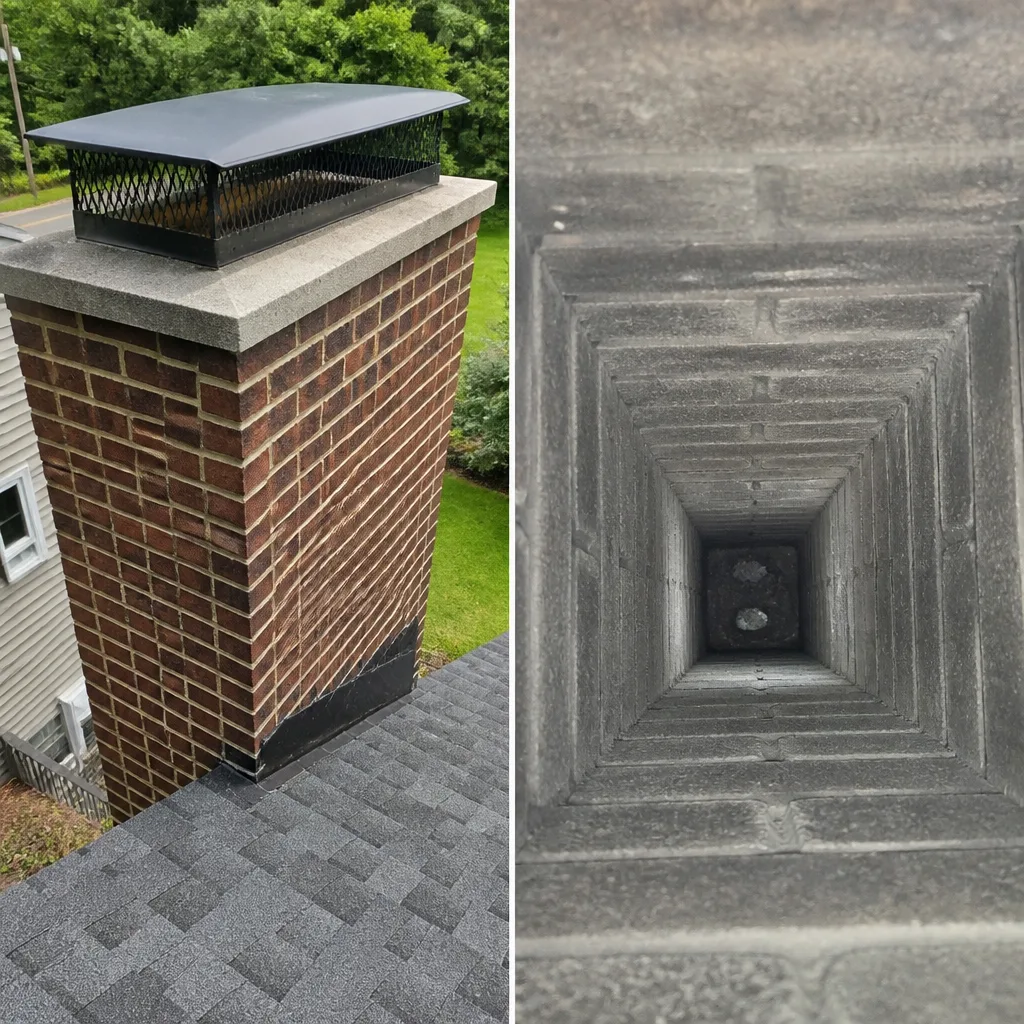
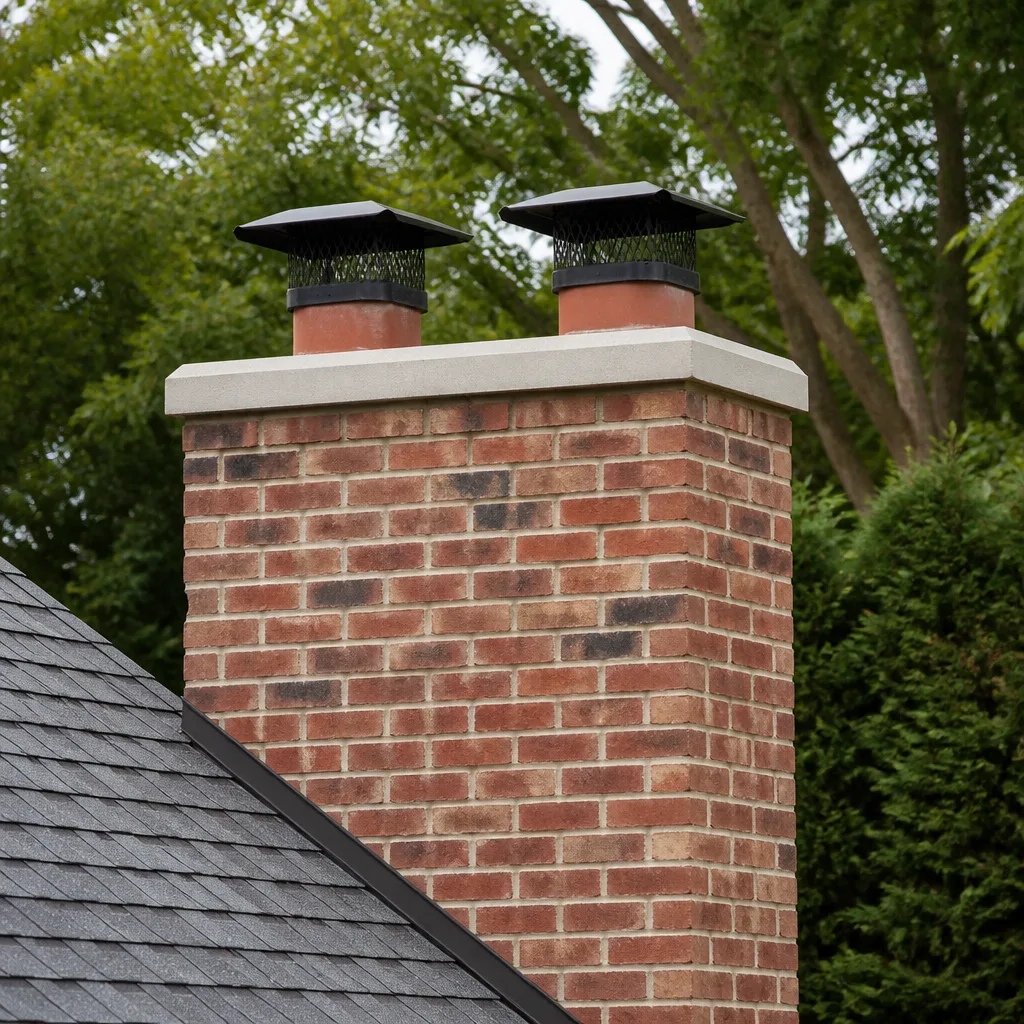
Flue relining
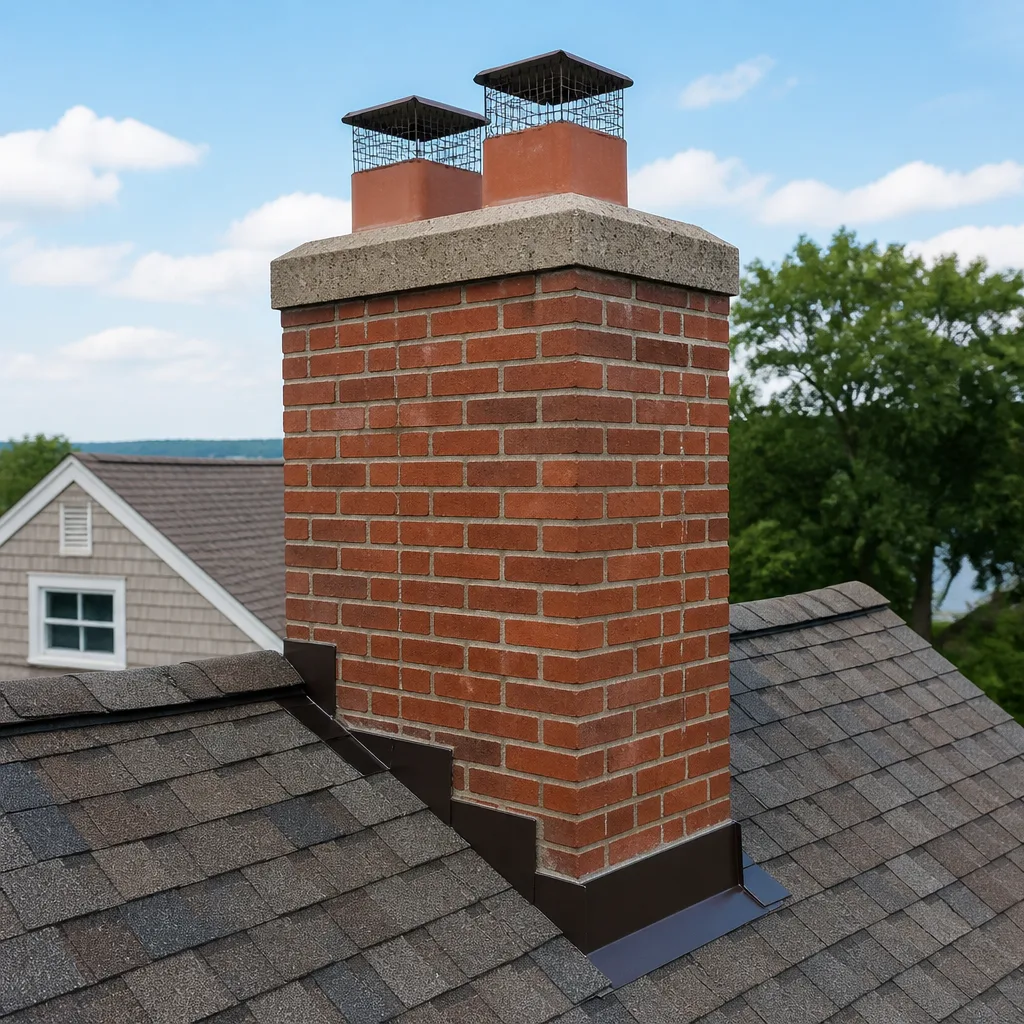
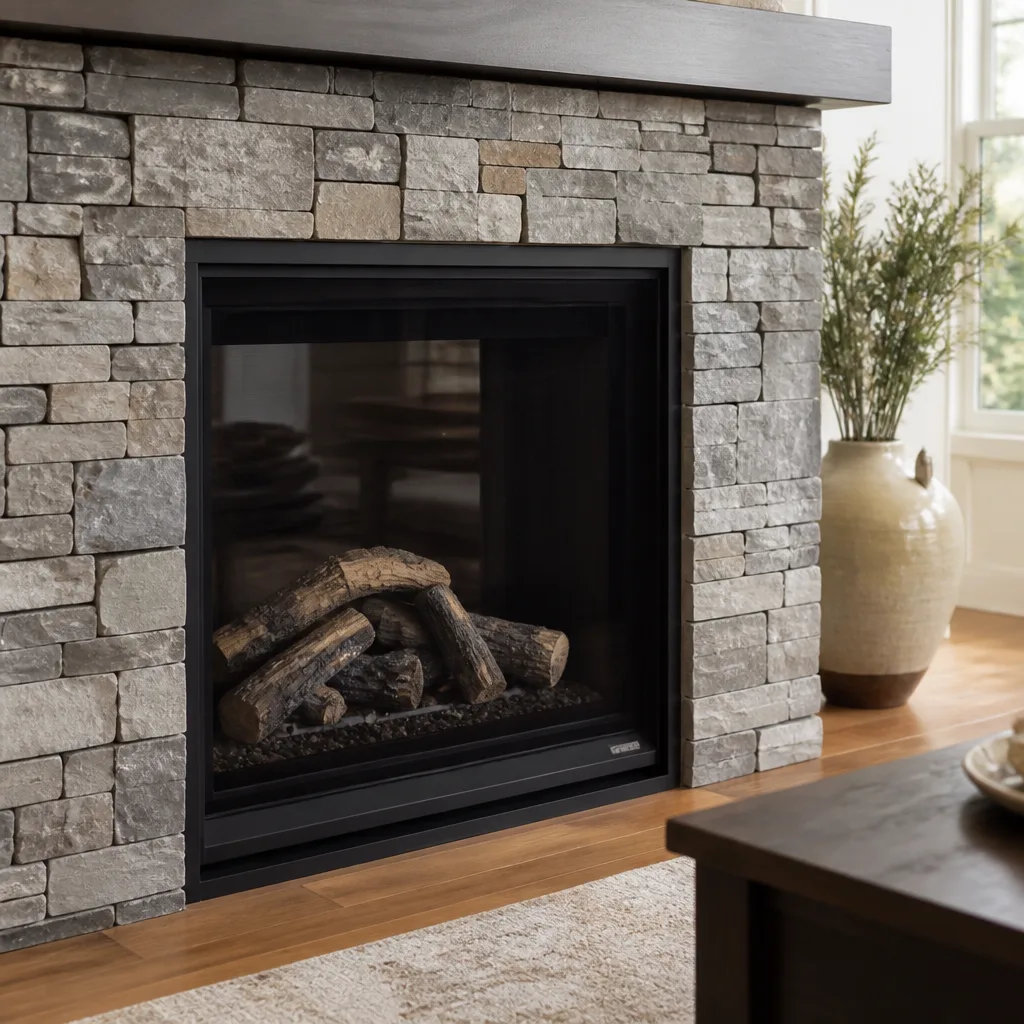
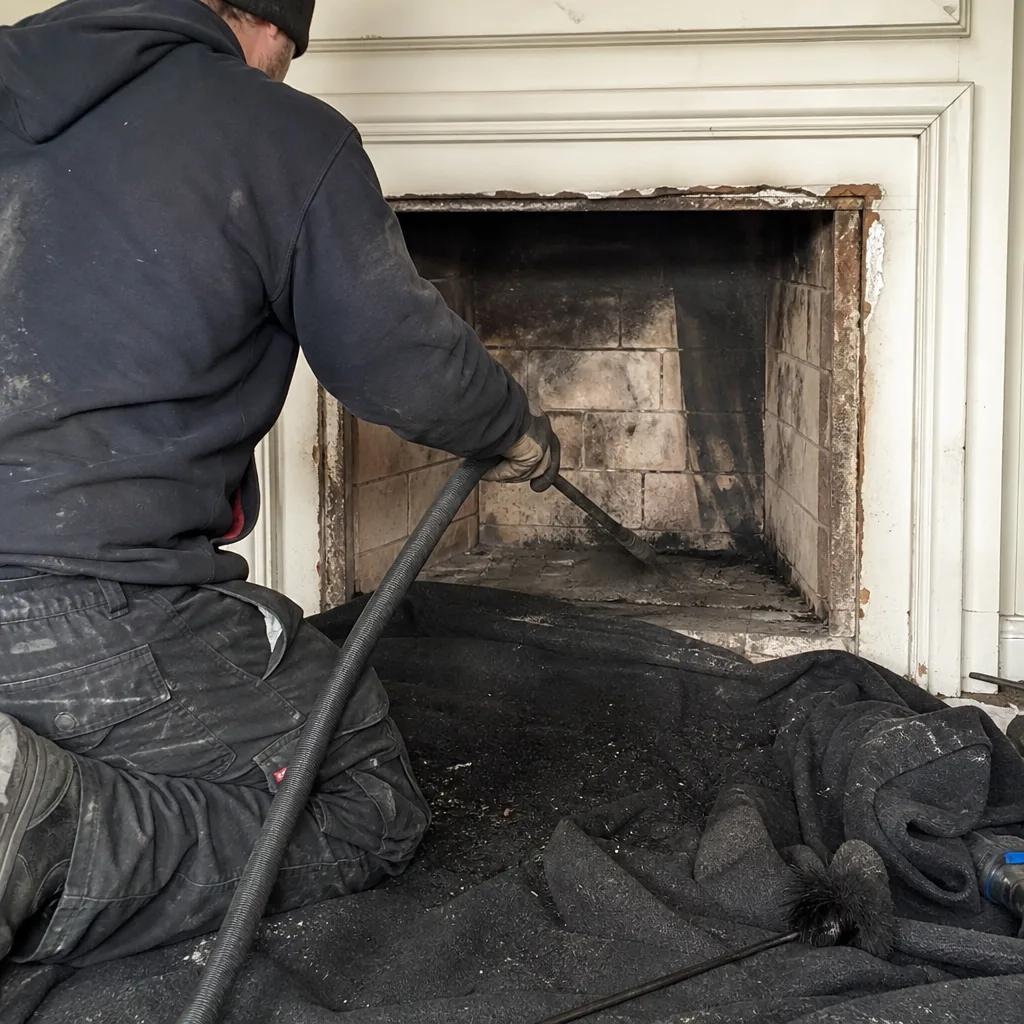 Before
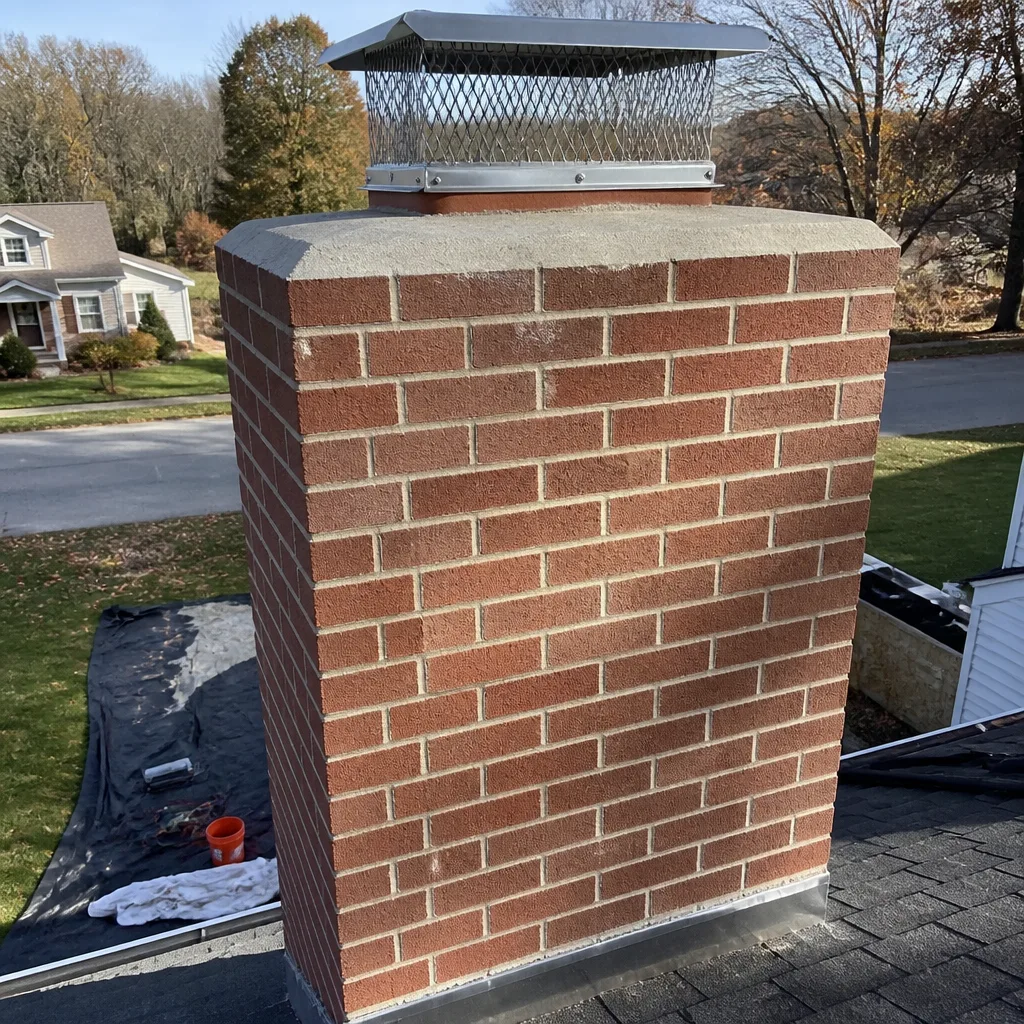 After
After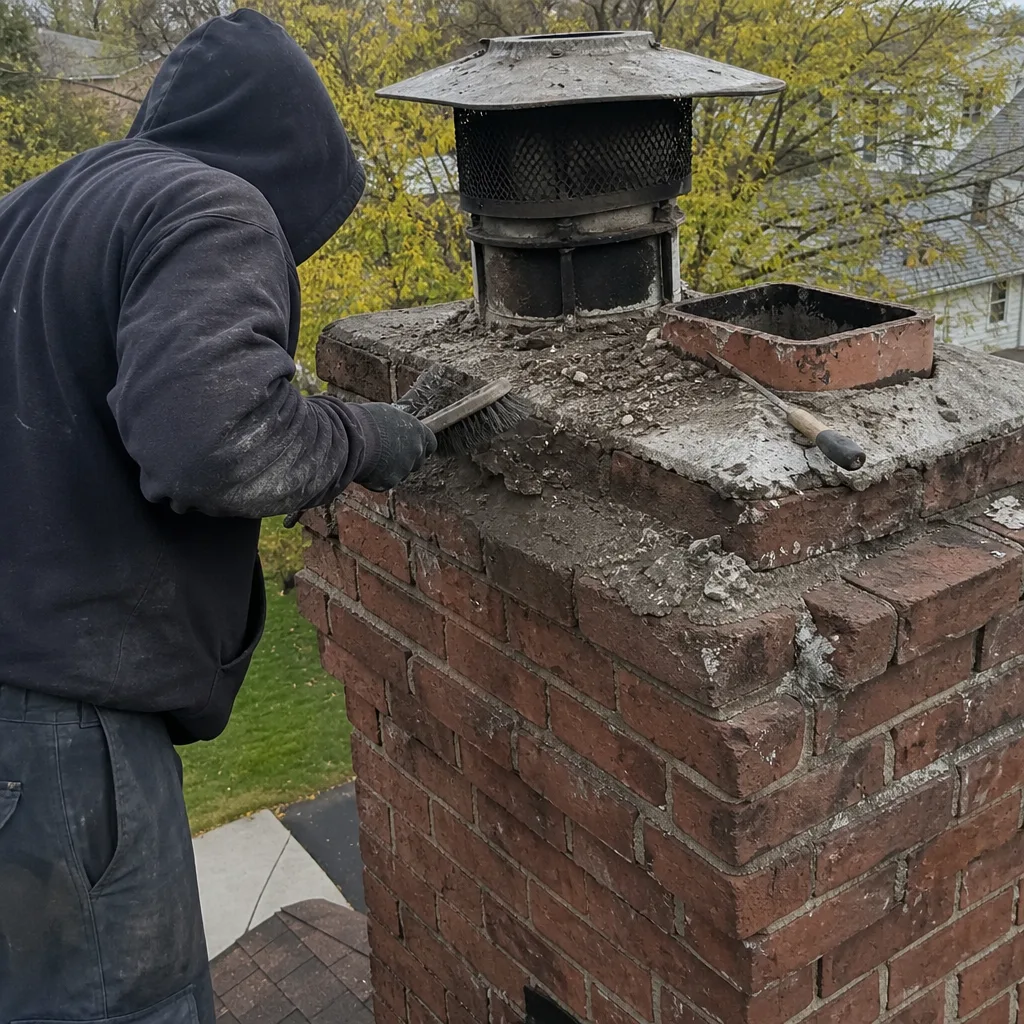 Before
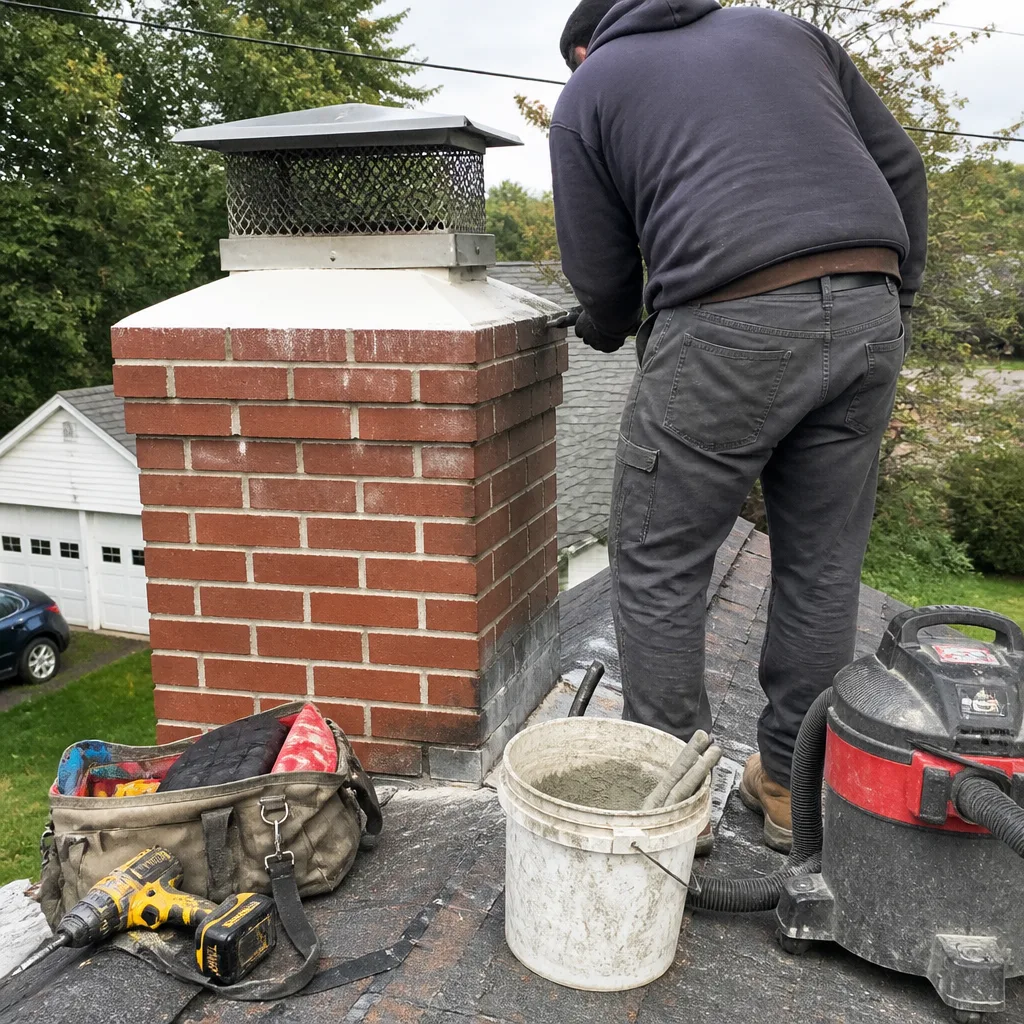 After
AfterDIY vs Professional Chimney Cleaning: The Pottstown Homeowner’s Decision Guide
You can buy chimney cleaning rods, a brush, and a drop cloth for under $80. What you cannot buy is the ability to identify a cracked flue tile, a deteriorated smoke chamber, or Stage 2 creosote in the dark with a headlamp - and those are the things that burn houses down. In Pottstown, where winters run long and many of our chimneys date back to the 1950s brick construction boom, we’ve seen too many homeowners discover this gap the hard way. This guide explains exactly what a careful homeowner can handle, where DIY ends and liability begins, and how to make the decision without condescension or scare tactics. For more guides & resources, visit our blog.
Quick Answer
Most Pottstown homeowners can safely handle basic firebox cleanout, visual damper checks, and exterior cap inspections between professional visits. The actual chimney sweep - brushing the flue, diagnosing creosote buildup stage, and inspecting hidden surfaces with a camera - requires training, proper equipment, and documentation that protects your insurance coverage. Professional cleaning in Pottstown typically runs $180-$320 for a standard sweep with Level-1 inspection, while a Level-2 camera inspection adds $150-$250 but reveals defects no DIY method can find.
Table of Contents
- What DIY Chimney Cleaning Actually Looks Like
- Where DIY Ends: The Tasks You Cannot Safely Do Yourself
- Why Diagnostics Matter More Than the Brush
- The Real Cost Comparison: Equipment, Time, and Risk
- The Insurance and Liability Gap
- The One Scenario Where DIY Maintenance Makes Sense
- Pottstown-Specific Factors: Climate, Codes, and Common Defects
- What to Look for in a Professional Sweep
What DIY Chimney Cleaning Actually Looks Like
Let’s be plain about what a motivated homeowner can actually accomplish with store-bought tools and a Saturday morning. We’ve met plenty of capable people in Pottstown who take genuine pride in maintaining their homes. The question isn’t whether you’re handy. It’s whether the job you’re attempting matches the tools in your hands.
Here’s what DIY chimney maintenance can reasonably cover:
- Firebox cleanout. Removing ash and loose debris with a fireplace shovel and metal bucket. This is straightforward, safe, and should be done regularly during burning season. Wait 24 hours after your last fire, wear a dust mask, and dispose of ashes in a metal container with a lid - never a plastic bag, and never on your Pottstown porch where wind can scatter embers.
- Visual damper inspection. Opening and closing the damper, checking for rust, warping, or debris that prevents full closure. A damper that won’t seal costs you heated air all winter. If you find significant rust or the mechanism binds, that’s a repair call, not a DIY fix.
- Exterior cap and crown check from the ground. Binoculars work fine here. You’re looking for missing mesh on the cap, visible cracks in the crown concrete, or animal nesting material. In Pottstown’s tree-heavy neighborhoods like Lower Pottsgrove and North Coventry, we’ve found squirrel nests blocking caps more times than we can count.
- Surrounding area clearance. Checking that furniture, curtains, and combustibles stay at least 36 inches from the fireplace opening. Moving a too-close armchair is free and immediate.
These tasks are maintenance, not cleaning. They keep your fireplace functional between professional visits. They do not remove creosote from the flue, inspect the liner condition, or evaluate whether your chimney is structurally sound.
The hardware store sells chimney brushes in polypropylene and wire bristle, extension rods in fiberglass and steel, and kits complete with plastic sheeting and a shop vacuum adapter. For a single-story home with a straight flue, you might manage to run a brush through and knock loose material into the firebox. What happens next separates the hobbyist from the professional.
That loose material contains creosote in various stages. Stage 1 is flaky and brushes off easily. Stage 2 is shiny and tar-like, requiring a rotary whip or chains to remove. Stage 3 is glazed, hardened, and essentially a fuel source built onto your flue walls. A homeowner with a basic brush cannot distinguish these stages while working, cannot safely remove Stage 2 or 3, and has no way to document what was or wasn’t found.
Where DIY Ends: The Tasks You Cannot Safely Do Yourself
There is a specific moment in every chimney sweep where the job shifts from physical cleaning to technical evaluation. In our experience across Pottstown’s housing stock, that moment arrives within the first ten minutes of any competent inspection.
Flue inspection with a camera. The flue liner - clay tile, stainless steel, or cast-in-place - runs the full height of your chimney. Cracks, gaps between tiles, spalling surfaces, and missing mortar joints are invisible from below and unreachable from above without specialized equipment. A homeowner on a roof with a flashlight cannot see what a chimney scan reveals. We’ve found cracked flue tiles in homes on Charlotte Street, Hanover Street, and throughout the Ringing Hill neighborhood where owners had “cleaned” their chimneys for years without knowing.
Smoke chamber evaluation. The smoke chamber sits above the damper, funneling smoke into the flue. Building codes require it to be parged smooth, but many older Pottstown homes have corbeled brick or rough surfaces that collect creosote and create turbulence. Evaluating smoke chamber condition requires access, lighting, and knowledge of NFPA 211 standards that no consumer tool addresses.
Creosote stage identification and removal. Stage 2 and Stage 3 creosote cannot be brushed out. They require chemical treatment, rotary mechanical removal, or in severe cases, liner replacement. Misidentifying glazed creosote as “just soot” and leaving it in place is like finding termite damage and painting over it. The chimney will function until it doesn’t, and “doesn’t” often means a chimney fire.
Structural assessment. Liner displacement, chimney settlement, water damage to interior masonry, and improper clearances to combustibles are all conditions that require professional judgment. In Pottstown’s freeze-thaw climate, we’ve seen brick spalling accelerate from minor to structural in a single winter when water intrusion goes unaddressed.
Proper containment and cleanup. Creosote is a hazardous material. It stains, it stinks, and the fine particles are not something your household vacuum should handle. Professional sweeps use HEPA filtration, negative air pressure when needed, and disposal methods that comply with Pennsylvania DEP guidelines. Your shop vac and a bedsheet will not achieve this.
Why Diagnostics Matter More Than the Brush
This is the point our competitors often miss, and it’s central to how we approach every job at Hearthstone Chimney Co. home.
The physical act of brushing a chimney is not technically complex. A trained technician can sweep a standard flue in 45 minutes to an hour. The value of professional service lies in what happens before, during, and after that brushing - the diagnostic work that determines whether your chimney is safe to use at all.
Consider the typical Pottstown home we encounter: built 1960-1985, original clay tile liner, masonry fireplace used intermittently for “atmosphere” rather than primary heat. The owner burns cordwood from local suppliers, maybe some pallet wood from the job site, and runs the fireplace a dozen weekends each winter. They decide to DIY clean because the fire “seems fine” and they want to save money.
Here’s what that DIY approach cannot determine:
- Whether the flue tiles have shifted due to thermal cycling, creating gaps where flames and gases can reach combustible framing
- Whether the chimney crown has cracked deeply enough to allow water infiltration that will destroy the liner from the outside
- Whether previous owners installed a gas insert without proper liner sizing, creating carbon monoxide risk
- Whether the hearth extension meets current code for depth and combustible clearance
- Whether creosote buildup has reached Stage 2 or 3 despite appearing “just dirty” from below
Our Chimney Cleaning & Sweep in Pottstown includes a Level-1 visual inspection as standard. For homes with changes of appliance, chimney fires, or real estate transactions, we perform Level-2 inspections with camera documentation - photos you can see, a plain-English verdict. The camera doesn’t lie, and it doesn’t miss what a flashlight and optimism overlook.
In 42 years of service, we’ve learned that the homeowner who calls after a chimney fire is not the careless one. It’s often the careful one who simply didn’t know what to look for. The diagnostic gap is not a character failing. It’s a knowledge and equipment gap that no amount of homeowner diligence closes.
The Real Cost Comparison: Equipment, Time, and Risk
Let’s put numbers to this decision with the specificity you need to evaluate it properly.
DIY Chimney Cleaning Costs
| Item | Cost Range |
|---|---|
| Basic brush and rod kit (polypropylene, 25 ft.) | $35-$65 |
| Wire brush upgrade for masonry flues | $25-$40 |
| Drop cloths and plastic sheeting | $15-$30 |
| HEPA-rated shop vacuum or rental | $80-$200 |
| Safety equipment (goggles, respirator, gloves) | $30-$60 |
| Extension ladder (if roof access needed) | $150-$300 |
| Total first-year investment | $335-$695 |
Amortize that over five years of annual cleaning and you’re at $67-$139 per year, not counting replacement brushes, your time, or the risk of incomplete work.
Professional Chimney Cleaning Costs in Pottstown
| Service | Cost Range |
|---|---|
| Standard sweep with Level-1 inspection | $180-$320 |
| Level-2 inspection with camera and photo report | $330-$570 |
| Heavy creosote removal (Stage 2-3) | $400-$700 |
| Chimney cap installation (common add-on) | $250-$450 |
The gap narrows when you account honestly for time. A proper DIY attempt takes 3-4 hours for preparation, execution, and cleanup, plus research time if you’re learning as you go. A professional visit takes 90 minutes, and you’re not climbing a ladder or handling hazardous material.
The cost that doesn’t appear on either spreadsheet is the cost of missed defects. A cracked flue tile left undiscovered can lead to a chimney fire that destroys the chimney structure ($3,000-$8,000 rebuild), damages the roof and framing ($10,000+), or worse. Insurance may not cover this if you’ve self-certified your chimney as “cleaned” without professional documentation.
Our Chimney Repair in Pottstown team sees the aftermath of deferred maintenance regularly. The $250 sweep that would have caught the problem in year one becomes a $4,000 rebuild in year five. That’s not a sales pitch. That’s arithmetic.
The Insurance and Liability Gap
This section matters more than most homeowners realize until it’s too late.
After a chimney fire, your insurance adjuster will ask specific questions. When was the chimney last cleaned? By whom? Was the cleaning documented? Was a professional inspection performed? Your answers determine whether your claim proceeds or is denied.
A DIY cleaning with no documentation leaves you in a difficult position. You may have done thorough work. You may have followed every YouTube tutorial precisely. But without dated, detailed records from a certified sweep, you are asking an insurance company to take your word against their risk assessment. They rarely do.
Professional sweeps provide written reports. At Hearthstone, our Level-2 inspections include photos, narrative descriptions, and clear recommendations. This documentation serves multiple purposes:
- It satisfies insurance requirements for regular maintenance
- It establishes a baseline condition for future comparison
- It protects you in real estate transactions by documenting due diligence
- It provides the “before” evidence if damage occurs between inspections
In Pennsylvania, there is no state licensing requirement for chimney sweeps, which makes credential documentation even more important. We recommend choosing a sweep certified by the Chimney Safety Institute of America (CSIA) or equivalent, with active membership and verifiable insurance. Ask for proof. A legitimate professional provides it without hesitation.
The liability question extends beyond insurance to personal safety. Pennsylvania’s comparative negligence law means that if a fire causes injury to a guest or tenant, your maintenance records become evidence in civil proceedings. “I cleaned it myself” is not a defense that impresses juries when expert testimony establishes that professional inspection would have revealed the hazard.
The One Scenario Where DIY Maintenance Makes Sense
We are not in the business of manufacturing fear to sell sweeps. There is a legitimate place for homeowner maintenance, and we want you to do it right - check our Seasonal Chimney Cleaning Care for Pottstown: Year-Round Homeowner’s Guide for tips.
If you have your chimney professionally inspected and swept annually, and the report consistently shows minimal creosote accumulation with no structural concerns, then basic firebox cleanout and visual checks between visits are reasonable homeowner tasks. This is interim maintenance, not replacement for professional service.
Here’s how to approach it without creating false confidence:
- Schedule your professional sweep first. Get the baseline inspection, the camera documentation, and the written verdict. Know what you’re working with.
- Follow the sweep’s specific guidance. If they note beginning Stage 1 buildup, plan your next professional visit sooner. If they find zero concerns with your burning habits, ask for a realistic interim maintenance schedule.
- Limit yourself to the firebox and visible surfaces. Ash removal, glass door cleaning with appropriate cleaner, and damper operation checks. Do not attempt flue brushing between professional visits unless explicitly trained.
- Monitor your burning habits. Seasoned hardwood burns cleaner than softwood or construction debris. In Pottstown’s humid summers, wood stored outdoors may not dry adequately even after a year. Consider a moisture meter - 20% or less is the target.
- Document what you do. Date, task, and any observations. This creates a maintenance record that complements, but does not replace, professional documentation.
The danger lies in the homeowner who cleans the firebox, sees “no problems,” and extends the professional interval from annually to every two or three years. Creosote accumulates invisibly. Defects develop behind walls. The chimney that looked fine in October can be hazardous by February.
Our $89 Seasonal Tune-Up exists precisely for homeowners who want professional verification without full Level-2 investment every year. It’s a checkpoint, not a replacement for periodic thorough inspection, but it beats guessing.
Pottstown-Specific Factors: Climate, Codes, and Common Defects
Pottstown sits at the intersection of Montgomery, Chester, and Berks counties, with housing stock that reflects multiple construction eras and varying maintenance histories. Understanding local conditions helps explain why professional inspection matters here specifically.
Freeze-thaw cycling. Our winters produce repeated freeze-thaw events, sometimes daily during shoulder seasons. Water that penetrates chimney crowns, flashing, or mortar joints expands when frozen, accelerating deterioration. A chimney that looks sound in September can show significant spalling by April. We’ve replaced crowns on homes throughout the East End and West End where owners were unaware of water intrusion until interior ceiling damage appeared.
Pre-1980s construction. Many Pottstown neighborhoods, particularly the historic districts and 1950s-60s developments, have chimneys built before modern liner standards. Unlined chimneys or single-wythe brick construction (one layer of brick separating flue gases from framing) are common. These require more frequent evaluation and may need Fireplace Services in Pottstown that include liner installation using professional-grade materials like DuraFlex or Olympia Chimney stainless steel systems.
Local fuel and burning patterns. Pottstown homeowners tend to use fireplaces for supplemental heat during power outages and weekend ambiance rather than primary heating. Intermittent use creates a specific creosote pattern: cooler flue temperatures produce more condensation and faster buildup than continuous hot fires. The “we barely use it” homeowner often has more accumulation than the wood-stove owner who burns daily.
Municipal code considerations. Pottstown Borough and surrounding townships reference the International Residential Code with local amendments. Wood-burning appliance installations require permits and inspections. We’ve encountered unpermitted installations in rental properties and inherited homes where the new owner had no knowledge of code violations. Professional inspection reveals these issues before they become enforcement problems or safety hazards.
Neighborhood-specific patterns. In the hillside homes near Manatawny Creek, we’ve found accelerated water damage from wind-driven rain. In the flatter developments off Route 100, clay soil settlement affects chimney foundations differently than the rocky terrain near Ringing Rocks. These are not generalizations - they’re patterns from 42 years of local observation that inform how we evaluate each property.
What to Look for in a Professional Sweep
If this guide has clarified that professional service is the right choice, here’s how to select a sweep who earns the work - see our How to Hire a Chimney Cleaning Contractor in Pottstown: A Step-by-Step Guide.
Credentials you can verify. CSIA certification is the industry standard. NFI (National Fireplace Institute) certification for gas appliance work. Ask for card numbers and verify them online. In Pennsylvania’s unregulated environment, these credentials separate professionals from anyone with a brush and a truck.
Documentation standards. The sweep should offer written reports with photos for inspections beyond Level-1. At Hearthstone, our Level-2 camera inspections end with photos you can see and a plain-English verdict - documented like an engineer, explained like a craftsman. Vague verbal summaries are not sufficient for insurance or real estate purposes.
Insurance and accountability. General liability and workers’ compensation insurance protect you if damage occurs or a technician is injured on your property. Ask for certificates. A sweep who resists this request is telling you something important.
Local reputation and longevity. A company that plans to be in Pottstown in thirty years acts accordingly. We’ve served local communities for over 42 years because we do the work correctly and stand behind it. Our 90-Day Done Right Promise - in writing, no arguing - reflects that commitment. If it’s not right, we come back. No paperwork battle, no “we’ll see what corporate says.”
Upfront pricing with no surprises. The number on the estimate should be the number on the invoice. Our no-hassle upfront pricing means we diagnose, we quote, we perform. No “we found additional issues” mid-job unless you approve them specifically.
Materials and methods. Ask what brands and products a sweep uses. We work exclusively with professional-grade materials: DuraFlex and Olympia Chimney for liners, HeatShield for smoke chamber restoration, Gelco for caps and accessories. These are not builder-grade substitutes, and they carry warranties that protect your investment.
Common Mistakes to Avoid
- Assuming a clean firebox means a clean flue. The firebox is where you see; the flue is where the danger hides. We’ve inspected Pottstown chimneys with pristine fireboxes and hazardous flue accumulation. The two are not correlated.
- Using the wrong brush material. Wire brushes damage stainless steel liners. Poly brushes are ineffective on heavy masonry buildup. Matching brush to flue type requires knowing your flue type, which many homeowners don’t.
- Cleaning from the top down without proper roof safety. Pottstown’s older homes often have steep pitches and deteriorated flashing. A homeowner fall from a second-story roof is not a hypothetical risk. We’ve responded to emergency calls where the “savings” of DIY became an ambulance ride.
- Burning unseasoned or treated wood. Construction lumber, painted wood, and “green” cordwood produce accelerated creosote and toxic combustion byproducts. The money saved on cheap fuel is spent multiply on accelerated cleaning and potential repairs.
- Ignoring the cap and crown. Water is the enemy of every chimney system. A missing cap or cracked crown allows water that destroys liners, rusts dampers, and rots adjacent framing. Ground-level visual checks catch obvious problems; professional evaluation catches the early-stage damage.
- Extending professional intervals based on “light use.” Intermittent, cool fires produce more creosote per hour than hot, continuous burns. The occasional weekend fire is not safer - for creosote accumulation, it may be riskier.
- Trusting DIY “chimney cleaning logs.” These products claim to reduce creosote through chemical action. At best, they modify creosote texture slightly. At worst, they create a false sense of security while leaving hazardous buildup in place. They are not a substitute for mechanical removal and professional inspection.
When to Call a Professional
Call a professional sweep immediately if you notice any of the following: visible creosote flakes falling into the firebox, smoke entering the room during normal operation, a strong tar-like odor from the fireplace, white staining on exterior brick (efflorescence indicating water intrusion), or any evidence of previous chimney fire (puffy creosote, discored metal, cracked masonry). These are not maintenance items. They are warning signs.
Even without symptoms, annual professional inspection is the standard for any wood-burning system per NFPA 211. Gas systems require less frequent cleaning but still need periodic evaluation of liner condition, draft performance, and venting integrity.
Hearthstone Chimney Co. offers free estimates in Pottstown. Call (610) 819-4281 and a live person will answer, 24 hours a day, every day. We’ll schedule a visit, perform the inspection, show you what we find, and quote the work before any commitment. Background-checked, uniformed technicians complete most jobs in a single visit. The 90-Day Done Right Promise applies to everything we do.
Frequently Asked Questions
A standard chimney sweep with Level-1 visual inspection in Pottstown typically costs $180-$320, while a Level-2 inspection with camera documentation runs $330-$570. Heavy creosote removal or additional repairs are quoted separately after diagnosis. Call (610) 819-4281 for an exact quote - estimates are free.
You can handle basic firebox cleanout, damper checks, and exterior cap observation between professional visits. Flue brushing, creosote stage identification, and structural evaluation require training and equipment that cannot be acquired from a hardware store kit. The risk is not carelessness - it’s the inability to see what you’re not trained to see.
The National Fire Protection Association recommends annual inspection for all wood-burning systems, with cleaning frequency determined by creosote accumulation rather than calendar. In Pottstown’s climate, with intermittent cool fires common among homeowners, annual professional evaluation is the prudent minimum. Heavy users or those burning unseasoned wood may need more frequent service.
Skipped maintenance allows creosote to accumulate progressively, increasing chimney fire risk and potentially obscuring developing structural defects like cracked flue tiles or water damage. A chimney fire can reach 2,000°F, destroying liners, damaging masonry, and igniting adjacent framing. Carbon monoxide intrusion from blocked or damaged flues presents a silent, odorless hazard. The cost of deferred maintenance consistently exceeds the cost of regular service.
Liner replacement is recommended only when documented defects - cracks, gaps, deterioration, or improper sizing - create safety hazards that cannot be repaired. At Hearthstone, no liner work is proposed without camera evidence you can see yourself, and we plainly identify when conditions can be monitored rather than immediately replaced. Our Free Second Opinion on any written estimate ensures you have independent verification before committing to major work.
A Level-1 inspection is a visual evaluation of readily accessible portions of the chimney exterior and interior, performed during routine cleaning. A Level-2 inspection includes video scanning of the flue interior, accessible portions of attics and crawl spaces, and evaluation of clearances to combustibles. Level-2 is required for real estate transactions, after chimney fires, or when changing appliance types. Both are documented; Level-2 provides the photo record that protects your insurance and property value.
The Bottom Line
DIY chimney cleaning occupies a narrow band of legitimate homeowner maintenance: firebox cleanout, basic damper checks, and exterior observation between professional visits. The actual sweep - flue brushing, creosote evaluation, camera inspection, and structural assessment - requires training, equipment, and documentation that protect your safety, your insurance coverage, and your home’s value.
In Pottstown’s specific climate and housing stock, with freeze-thaw cycling, varied construction eras, and intermittent burning patterns common among homeowners, professional annual inspection is not an upsell. It is due diligence. The cost of proper service is known and manageable. The cost of missed defects is unpredictable and potentially catastrophic.
We’ve built Hearthstone Chimney Co. on the principle that a square deal and work done right will outlast every pricing gimmick and pressure tactic. Forty-two years in local communities has proven that true. If you’re weighing DIY against professional service, we’re happy to discuss your specific situation honestly - no charge for the conversation, no commitment required.
Call (610) 819-4281 for a free estimate. A live person answers 24 hours a day, every day.
Written by Russell Haines, Owner at Hearthstone Chimney Co., serving Pottstown since 2014.