
Last updated September 10, 2026
Level 1 sweep and inspection to the NFPA 211 annual standard - flue, crown, cap, and flashing checked and photographed
Chimney sweep logs do not sweep chimneys. They loosen some creosote - which then falls where a brush and vacuum still have to collect it.
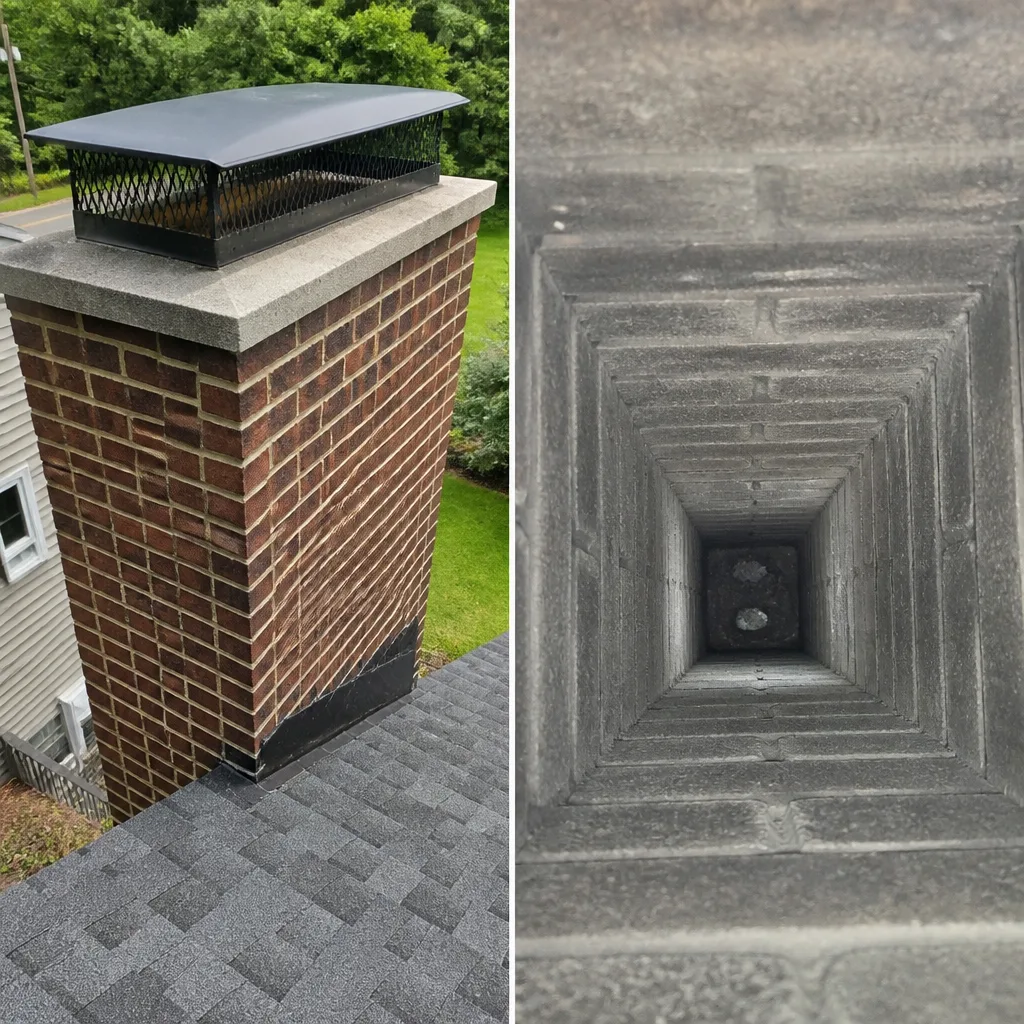
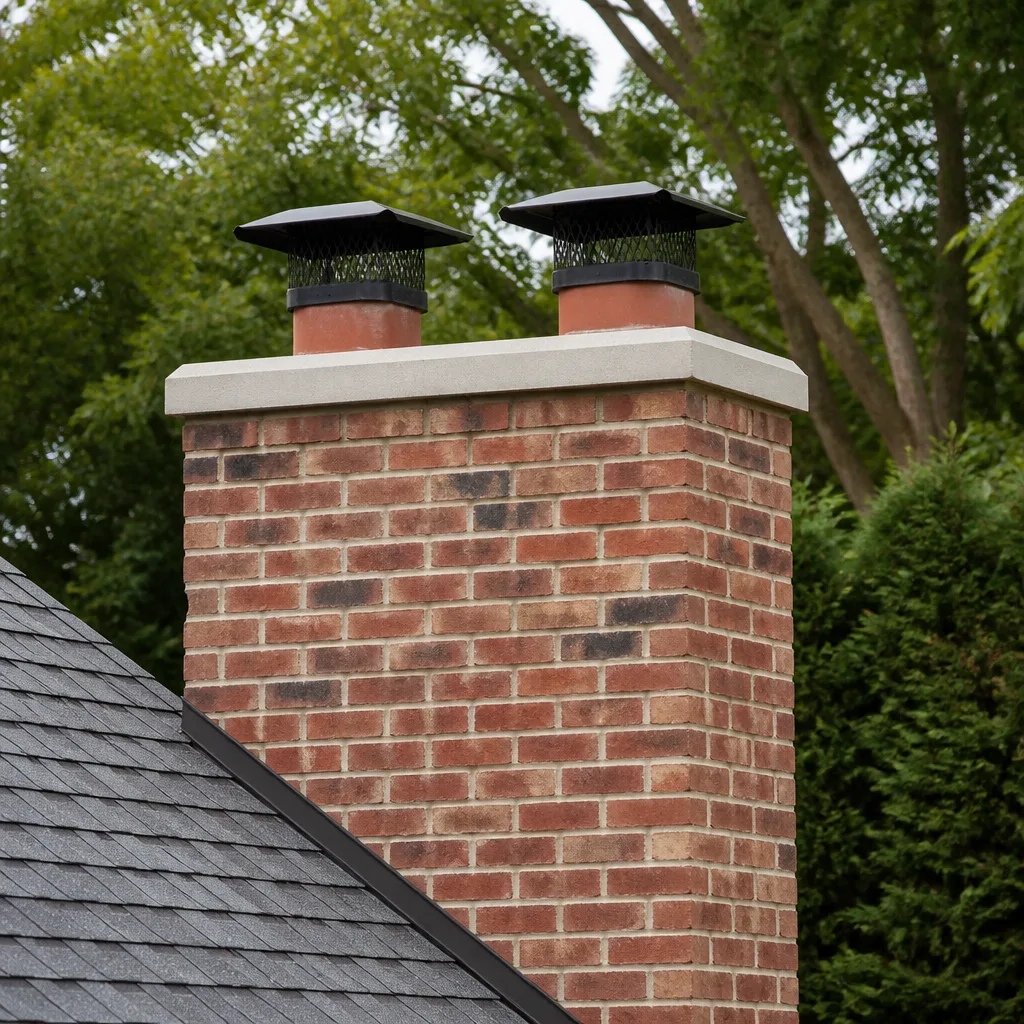
Flue relining
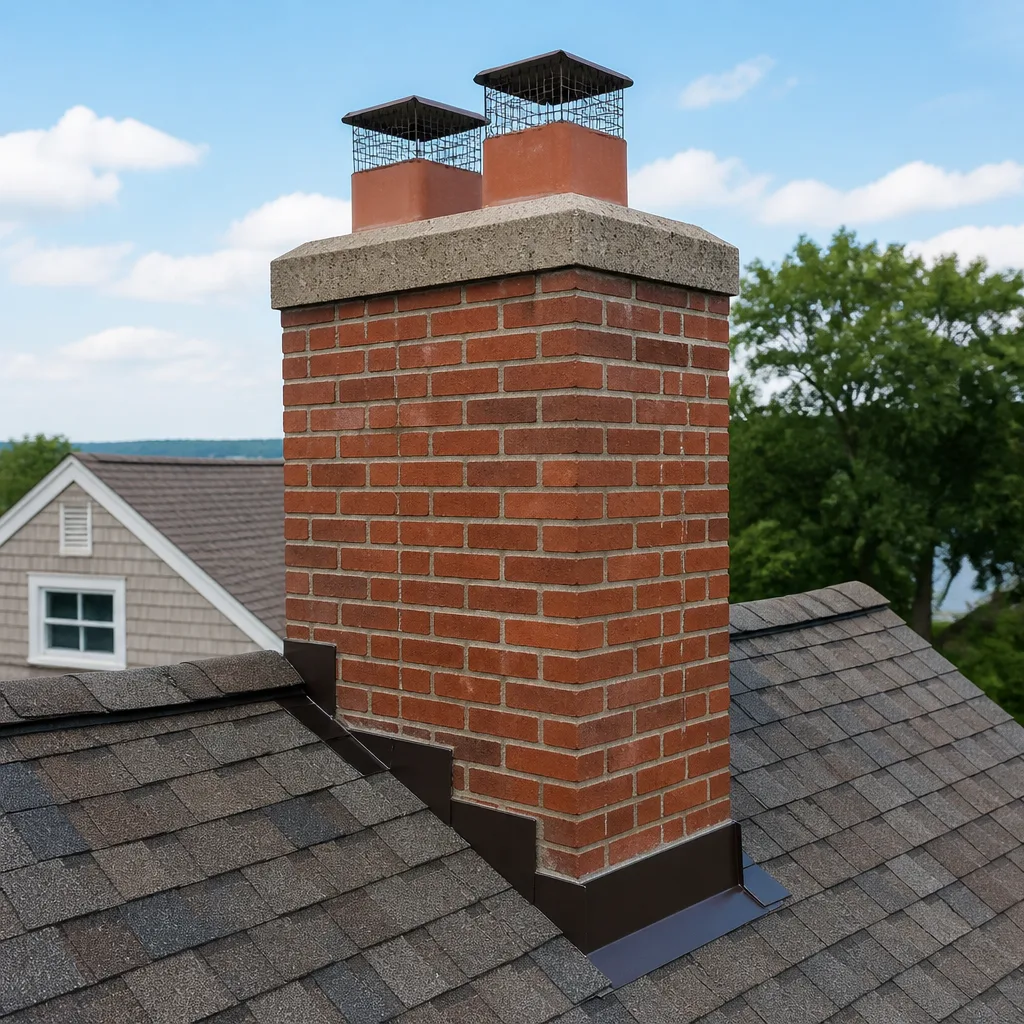
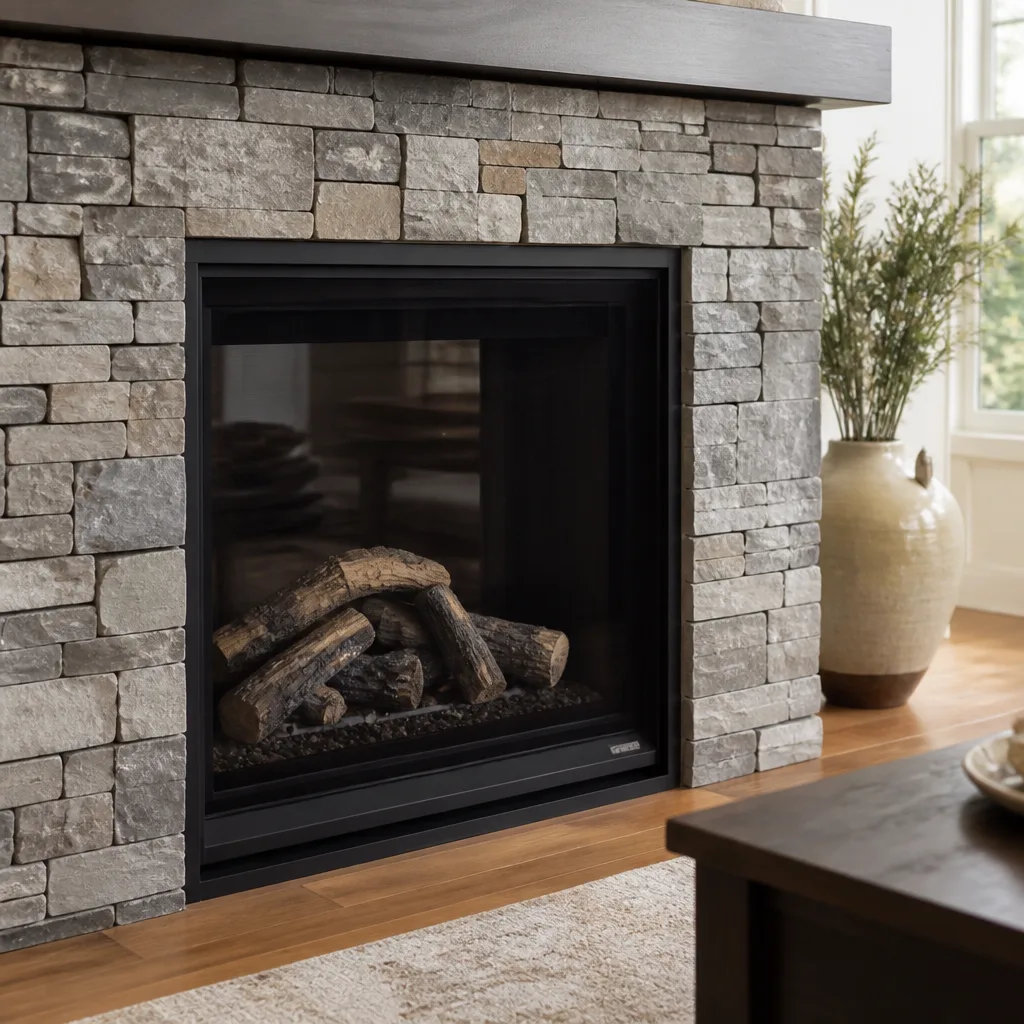
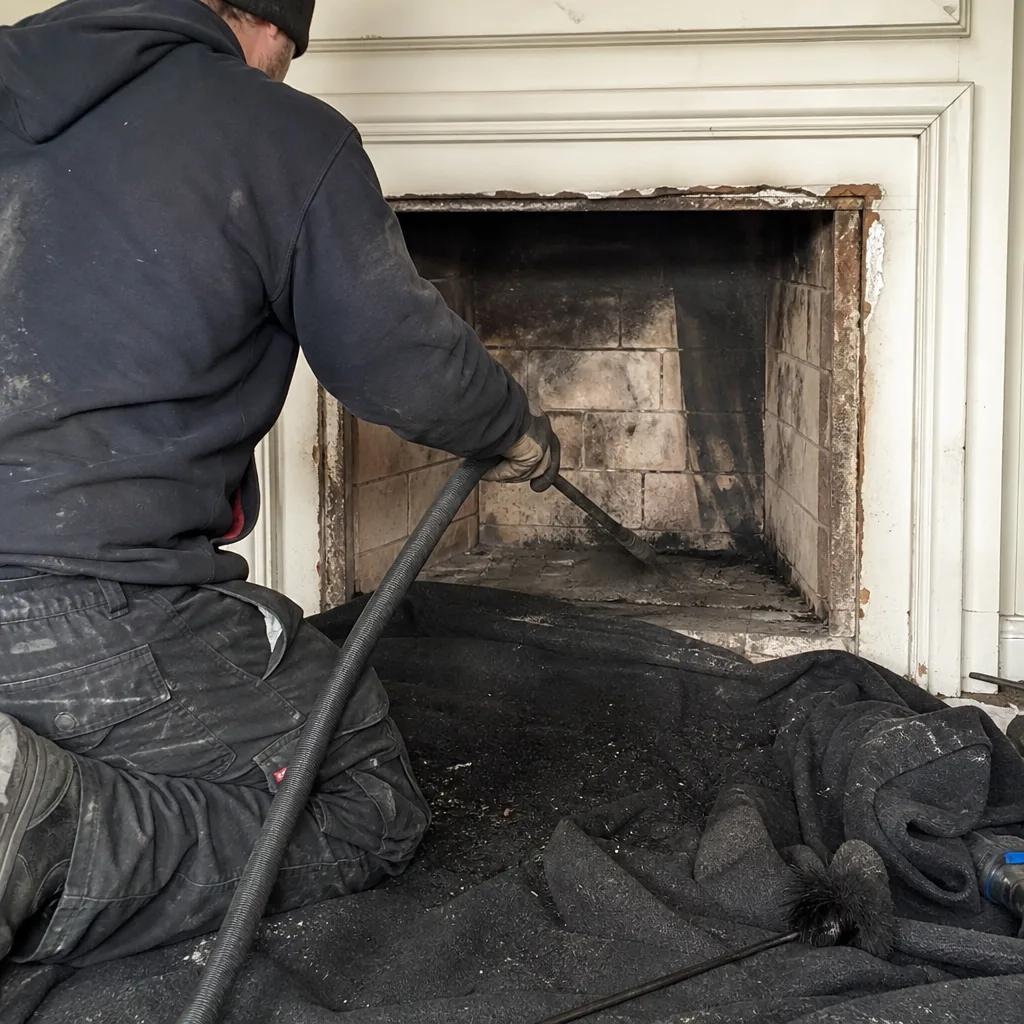 Before
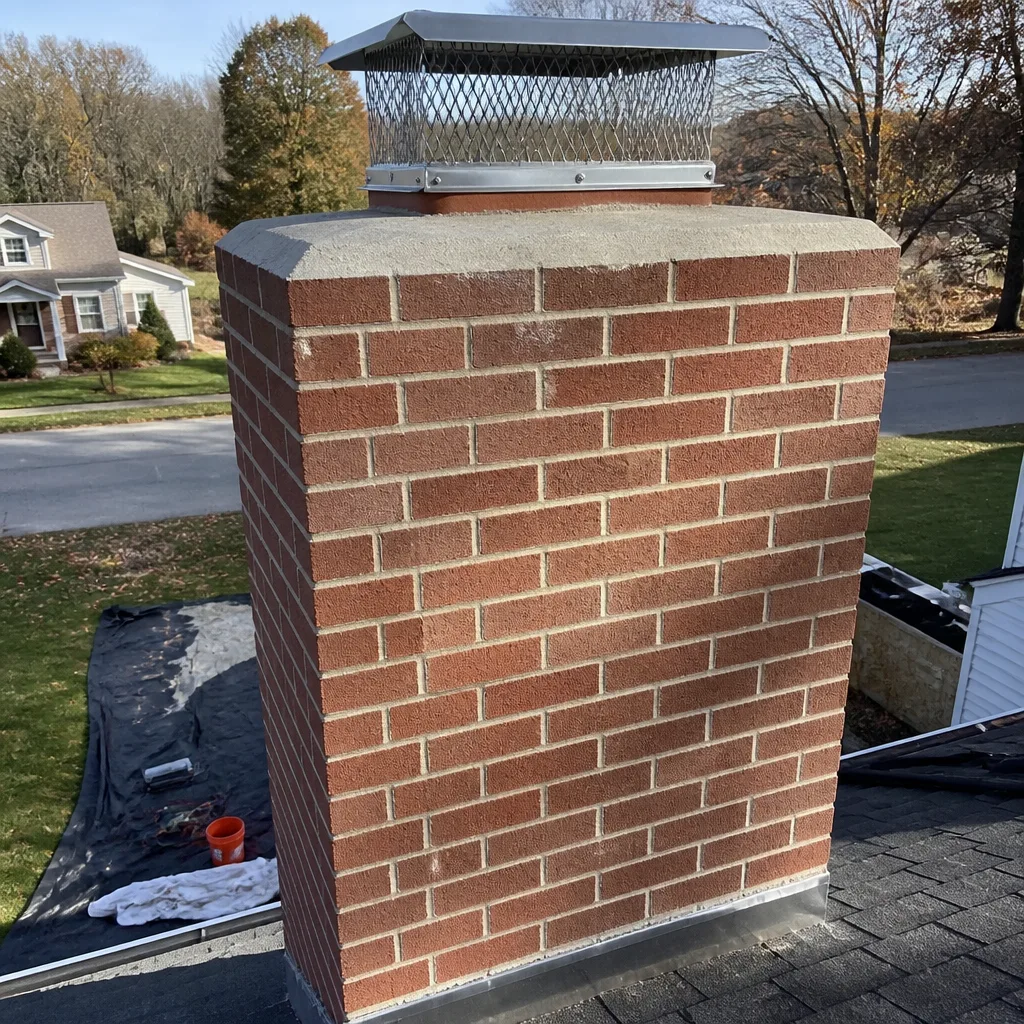 After
After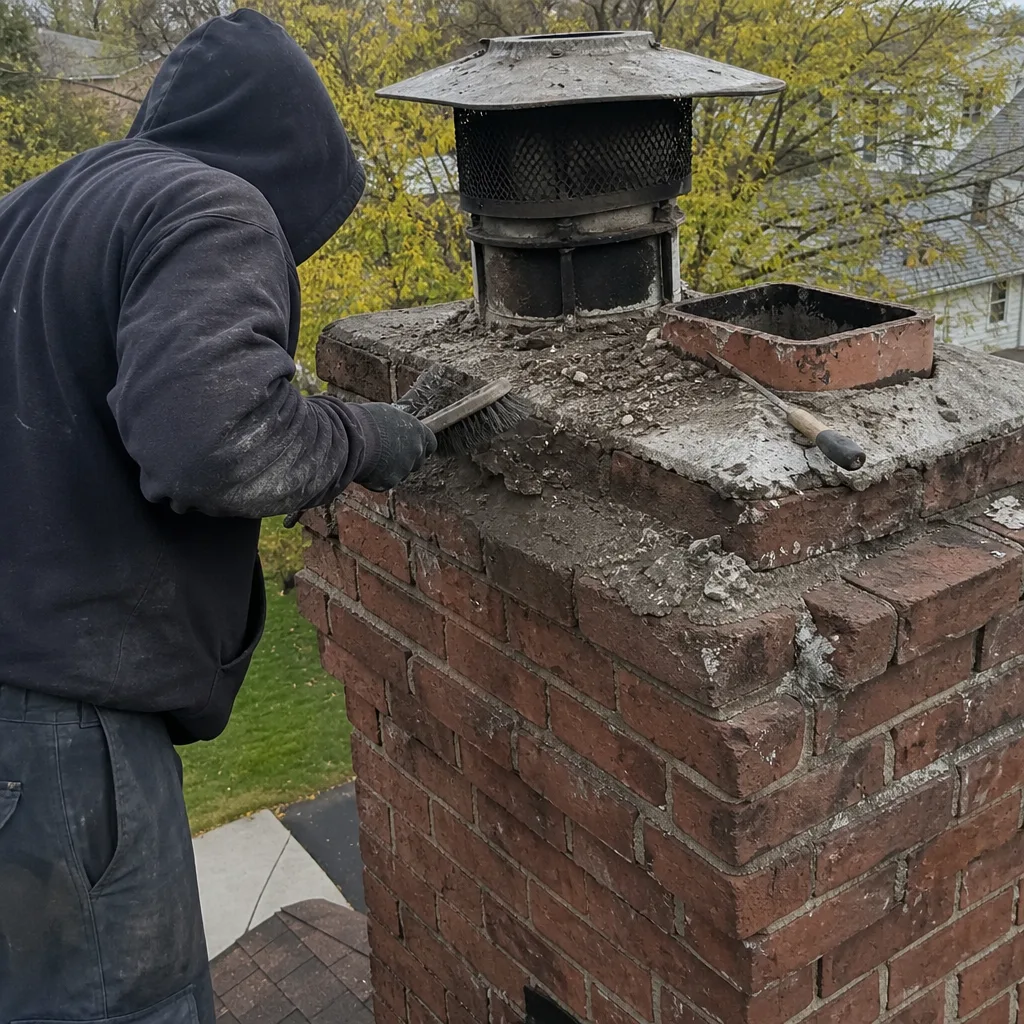 Before
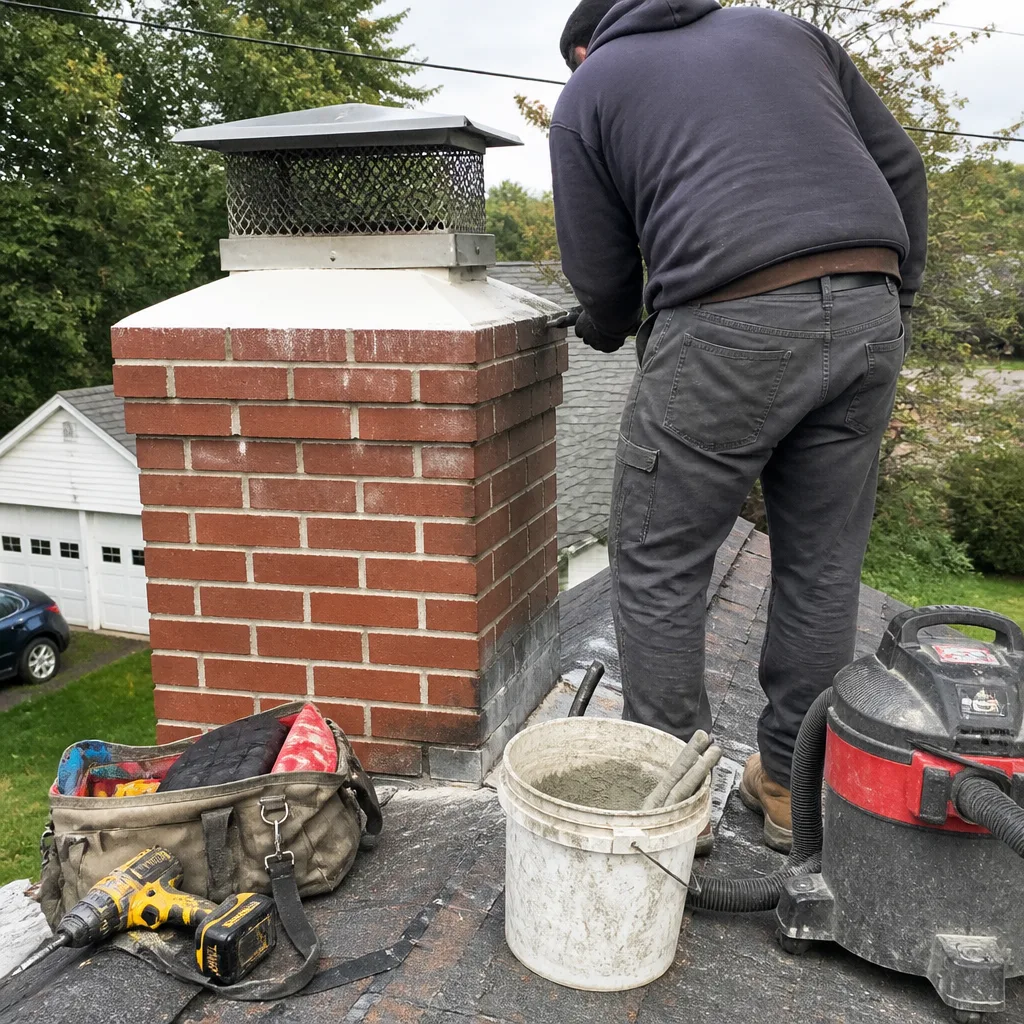 After
AfterChimney Cleaning Permits, Codes & Inspections in PA: What You Need to Know
A chimney relining job completed without a permit in Pennsylvania doesn’t just risk a fine - it can void your homeowner’s insurance coverage for a fire that starts in that flue. That’s the sentence most contractors leave out of the estimate. In Pottstown, where the housing stock runs heavy with pre-war brick colonials and mid-century ramblers built before modern flue standards, we’ve seen the aftermath: a homeowner sells, the buyer’s inspector pulls the permit history, and a $4,000 relining job becomes a $12,000 closing-credit negotiation. This guide draws the line clearly between routine chimney sweeping and permit-triggering work, explains what Pennsylvania’s Uniform Construction Code actually requires, and shows you how to protect your coverage and your equity - or explore more guides & resources on chimney safety.
Quick Answer
Most chimney cleaning and sweeping in Pennsylvania requires no permit because it is classified as routine maintenance, as outlined in our Complete Guide to Chimney Cleaning in Pottstown. However, chimney repairs, relining, rebuilds, and structural modifications do require permits under the Uniform Construction Code, and unpermitted work can void your homeowner’s insurance. In Pottstown and Montgomery County, permit applications go through the borough or township code office, with inspections required before the work is closed out.
Table of Contents
- When Are Permits Required for Chimney Work in Pennsylvania?
- How Pennsylvania’s Uniform Construction Code Applies to Chimneys
- Montgomery County and Pottstown Permit Procedures
- NFPA 211: The Standard Inspectors Actually Use
- The Insurance Risk of Unpermitted Chimney Repairs
- What Happens to Permit History When You Sell
- What Counts as Routine Maintenance (No Permit Needed)
- Common Mistakes to Avoid
- When to Call a Professional
- Frequently Asked Questions
- The Bottom Line
When Are Permits Required for Chimney Work in Pennsylvania?
Pennsylvania draws a sharp line between maintenance and modification. Understanding where your project falls saves you from red-tag delays, failed inspections, and the hidden cost of undoing finished work.
Permit-required work includes:
- Chimney relining or flue liner replacement, including chimney repair in Pottstown involving stainless steel or aluminum liners
- Structural rebuilds of the chimney stack, crown, or firebox
- Installation of new factory-built chimney systems or venting for inserts
- Modification of clearances to combustibles, including framing or mantel changes
- Repair or replacement of damaged flue tiles in masonry chimneys
- Installation of gas log sets requiring new venting or damper modifications
No permit required:
- Annual chimney sweeping and cleaning of soot, creosote, and debris
- Level 1 or Level 2 inspections without accompanying repair work
- Cap and spark arrestor installation on existing flues (in most jurisdictions)
- Fireplace door replacement with identical sizing
- Damper repair or replacement of like-for-like components
The distinction matters because many Pottstown homeowners book what they think is a routine chimney cleaning and sweep in Pottstown, only to discover during inspection that the terra cotta flue liner has cracked or shifted. At that point, the job crosses from maintenance into modification. A sweep who does not flag this permit requirement, or who offers to “just do it” without pulling the proper paperwork, is setting you up for problems you won’t discover until you need that documentation most.
In our experience across Montgomery County, the most common permit-triggering scenario is the cracked flue liner in a 1920s Pottstown brick colonial. The homeowner burns wood through three winters, the freeze-thaw cycles of Pennsylvania winters work the mortar joints, and a routine inspection reveals spalling tile or a shifted liner segment. The repair is not optional - an unlined or damaged flue is a genuine fire and carbon monoxide hazard. But the moment you install a new stainless steel liner from DuraFlex or a cast-in-place system from HeatShield, you are performing regulated construction work.
How Pennsylvania’s Uniform Construction Code Applies to Chimneys
Pennsylvania operates under the Uniform Construction Code (UCC), adopted in 2004 and updated on a three-year cycle to track the International Code Council’s model codes. The UCC applies statewide, but local municipalities administer it through their own code offices. This creates variation in how strictly chimney work is tracked, even though the underlying requirements are uniform.
Key UCC provisions affecting chimney work:
- IRC Chapter 10 governs masonry and factory-built chimneys, including minimum wall thicknesses, height above roof penetrations, and clearance to combustibles. In Pottstown’s older homes, existing chimneys often predate these standards. The UCC does not require grandfathered chimneys to be brought into compliance unless they are modified - but modification triggers full current-code compliance.
- IRC Section R1001 specifies that masonry chimneys must be lined with approved materials: flue liners meeting ASTM C315, listed chimney lining systems, or equivalent. An unlined chimney is not code-compliant for new use, and relining it requires a permit.
- IFGC Chapter 5 applies to gas venting systems, including direct-vent and B-vent installations common in Pottstown’s 1950s and 1960s ranch homes. Gas liner installations and conversions require permits under this chapter.
- Energy Conservation Code provisions affect chimney work when exterior sealing or insulation is modified, particularly in energy retrofit projects.
The critical phrase in UCC administration is “repair versus replacement.” Pennsylvania code officials generally interpret like-for-like repair of existing components as maintenance. Replacing a damaged flue tile with an identical tile in the same position usually requires no permit. Installing a continuous stainless steel liner where none existed before is replacement, not repair, and triggers full permitting.
We’ve worked with Pottstown’s code office enough to know their inspectors are thorough but fair. They want to see proper liner sizing calculations, adequate clearance documentation, and manufacturer installation instructions for listed products like DuraFlex or Olympia Chimney components. Bring that paperwork, and inspections move smoothly. Skip it, and you risk a failed inspection that delays your burning season.
Montgomery County and Pottstown Permit Procedures
Montgomery County does not operate a county-level building department for municipal building permits. Each borough and township handles its own UCC administration. For Pottstown residents, this means working directly with the Borough of Pottstown Codes Department.
The Pottstown permit process for chimney work:
- Application submission. The homeowner or contractor completes a building permit application, available at the borough office on High Street or through their online portal. The application requires a detailed scope of work, contractor license information, and proposed materials.
- Plan review. For liner installations and structural repairs, the code office reviews manufacturer specifications and liner sizing calculations. This typically takes 5-10 business days, though simple cap or crown repairs may qualify for over-the-counter permits.
- Permit issuance and fee payment. Pottstown’s permit fees for chimney work typically run based on project valuation. A standard relining job permit might cost $150-$300, with additional fees for plan review if engineering documentation is required.
- Inspection scheduling. The borough requires inspection at rough-in (liner installation complete, before closure) and final (fireplace surround complete, system operational). Inspections must be scheduled 24-48 hours in advance.
- Final approval and certificate of completion. Once the inspector signs off, the permit is closed. This documentation should be retained with your home records indefinitely.
Adjacent municipalities follow similar procedures with local variation. Limerick Township, Douglass Township, and West Pottsgrove each maintain their own code offices. If you live near the borough line, confirm which jurisdiction applies - we’ve seen homeowners assume Pottstown codes when their property actually falls under township administration.
One Pottstown-specific consideration: the borough’s historic district overlay. Properties in the designated historic area, including portions of High Street and Charlotte Street, face additional review for exterior-visible chimney modifications. A crown rebuild with matching brick may require Historic Architectural Review Board consultation. This adds 2-4 weeks to the timeline but rarely blocks appropriate repairs. We’ve navigated this process for homeowners on Franklin Street and Walnut Street; the key is early engagement with both the codes office and HARB.
NFPA 211: The Standard Inspectors Actually Use
The National Fire Protection Association’s Standard for Chimneys, Fireplaces, Vents, and Solid Fuel-Burning Appliances - NFPA 211 - is the reference document Pennsylvania inspectors and insurance adjusters actually pull from when evaluating chimney safety. It is not a building code with legal force on its own, but the UCC incorporates it by reference, and professional chimney sweeps treat it as the operational standard.
What NFPA 211 compliance looks like in a practical Pottstown inspection:
- Clearance to combustibles: Masonry chimneys must maintain 2 inches of clearance from wood framing. In Pottstown’s balloon-framed Victorians and post-war tract homes, we’ve found contact or near-contact between chimney shoulders and wall studs. This is a common finding that triggers repair requirements.
- Flue liner integrity: Terra cotta liners must be free of cracks, gaps, or displacement exceeding 1/16 inch. A cracked liner in a High Street twin home, for example, fails this standard and requires relining before safe use.
- Creosote accumulation: Glazed creosote exceeding 1/8 inch thickness requires removal before continued use. Pennsylvania’s hardwood-burning culture - oak and maple are abundant in Montgomery County - produces dense, high-temperature creosote that glazes readily.
- Chimney height and draft: The standard specifies minimum 3-foot height above roof penetration and 2-foot height above any portion of building within 10 feet. Pottstown’s hilly terrain and varied rooflines create frequent violations of the 10-foot horizontal clearance rule.
- Factory-built chimney and fireplace listings: Any replacement component must be from the original manufacturer or a listed compatible part. We use Gelco and Famco caps and components specifically because they carry the listings inspectors recognize.
NFPA 211 also defines the three levels of inspection. A Level 1 inspection, included in routine fireplace services in Pottstown, is visual and accessible-surface only. Level 2, which we perform with camera equipment whenever a property changes hands or after a chimney fire, examines internal flue surfaces and accessible portions of the structure. Level 3 involves demolition of building components and is reserved for serious hazard investigations.
The camera inspection is where our process differs from competitors who still work by flashlight and mirror. Our Level 2 inspections end with photos you can see and a plain-English verdict - documented like an engineer, explained like a craftsman. When an inspector or insurance adjuster later asks for documentation, you have dated, geotagged images of flue conditions rather than a handwritten note saying “looks okay.”
The Insurance Risk of Unpermitted Chimney Repairs
This is the section most chimney contractors avoid because it makes their own shortcut practices look irresponsible. We’re going to be direct about it because we’ve seen the consequences.
Standard Pennsylvania homeowner’s insurance policies contain exclusions for damage resulting from “faulty, inadequate, or defective construction, repair, or renovation.” The specific language varies by carrier - Erie, State Farm, Allstate, and Nationwide each draft slightly differently - but the core concept is consistent: if you knew or should have known that work was defective or non-compliant, the insurer can deny coverage for resulting damage.
How unpermitted chimney work triggers this exclusion:
- Knowledge imputation. Pennsylvania courts have held that failure to obtain required permits can constitute constructive knowledge of non-compliance. You “should have known” the work required a permit, and your failure to obtain one suggests you also failed to ensure code compliance.
- Documentation gap. Permits create a paper trail of inspection and approval. Without that trail, an insurer’s adjuster has no independent verification that the liner was properly sized, properly installed, and properly clearanced. The burden shifts to you to prove the work was correct - and “a guy did it” is not sufficient documentation.
- Subrogation against contractors. If your insurer does pay a claim, they may pursue your contractor for recovery. An unlicensed, unpermitted contractor often lacks the insurance or assets to satisfy a subrogation claim, leaving you exposed to personal liability or policy non-renewal.
In 2019, we were called to a Pottstown home on Manatawny Street where a chimney fire had spread to the attic. The homeowner had hired a cut-rate sweep two years prior for a “liner special” that was never permitted or inspected. The insurer denied the $47,000 fire damage claim, citing the unpermitted modification exclusion. The sweep had dissolved his LLC and moved to Florida. The homeowner paid for repairs from retirement savings.
This is not scare-selling. It is a specific, documented risk that Pennsylvania homeowners face when they prioritize speed and savings over proper permitting. The permit costs $200. The inspection takes an hour. The documentation protects your coverage for the decades you intend to stay in your home.
What Happens to Permit History When You Sell
Pottstown’s real estate market has tightened, and buyer scrutiny has intensified accordingly. Where a chimney inspection was once a checkbox on a general home inspection, we now see dedicated chimney inspections requested routinely, particularly for homes built before 1980.
The permit trail a buyer’s inspector will check:
- Municipal permit databases, increasingly searchable online through Montgomery County’s regional systems
- Property disclosure statements, where Pennsylvania law requires sellers to report known defects and unpermitted work
- Visual inspection for signs of recent work that lacks permit documentation - new liner installations are particularly obvious to trained eyes
- Insurance claims history through the Comprehensive Loss Underwriting Exchange (CLUE), which reveals prior fire or smoke damage claims
When permit gaps appear, buyers have leverage. The typical negotiation in Pottstown’s current market runs $3,000-$8,000 for unpermitted liner work, often with a requirement that the seller obtain retroactive permits and inspections before closing. Retroactive permitting is possible in most Montgomery County jurisdictions, but it requires opening walls or accessing concealed components that finished work has covered. The cost routinely exceeds original permitting by a factor of three.
We’ve worked with listing agents in Pottstown to pre-clear permit documentation before properties hit market. A binder with closed permits, inspection approvals, and our photo documentation from original installation eliminates negotiation leverage and accelerates closing. For homeowners who intend to stay put, the same documentation protects against future insurance disputes and provides clear maintenance history for the next generation of owners.
The bottom line for Pottstown’s long-tenured homeowners: permits are not bureaucratic nuisance. They are property value protection, documented in a form that transfers cleanly to any future owner.
What Counts as Routine Maintenance (No Permit Needed)
Not every chimney interaction involves bureaucracy. Understanding the maintenance category clearly saves you from over-permitting and from contractors who inflate project scope unnecessarily.
Unambiguously routine - no permit required anywhere in Pennsylvania:
- Annual sweeping to remove creosote, soot, and obstructions
- Level 1 or Level 2 inspection without repair
- Fireplace cleaning, glass door cleaning, and ash removal
- Damper lubrication and adjustment
- Replacement of worn gaskets on fireplace doors or inserts
- Installation of standard chimney caps on existing flues (check local ordinance - Pottstown requires no permit, some townships do)
Routine but with local variation:
- Crown sealing with flexible sealants like CrownSeal or similar products - most jurisdictions treat this as maintenance, but some classify crown coating as repair if cracks exceed certain dimensions
- Firebrick replacement in factory-built fireplaces - manufacturer-listed parts typically qualify as maintenance; custom fabrication may trigger permitting
- Smoke chamber parging with approved refractory materials - the line between surface restoration and structural modification varies by inspector interpretation
Our $89 Seasonal Tune-Up falls entirely in the no-permit category. It includes sweeping, Level 1 inspection, damper check, and basic component assessment. If we find conditions requiring permit work, we document them with photos, explain the permit requirement plainly, and provide a separate estimate for the regulated portion. No surprises on the bill, and no permit work performed without your explicit understanding of the requirement.
For Pottstown homeowners in neighborhoods like Ringing Rocks, Cedarville, or the North End, where homes range from 1890s twins to 1970s splits, the maintenance-versus-modification line falls in different places depending on construction era and prior work history. We’ve swept chimneys in Ringing Rocks cottages where the original unlined brick flue has functioned safely for 120 years with proper maintenance. We’ve also found 1980s “updates” in Cedarville colonials where unlisted, improperly sized liners create immediate hazards. The inspection determines the category, not the calendar or the neighborhood reputation.
Common Mistakes to Avoid
- Assuming all chimney work is maintenance. The relining job your neighbor got without a permit was not legal maintenance - it was unpermitted modification that may surface at their next sale or claim. Don’t let their shortcut become your standard.
- Hiring a sweep who cannot or will not pull permits. In Pennsylvania, any contractor performing permit-required work must be registered with the Attorney General’s Office and carry appropriate insurance. A sweep who “doesn’t deal with permits” is advertising that they operate outside regulatory compliance.
- Starting work before permit approval. Pottstown’s code office will red-tag active work started without permit, requiring exposed inspection of completed components. The cost of opening finished work exceeds the permit fee many times over.
- Discarding permit documentation. Keep closed permits with your deed and title insurance documents. Digital copies are acceptable but backup to physical storage. We’ve seen homeowners unable to prove compliant work because they “cleaned out the file cabinet” five years prior.
- Accepting verbal assurance that work “meets code.” Code compliance for regulated work is proven by inspection sign-off, not contractor assertion. Any sweep who resists inspection involvement should be viewed with appropriate skepticism.
- Neglecting to transfer permit compliance to buyers. Pennsylvania’s property disclosure requires known unpermitted work to be reported. Concealing permit gaps exposes sellers to post-closing liability and potential rescission.
- Confusing manufacturer warranty with code compliance. A DuraFlex or HeatShield liner carries a product warranty, but that warranty does not substitute for municipal inspection and approval. Both protections operate independently, and you want both.
When to Call a Professional
Call a certified chimney professional when inspection reveals liner damage, when you’re converting fuel types (wood to gas or vice versa), when buying or selling a home, or when your chimney has suffered weather damage, seismic shifting, or chimney fire exposure. In Pottstown’s climate, with freeze-thaw cycles that begin in November and run through March, annual inspection is prudent maintenance even when no symptoms appear.
Hearthstone Chimney Co. offers free estimates in Pottstown - call (610) 819-4281. We’ll assess your chimney’s condition, identify any permit requirements before work begins, and document everything with photos you can see and a plain-English verdict. Our background-checked, uniformed technicians complete most jobs in a single visit, with no-hassle upfront pricing. The number on the estimate is the number on the invoice. And every job is backed by our 90-Day Done Right Promise - in writing, no arguing.
Frequently Asked Questions
No. Routine chimney sweeping and cleaning are classified as maintenance and require no permit under Pennsylvania’s Uniform Construction Code. However, if inspection reveals damage requiring liner replacement, structural repair, or modification, those subsequent repairs do require permits. Call (610) 819-4281 for a free estimate if you’re unsure where your project falls.
Our Seasonal Tune-Up is $89 and includes sweeping, Level 1 inspection, and component check. Repair work requiring permits is estimated separately with no-hassle upfront pricing - the number on the estimate is the number on the invoice. We also offer $50 off any repair over $250 and a permanent 5% senior and veteran discount.
Pennsylvania law requires disclosure of known unpermitted work on the property disclosure statement. Buyers’ inspectors increasingly check municipal permit databases, and unpermitted chimney modifications routinely trigger $3,000-$8,000 closing credits or repair demands. Retroactive permitting is possible but typically requires opening finished work at substantially higher cost than original compliance.
NFPA 211 recommends annual inspection, with sweeping frequency determined by use and fuel type. In Pottstown, where hardwoods like oak and maple produce dense creosote, active wood-burning fireplaces typically need annual sweeping. Gas fireplaces require less frequent cleaning but still benefit from annual inspection of venting and components.
Licensed contractors registered with the Pennsylvania Attorney General’s Office can pull permits on behalf of homeowners. At Hearthstone Chimney Co., we handle permit applications as part of our project management for any permit-required work. The permit is issued in your name as property owner, with our contractor license referenced, ensuring clear documentation chain.
Accumulated creosote creates chimney fire risk - temperatures exceeding 2,000 degrees that can crack liners and penetrate to framing. Blocked or damaged flues can backdraft carbon monoxide into living spaces. In Pottstown’s older housing stock, where many chimneys serve furnaces and water heaters as well as fireplaces, the hazard extends beyond the hearth to whole-house exposure. Annual inspection catches these conditions before they become emergencies. Call (610) 819-4281 to schedule.
The Bottom Line
Pennsylvania chimney work sorts cleanly into two categories: maintenance that needs no permit, and modification that absolutely does. The mistake homeowners make is not knowing which category their project occupies, or hiring contractors who blur the line for convenience. In Pottstown and across Montgomery County, proper permitting protects your insurance coverage, your property value, and your peace of mind when it’s time to sell. The documentation costs little and saves enormously. Done right - and we stand behind it - means done with the paperwork that proves it.
Written by Russell Haines, Owner at Hearthstone Chimney Co., serving Pottstown since 2014.