
Last updated September 10, 2026
Level 1 sweep and inspection to the NFPA 211 annual standard - flue, crown, cap, and flashing checked and photographed
Chimney sweep logs do not sweep chimneys. They loosen some creosote - which then falls where a brush and vacuum still have to collect it.
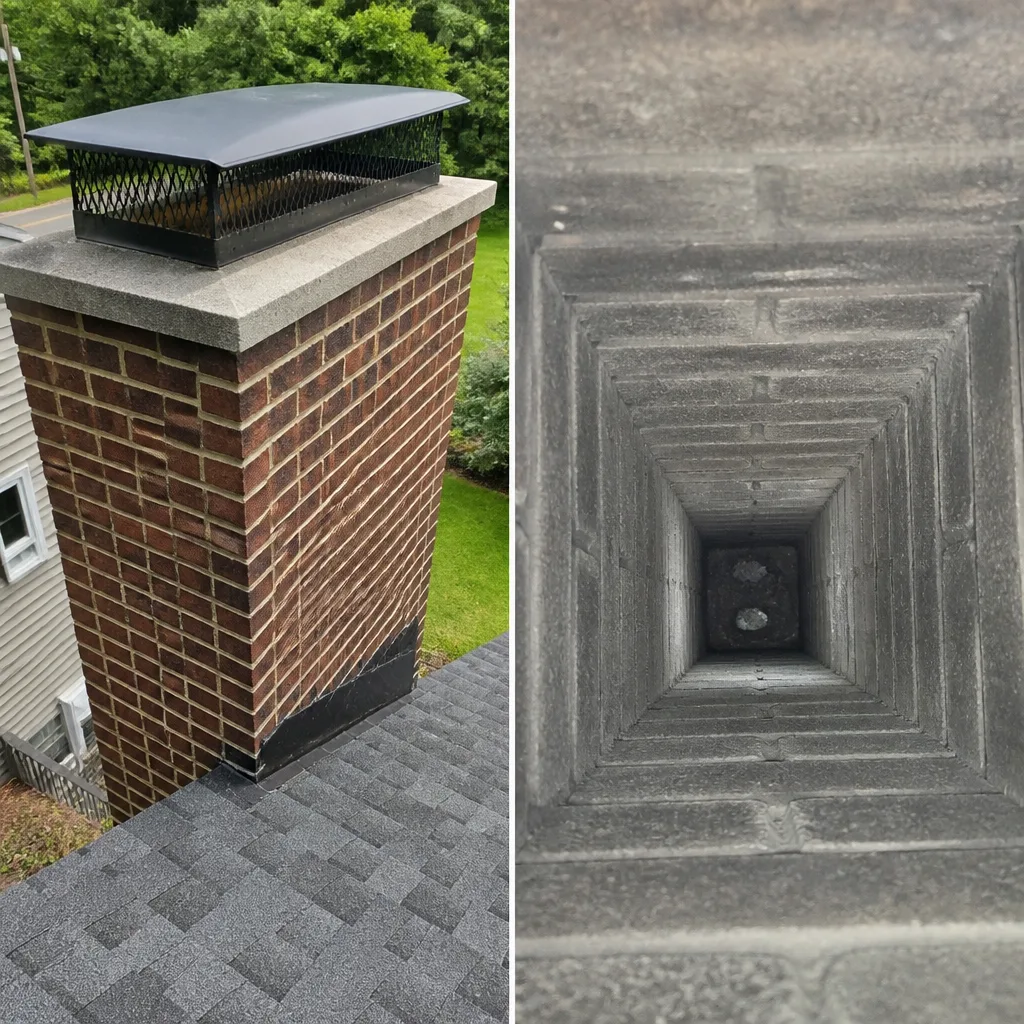
Flue relining
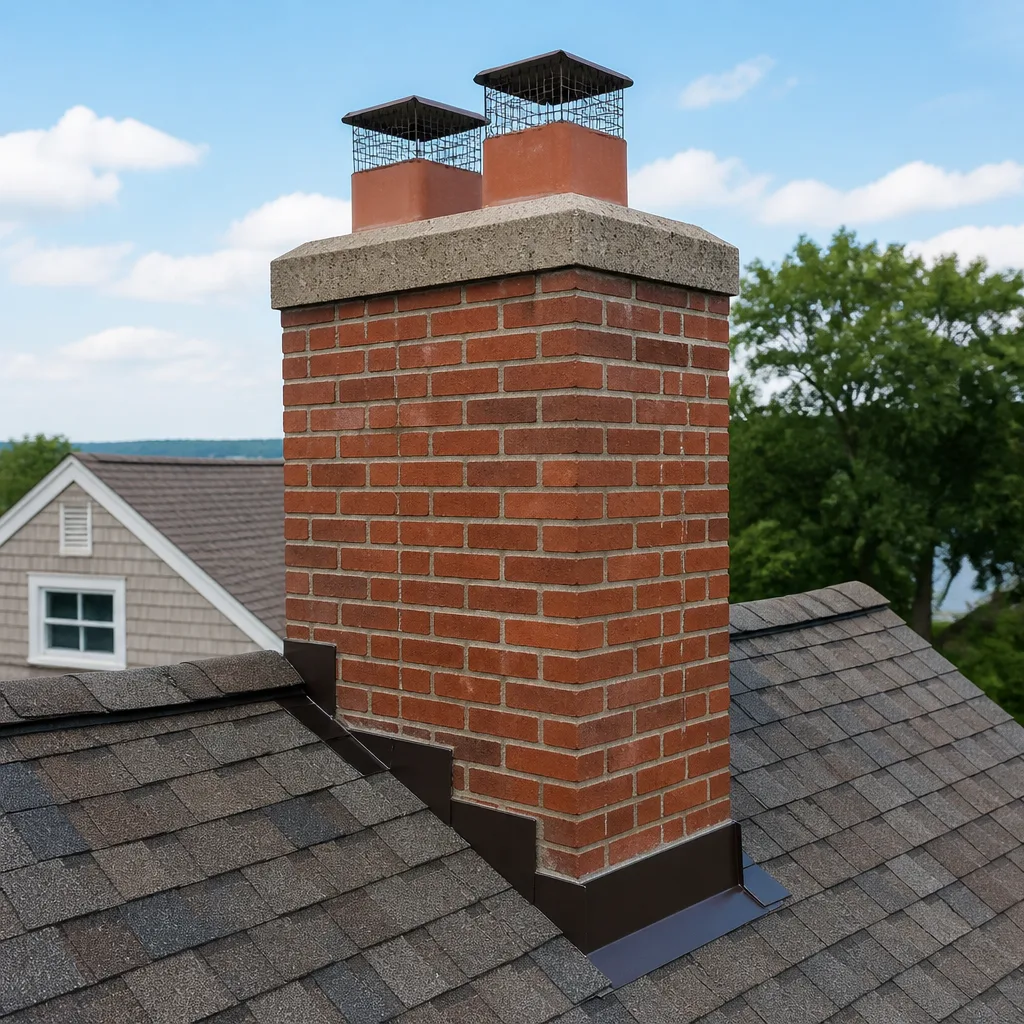
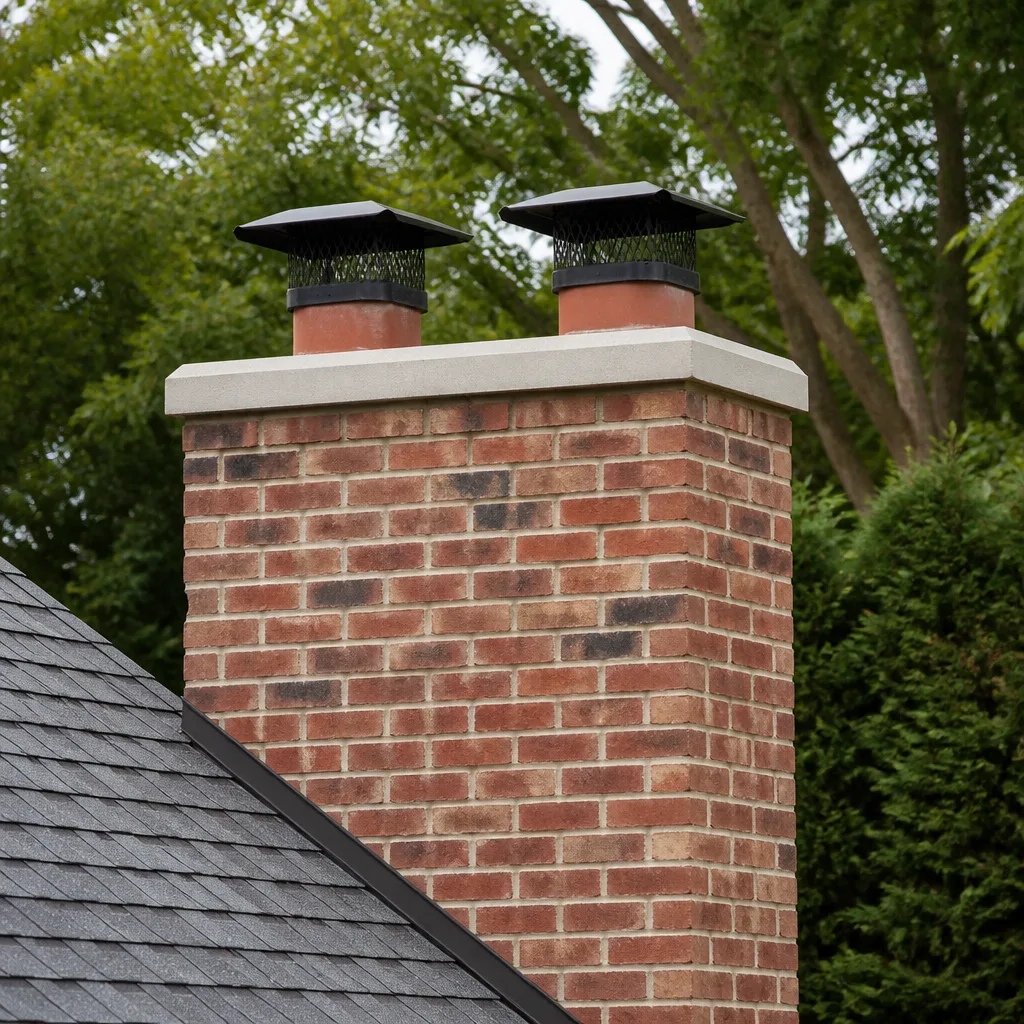
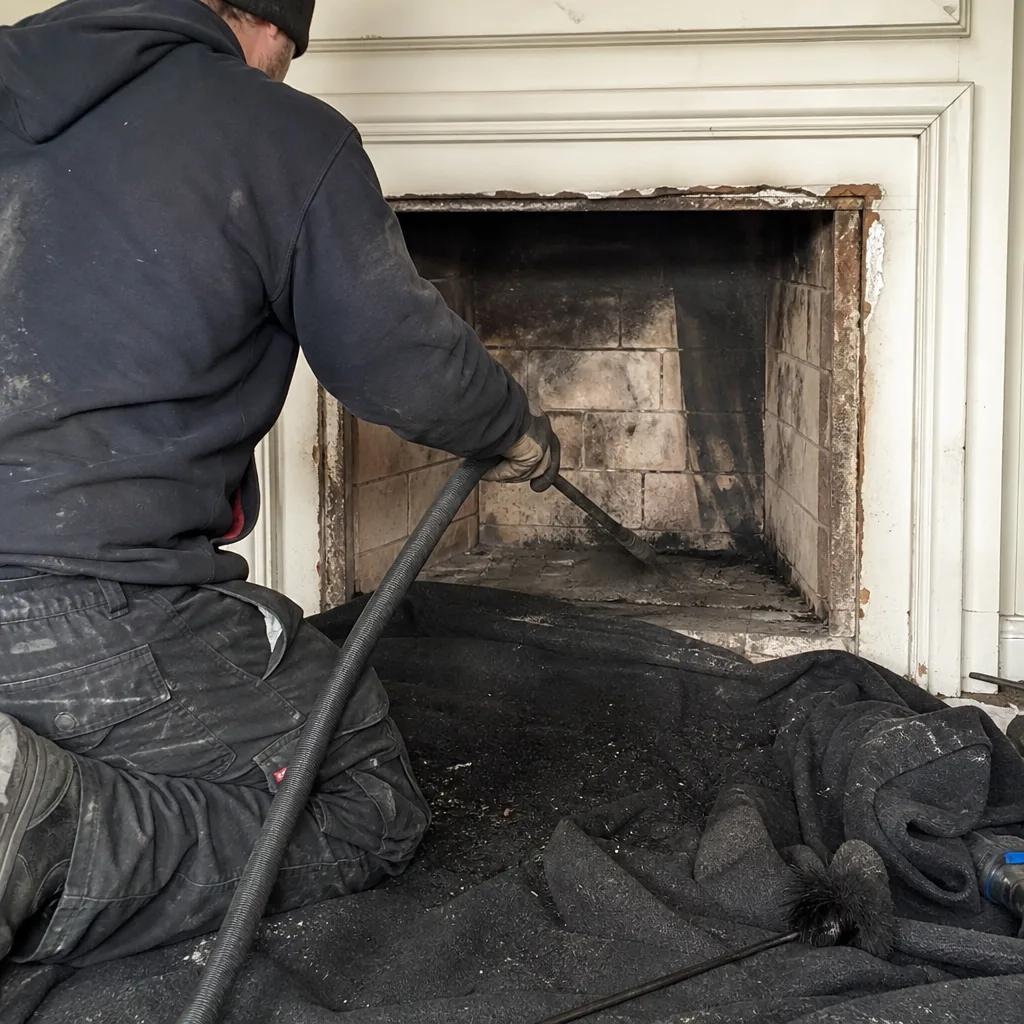 Before
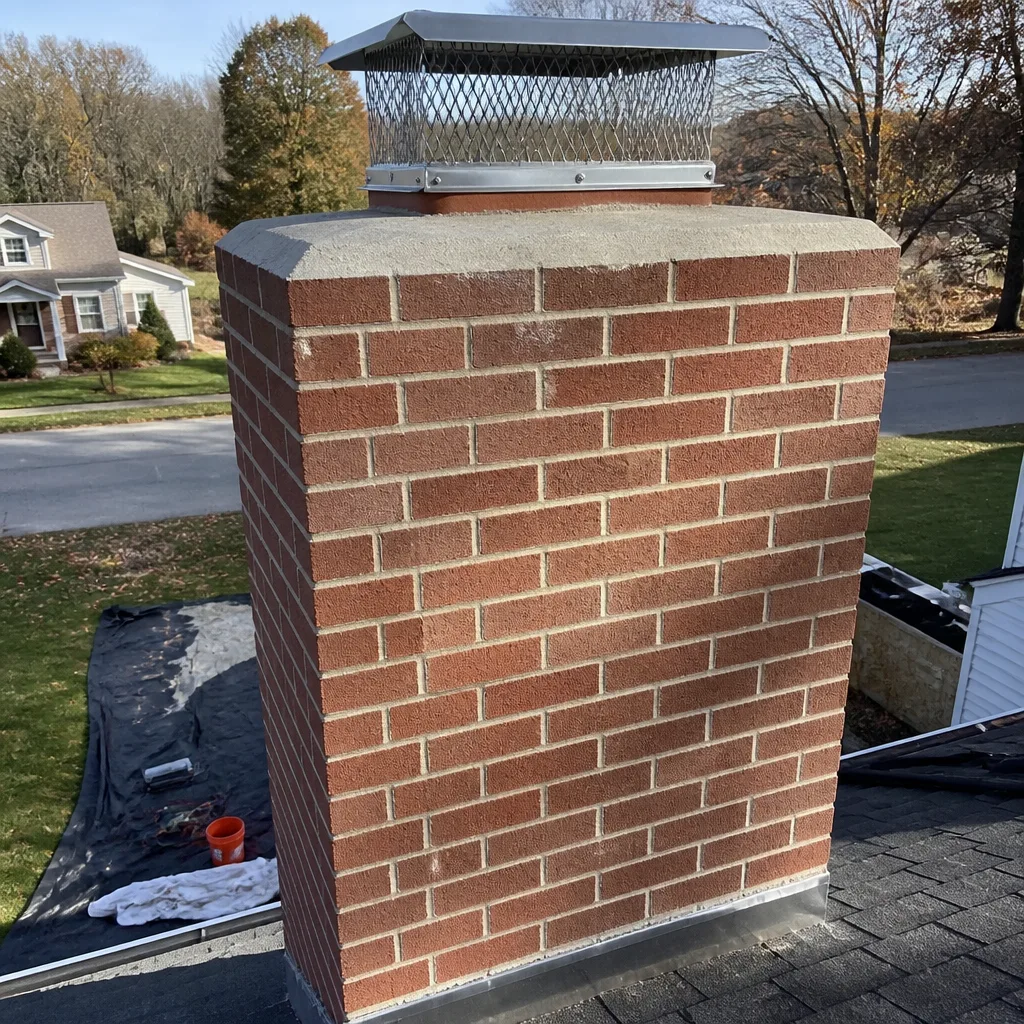 After
After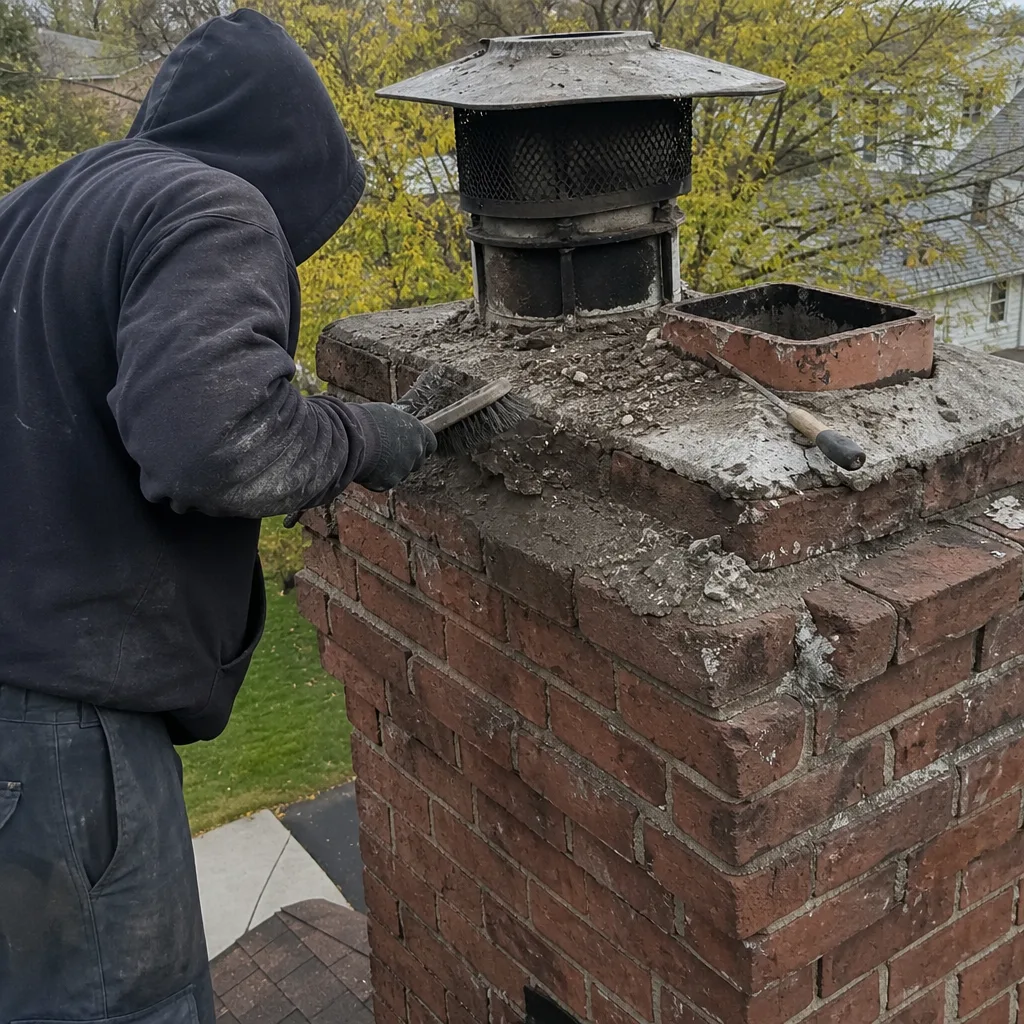 Before
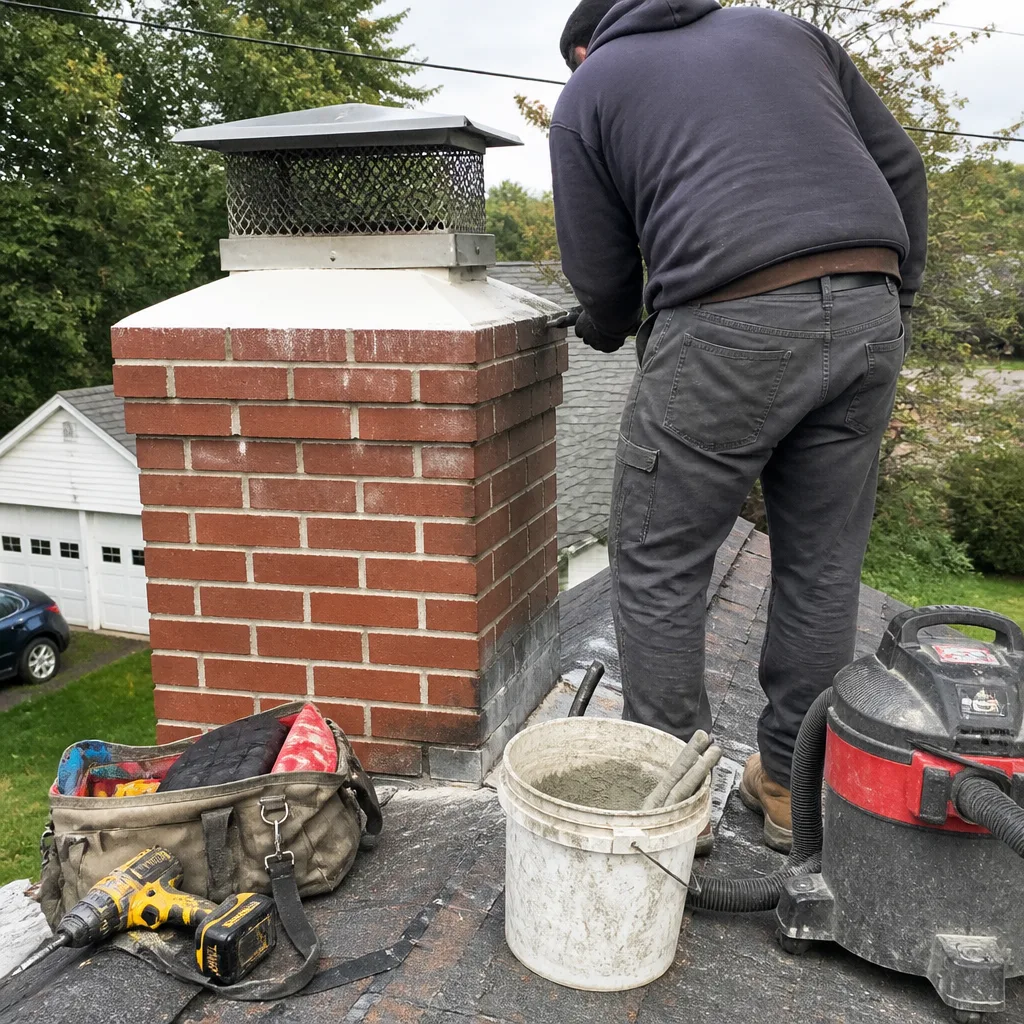 After
AfterChimney Cleaning Warning Signs: A Pottstown Homeowner’s Reference Guide
A white stain on your chimney’s exterior brick is called efflorescence. Most homeowners in Pottstown think it’s cosmetic. It’s actually water moving through your masonry, and by the time you can see it outside, it’s already been working on the inside for longer than you’d want to know. We’ve been sweeping chimneys in this market for over 42 years, and the pattern never changes: the problems that cost $3,000 to fix started as signs someone noticed and talked themselves out of for two seasons. This guide names those details plainly, tells you what each one means structurally, and separates the ones that can wait from the ones that mean you shouldn’t light another fire until a sweep looks at it. For how to hire a chimney cleaning contractor in Pottstown, see our step-by-step guide.
Quick Answer
The most common chimney warning signs Pottstown homeowners should watch for are: white or green stains on exterior brick (efflorescence or algae, indicating water intrusion), crumbling mortar or missing bricks, smoke backing up into rooms, a persistent cold draft even when the damper is closed, and a strong campfire-like odor during humid summer days. Exterior signs visible from the ground typically indicate masonry or crown issues, while interior signs like wall stains near the chimney chase or sudden draft changes often point to liner deterioration or hidden leaks. Any sign accompanied by visible smoke leakage, a rusted damper, or a strong sulfur smell means stop using the fireplace and call for inspection before the next burn.
Table of Contents
- Eight Exterior Warning Signs Visible from the Ground
- Interior Warning Signs That Trace Back to Chimney Problems
- Schedule Soon vs. Stop Burning: A Warning Sign Urgency Scale
- Why Pottstown Homes Built 1940-1970 Show Different Warning Signs
- How to Describe a Warning Sign to a Sweep Over the Phone
- What a Proper Maintenance Timeline Looks Like
- Common Mistakes to Avoid
- When to Call a Professional
- Frequently Asked Questions
Eight Exterior Warning Signs Visible from the Ground
We’ve ranked these by urgency, not alphabetically. The ones at the top can develop slowly. The ones at the bottom mean something is actively failing.
8. Faded or Missing Chimney Cap
A chimney cap keeps rain, animals, and debris out of your flue. When it’s missing or visibly damaged, water has a direct path. In Pottstown, where we see 42 to 46 inches of annual rainfall and freeze-thaw cycles from November through March, an uncapped flue will accumulate moisture that accelerates creosote buildup and begins rusting metal components. This is a “schedule soon” issue, not an emergency, but it shouldn’t sit through another winter. We install caps from Famco and Copperfield that are sized to the flue, not generic hardware-store fits that blow off in the first March wind.
7. Green or Black Staining on North-Facing Brick
This is algae or mildew, and it means the brick stays wet. It happens most on chimneys shaded by mature oaks, which are common in the older neighborhoods near High Street and the borough’s east side. Persistent moisture breaks down the hard-fired exterior of historic brick, leading to spalling, the flaking you see when the face of a brick pops off. Green staining means your masonry is spending too much time damp. A water-repellent treatment can help, but only after the source of the moisture is found.
6. Efflorescence (White Powdery Stains)
Here’s the sign that opens this guide. Efflorescence is salt left behind when water moves through masonry and evaporates at the surface. It means water is getting in at the crown, the flashing, or through porous brick. In Pottstown’s clay-heavy soils, foundation settling can stress chimney structures and open hairline cracks that water exploits. The white stain itself brushes off, but it returns because the water path remains. We’ve seen efflorescence on chimneys in West Pottsgrove that looked minor outside while the interior flue liner had cracked from freeze-thaw damage the homeowner couldn’t see.
5. Cracked or Missing Mortar Joints
Called tuckpointing when it needs repair. Open joints let water straight into the wall cavity. In chimneys built during Pottstown’s 1950s and 1960s housing boom, mortar was often mixed with higher lime content that erodes faster than modern Type N or Type S mortar. We’ve repointed chimneys in the North End where the original mortar was essentially sand after sixty years. You can check mortar with a house key: if you can scrape out grains easily, the joints are failing.
4. Spalling Brick (Flaking or Popped Faces)
Once brick faces begin to flake, the freeze-thaw cycle accelerates the damage every winter. Water enters the porous interior brick, expands when it freezes, and pops the face off. Spalling brick cannot be patched cosmetically. The brick needs replacement, and the source of water needs to be stopped. In Pottstown, where January temperatures regularly drop into the teens, a single wet winter can turn minor spalling into major rebuild territory.
3. Cracked or Slumping Chimney Crown
The crown is the concrete slab at the top of your chimney, and its job is to shed water away from the flue and masonry. A cracked crown lets water directly into the chimney’s core. In our chimney repair work in Pottstown, we see crowns that were poured too thin, without proper overhang, or with no expansion gap around the flue tile. These were standard shortcuts in the 1970s. A cracked crown is a “stop burning and inspect” issue if the crack runs to the flue opening, because it means water may already be compromising the liner.
2. Chimney Leaning or Separating from House
A chimney that tilts or has opened a gap against the siding is a structural failure. It can be caused by foundation settlement, inadequate footings, or deteriorated lateral support. In Pottstown’s hillier sections, like areas above Farmington Avenue, we’ve seen chimneys that settled differently than the main structure because they were built on separate footings without proper tie-in. This is an immediate call. Do not use the fireplace. The risk is not just chimney collapse but carbon monoxide entering wall cavities if the flue separates.
1. Debris or Rust Falling from the Flue
If you open your damper and pieces of tile, rust flakes, or masonry debris fall into the firebox, your flue liner is actively failing. This is the most urgent exterior-accessible sign. A damaged liner can allow heat and combustion gases into surrounding structure, and it is not safe to burn until repaired. We see this most often in Pottstown homes with original clay tile liners installed before 1980, where decades of thermal cycling have cracked the tiles. Our chimney cleaning and sweep service in Pottstown includes a visual flue check, but a Level-2 camera inspection is what reveals the full condition.
Interior Warning Signs That Trace Back to Chimney Problems
These signs show up inside your house, not at the fireplace. Homeowners often chase them as HVAC or plumbing issues before the chimney gets suspected.
Wall Stains on the Chimney Chase
A brown or yellow stain on drywall or plaster adjacent to the chimney chase means water is migrating through the masonry and into your wall cavity. In Pottstown’s older homes with plaster lathe walls, these stains may appear as alligator-pattern cracking rather than discoloration. The stain location matters: stains high on the wall suggest crown or flashing failure; stains low near the base suggest foundation water wicking up, or a compromised chimney shoulder. Either way, the chimney is the likely path, not the roof.
Persistent Cold Draft from the Fireplace
Some draft is normal with the damper open. A cold draft that persists with the damper closed means the seal is failing, or more seriously, that your chimney has developed a blockage or negative pressure issue. In tightly sealed modern homes, this can also indicate that your chimney is too short or too cold to establish proper draft. But in Pottstown’s 1960s and 1970s ranch homes, we’ve found that “mystery drafts” often trace to a cracked flue liner that is pulling replacement air through gaps in the masonry.
Campfire Odor During Humid Weather
That strong, smoky smell in July? It’s creosote deposits in your flue, activated by summer humidity. Creosote is hygroscopic, it pulls moisture from the air, and when it does, it releases odor. A chimney that smells in summer almost always needs sweeping. The odor intensity correlates with creosote thickness. If you smell it on the second floor, not just near the fireplace, it may mean creosote has built up to the point of restricting airflow, or that there are leaks in the liner allowing odor into wall cavities.
Sudden Changes in Fire Behavior
A fire that used to draw well and now smokes into the room, or that burns sluggishly despite dry wood and an open damper, is telling you something changed in the flue. Possible causes: partial blockage from a collapsed liner tile, a bird or squirrel nest, or creosote buildup that has narrowed the flue diameter. In Pottstown, where Norway maples and silver maples drop significant debris, we’ve found chimneys partially blocked by leaf accumulation above a damaged cap that the homeowner hadn’t noticed from the ground.
Sulfur or “Rotten Egg” Smell
This is distinct from wood smoke odor and indicates a combustion problem, possibly a gas leak if you have a gas insert, or incomplete combustion drawing sewer gases if there is a blocked vent interaction. Any sulfur smell means stop using the system and call for inspection. Do not attempt to diagnose this yourself.
Schedule Soon vs. Stop Burning: A Warning Sign Urgency Scale
Not every warning sign demands immediate action. Some can wait for your annual sweep. Others mean the next fire could be the one that causes real damage. Here’s how we separate them after 42 years of looking at chimneys in this market, and if you’re weighing options, our DIY vs Professional Chimney Cleaning guide for Pottstown homeowners can help you decide.
Schedule Soon (Within the Season)
- Faded or missing chimney cap
- Green or black surface staining
- Minor efflorescence with no interior signs
- Campfire odor in summer, with no other symptoms
- Single cracked mortar joint in otherwise sound masonry
These are maintenance items. They will get worse, but they are not an emergency if you are not actively burning. Schedule your chimney cleaning in Pottstown and mention them so the sweep can bring appropriate materials.
Stop Burning Until Inspected
- Any debris falling from the flue
- Smoke backing up into living space during normal operation
- Cracked chimney crown with visible flue exposure
- Rust flakes from a metal chimney or liner
- Sulfur or chemical odors during operation
- Visible cracks in firebox brick or refractory panels
- Chimney leaning or separated from structure
These signs indicate active failure of a safety component. Burning with a compromised liner or damaged firebox risks fire spread to framing, or carbon monoxide infiltration. We do not recommend “just one more fire” to test it. Our Level-2 camera inspection documents what we find with photos you can see and a plain-English verdict. No guesswork, no scare tactics. Photos you can see, a plain-English verdict.
Why Pottstown Homes Built 1940-1970 Show Different Warning Signs
Pottstown’s housing stock from this era has specific characteristics that shape what fails and how it shows.
Original Construction Standards vs. Current Code
Chimneys built before 1980 in Pennsylvania were not required to have liners if the masonry was “sound.” Many were built with single-wythe brick (one brick thick) rather than the double-wyhe construction now standard. Single-wythe chimneys transfer heat faster, experience more thermal stress, and are more vulnerable to freeze-thaw damage. We’ve lined chimneys in the Pottsgrove School District area where the original construction would not pass a modern inspection, yet the homeowner had no idea because there was no liner to visibly fail.
Coal-to-Oil-to-Gas Conversion History
Many Pottstown homes converted from coal heat to oil, then to natural gas, often using the same chimney with minimal modification. Coal flues were sized for high-temperature, high-draft combustion. Gas appliances need smaller, properly lined flues. An oversized flue for a gas appliance causes condensation, rapid liner deterioration, and in some cases, carbon monoxide spillage. If your home has a furnace or water heater venting into a chimney originally built for coal, that chimney needs a dedicated liner sized to the appliance, even if the fireplace portion looks fine.
Clay Tile Liner Aging
Clay tile liners installed in the 1950s and 1960s are reaching end of functional life. They crack from thermal shock, from settlement, and from corrosion if gas appliances have been vented through them. The warning sign is often subtle: a draft that “used to be better,” or a faint smoke smell in an upstairs bedroom. A Level-2 inspection with a camera reveals what no visual check from the firebox can show. We use Olympia Chimney and DuraFlex liner systems, properly sized and listed for the appliance, not generic flex pipe forced into place.
Foundation and Settlement Patterns
Pottstown’s varied topography means chimneys on hillside lots often experienced differential settlement. A chimney built on a stepped foundation or on fill soil may settle independently from the main structure. The warning sign is a stair-step crack in the exterior masonry, or a gap opening between chimney and siding that was caulked repeatedly but keeps returning. We’ve rebuilt chimney shoulders in the South Pottstown area where the original footing had cracked and the chimney was effectively freestanding above the first four feet.
How to Describe a Warning Sign to a Sweep Over the Phone
You can get an honest preliminary assessment before the truck rolls if you describe what you’re seeing with the details that matter. Here’s how to do it.
- State the location precisely. “On the exterior brick, about three feet below the crown, on the south side” tells us more than “there’s a stain on the chimney.”
- Describe color and texture. White and powdery suggests efflorescence. Dark and greasy suggests creosote weeping through masonry. Green and fuzzy is organic growth. Rust-colored streaks indicate metal corrosion above.
- Note when it appeared or changed. “First noticed after the February ice storm” helps us trace to a specific weather event. “Been there since we bought the house in 2019” suggests a chronic issue.
- Mention any interior correlation. “The wall stain on the second floor aligns with the exterior crack” strongly indicates water migration through the chase.
- Be clear about appliance use. “We burn three cords of oak a season” versus “We light a fire on Christmas and Thanksgiving” changes what warning signs mean. Heavy use accelerates creosote and thermal fatigue.
- Photograph from multiple distances. A close-up of the crack, a medium shot showing its position on the chimney, and a wide shot showing the chimney’s relationship to roofline and surroundings. Email these before the call if possible.
With this information, we can tell you whether you’re looking at a maintenance schedule or an urgent inspection. No charge for the phone assessment. Our phones are answered by a live person 24 hours a day, 7 days a week, not a voicemail queue.
What a Proper Maintenance Timeline Looks Like
Warning signs are less likely to surprise you if the baseline maintenance is consistent. Here’s what we recommend for Pottstown’s climate and housing stock.
Annual Sweeping for Active Wood Burners
Every cord of seasoned hardwood produces approximately one gallon of creosote in a typical flue. If you burn two cords a season, you need a sweep before the next burning season begins. The fireplace services we provide in Pottstown include full sweeping, firebox inspection, and damper function check. Our $89 Seasonal Tune-Up covers this for standard fireplaces.
Level-2 Inspection at Specific Triggers
A Level-2 inspection, with camera and photo documentation, is not an annual requirement for every chimney. It is indicated when: you are buying or selling a home; you have changed fuel types or installed a new appliance; you have experienced a chimney fire, lightning strike, or significant seismic event; or you have noticed any of the “stop burning” warning signs listed above. We provide a written report with photos, not a verbal summary.
Cap and Crown Inspection Every Three Years
Even with annual sweeping, the cap and crown need focused attention on a longer cycle. In Pottstown’s freeze-thaw climate, crown sealant degrades, cap mesh corrodes, and fasteners loosen. We inspect these components as part of our repair assessments and install replacement caps from Copperfield and Famco when the existing unit is beyond serviceable life.
After Severe Weather Events
The ice storms and high winds that move through Montgomery County in late winter can damage crowns, dislodge caps, and crack exterior masonry. We recommend a visual ground inspection after any event that brought down tree limbs in your neighborhood. If you see new debris on the roof near the chimney, or fresh masonry fragments in the yard, schedule a check.
Common Mistakes to Avoid
- Assuming white stains are just “age.” Efflorescence is water movement, not cosmetic weathering. We’ve met Pottstown homeowners who watched it spread for three years before calling, by which point the interior liner needed replacement.
- Using waterproofing sealant on the wrong brick. Historic soft brick needs breathable treatment. Film-forming sealers trap moisture and accelerate spalling. We see this most on pre-1950 homes near Charlotte Street where well-meaning owners applied big-box sealers.
- Ignoring summer odor as “just humidity.” That campfire smell is creosote telling you the flue needs sweeping. Waiting until October means competing for appointment slots with everyone else who waited.
- Hiring based on the lowest quote for liner work. A liner must be listed for your appliance, properly sized, and correctly connected. We’ve replaced “bargain” liner jobs in Stowe and Lower Pottsgrove that failed within two years because the installer used generic materials not rated for the application. We use DuraFlex and Olympia Chimney systems, specified to the job.
- Continuing to burn after a chimney fire. A chimney fire, even a small one that you extinguished, cracks clay tile liners and damages mortar joints. The chimney may look fine from the firebox. It is not fine. A Level-2 inspection is mandatory, not optional.
- DIY creosote removal with chemical logs or powders. These products can loosen creosote but do not remove it. Heavy buildup requires mechanical sweeping. Chemical treatments used without proper removal can create deposits that are harder to clean and potentially more flammable.
- Waiting for “the off-season” to save money. In our market, there is no true off-season. Spring and summer bookings for fall work are common among prepared homeowners. Waiting until September means longer lead times and the risk of burning before the sweep happens.
When to Call a Professional
Call when you see any “stop burning” sign from the urgency scale above. Call when you are buying a home with a fireplace and no documented inspection. Call when you have changed your heating appliance and are unsure if the chimney is properly lined for it. Call when you smell something wrong and cannot source it.
Hearthstone Chimney Co. offers free estimates in Pottstown. We answer with a live person, every hour of every day. Our background-checked, uniformed technicians complete most jobs in a single visit, with no-hassle upfront pricing. The number on the estimate is the number on the invoice. Call (610) 819-4281 to schedule, or to describe what you’re seeing and get a preliminary read on urgency. Explore more guides & resources on our blog.
Frequently Asked Questions
A standard chimney sweep and inspection for a fireplace in the Pottstown area typically runs between $150 and $250, depending on accessibility, flue condition, and whether creosote buildup requires additional cleaning cycles. Our $89 Seasonal Tune-Up is available during specific booking windows and includes the sweep plus a basic safety check. For chimneys with significant buildup, damage, or that require camera inspection, costs increase accordingly. We provide upfront pricing before any work begins. Call (610) 819-4281 for an exact quote - estimates are free.
Original clay tiles can remain serviceable if they are intact, properly sized for your appliance, and show no cracks or gaps on camera inspection. In our experience with Pottstown’s housing stock, clay tile liners installed before 1980 are increasingly likely to show thermal cracking, mortar joint erosion, or misalignment that allows combustion gases to reach surrounding masonry. We do not recommend liner replacement unless camera evidence shows failure, or unless your appliance requires a liner listing that the original installation does not meet. Photos you can see, a plain-English verdict. Nothing is recommended without evidence you can review yourself.
The National Fire Protection Association recommends annual inspection, with sweeping as needed based on creosote accumulation. For Pottstown homeowners who burn wood as a primary heat source, that typically means annual sweeping before each burning season. Occasional burners may extend to every two years if inspection shows minimal buildup, though we still recommend annual visual checks. Gas appliance venting systems need less frequent sweeping but still require periodic inspection for corrosion, blockage, and proper draft. Our 90-Day Done Right Promise covers all sweep and inspection work - if it’s not right, we come back, in writing, no arguing.
Skipped maintenance allows creosote to accumulate to levels that increase fire risk, permits minor masonry damage to progress to major structural failure, and lets liner deterioration advance without detection. In Pottstown’s climate, we’ve seen chimneys that went five years without inspection develop crown cracks that led to complete shoulder rebuilds, and flue liner gaps that allowed carbon monoxide into bedroom walls. The cost differential is significant: a $200 annual sweep versus a $3,000 rebuild or liner replacement. More critically, an uninspected chimney can become a hazard that no responsible sweep will clear for use until repaired.
We do not recommend homeowner roof access for chimney inspection. Steep pitches, slate or tile surfaces, and the height of typical two-story Pottstown homes create genuine fall risk. What you can do from the ground - checking for cap condition, mortar joint integrity, and visible staining - provides useful information. For flue condition, crown integrity, and liner assessment, professional equipment and training are required. Our technicians carry proper ladders, fall protection, and camera systems. The risk of injury is not worth the information gained.
Summer humidity activates creosote deposits in your flue, releasing the smoky odor you’re noticing. Warm, moist air also creates pressure differentials that can pull air down the chimney rather than up, bringing odors into your living space. A swept flue with minimal creosote buildup smells less. A properly fitted damper or top-sealing damper reduces summer air exchange. If odor persists after sweeping, it may indicate creosote absorbed into porous masonry or a hidden liner leak, both of which we can assess with camera inspection.
The Bottom Line
Most chimney problems in Pottstown homes announce themselves quietly: a stain you notice and forget, a draft you adjust to, an odor you blame on the weather. The homeowners who avoid major repairs are the ones who treat these small signals as information, not inconvenience. This guide has given you the vocabulary to read what your chimney is showing you, the urgency scale to know what needs immediate attention, and the specifics of our local housing stock that explain why your 1960s ranch or your 1940s colonial may show different warning signs than a new build. For deeper reading, see The Complete Guide to Chimney Cleaning in Pottstown.
At Hearthstone Chimney Co., we’ve built our practice on documenting what we find, explaining it plainly, and standing behind our work with the 90-Day Done Right Promise. No scare tactics, no surprise charges, no arguing if something needs correction. Done right - and we stand behind it. A square deal: no surprises on the bill. We’ll be there when we say.
Written by Russell Haines, Owner at Hearthstone Chimney Co., serving Pottstown since 2014.